SPACEX OPENS AT $150, SPACE GETS CRUSHED
The Elon Musk-led company raised $75 billion in the largest IPO on record, but Redwire, Rocket Lab, and Virgin Galactic all took double-digit hits.
by editor3 min readcomments soon

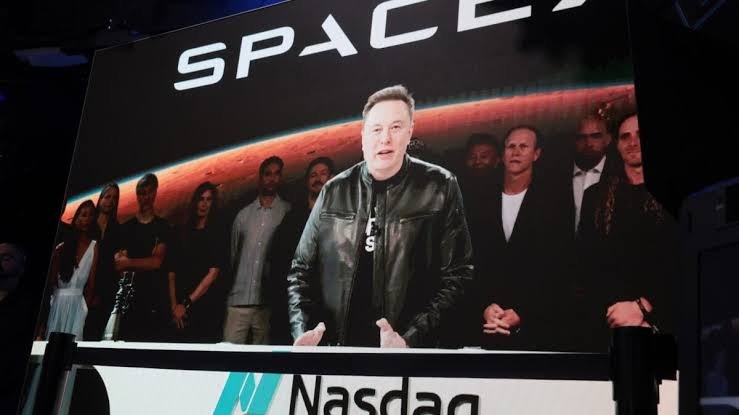
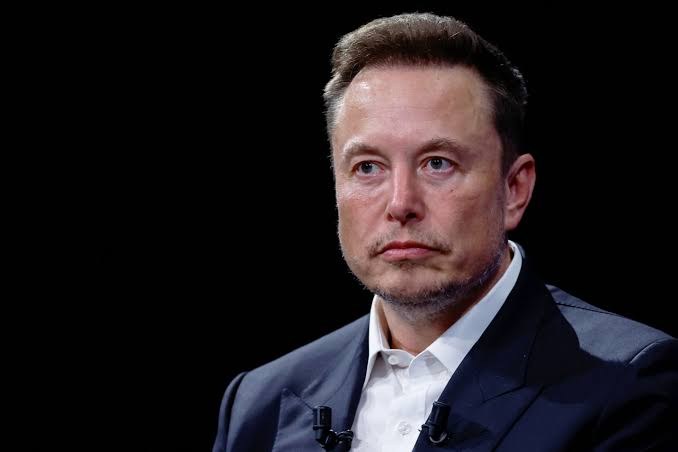
SpaceX made its public market debut Friday, and the wider space sector paid the price. The Elon Musk-led company opened at $150 a share after pricing at $135 in the largest public offering on record, raising $75 billion. But the rest of the space industry went the other way: sharply down.
Shares of Redwire, Satellogic, and AST SpaceMobile each fell more than 11%. EchoStar and Rocket Lab dropped 10%. The Procure Space ETF, a widely held proxy for the sector, declined 7%, erasing its gains from Thursday. Virgin Galactic tumbled 31%, giving back a 23% gain from the prior session.
THE SECTOR SHARE OUT
The pattern is not hard to read.
SpaceX is the biggest name in space now, and its debut has soaked up investor attention and capital that used to flow to smaller players. When a company the size of SpaceX opens at a $2.5 trillion valuation (Oppenheimer's price target of $190 implies that round number) it crowds out the rest of the room. The numbers are stark: a 31% single-day rout for Virgin Galactic, whose shares have been volatile as short sellers pile in.
Virgin Galactic's 23% gain Thursday and 31% loss Friday is the kind of whipsaw that suggests momentum traders and hedge funds are both using the stock as a vehicle, not as a long-term bet. Friday's decline suggests the bears got their day.
WALLSTREET & GALATIC
Oppenheimer analysts initiated coverage of SpaceX with an Outperform rating and a $190 price target, implying roughly 40% upside from the IPO price and valuing the firm at $2.5 trillion. The analysts see growing opportunities in satellite connectivity and in deploying AI data centers in orbit, using solar power to run equipment while reducing the need for cooling technologies linked to terrestrial facilities.
That thesis is the same one supporting many of the smaller space stocks that got crushed Friday. The difference is scale and execution. Smaller players like AST SpaceMobile and Redwire are betting on niche applications, but their market caps are dwarfed by SpaceX's $2.5 trillion valuation.
Virgin Galactic's 31% drop is the hardest to explain away as sector rotation. Shares have been volatile amid short sellers piling into the stock.
SUPPLY SIDE
One big unknown is whether the sector-wide decline will persist.
The first day of SpaceX trading was always going to draw capital away from other names, but a single day does not make a trend. If SpaceX stabilizes and starts climbing, it could lift the whole sector with it, the way a rising tech giant lifts the Nasdaq. If it slides, it could drag everything down further.
The more structural question is what SpaceX's public valuation does to the M&A market. A $2.5 trillion company can buy almost any of the smaller players out of pocket change. A beaten-down Rocket Lab or a struggling AST SpaceMobile could look like an interesting bolt-on, depending on how Monday's trading goes.
For now, the market delivered a clear verdict: SpaceX is the only space stock most investors want to own, and the rest of the sector needs to earn its keep in a different way than it did before Friday. The public debut has put renewed focus on the space industry, but the focus is mostly on the one company that just raised $75 billion.
what did you make of it?
more from space
space
SPACEX ABORTS STARTSHIP FLIGTH 13 AFTER ENGINES FAIL TO IGNITE
An automatic abort kicked in when some Raptor engines on the Super Heavy booster didn't light; two engines will be replaced before the next try.
space
FFC APPROVES SPACE MIRROR: REAL ISSUE IS THE OTHER MILLION SATELLITES
Reflect Orbital gets a license to test sunlight reflection, while SpaceX files for 40 times as many satellites as have ever been launched.
space
ISPACE BUYS 500KG OF PAYLOAD SPACE ON LUNAR LANDER STARSHIP
The Japanese firm will develop a rover to deliver customer payloads up to a few kilometers across the lunar surface, targeting a 2030 launch.
space
ASTRONOMERS SAY 1.7MN SATELLITES WOULD DESTROY GROUND BASED ASTRONOMY
A new ESO study calculates that proposed megaconstellations would make large telescope images unusable for hours each night.