ISPACE BUYS 500KG OF PAYLOAD SPACE ON LUNAR LANDER STARSHIP
The Japanese firm will develop a rover to deliver customer payloads up to a few kilometers across the lunar surface, targeting a 2030 launch.
by editor2 min readcomments soon
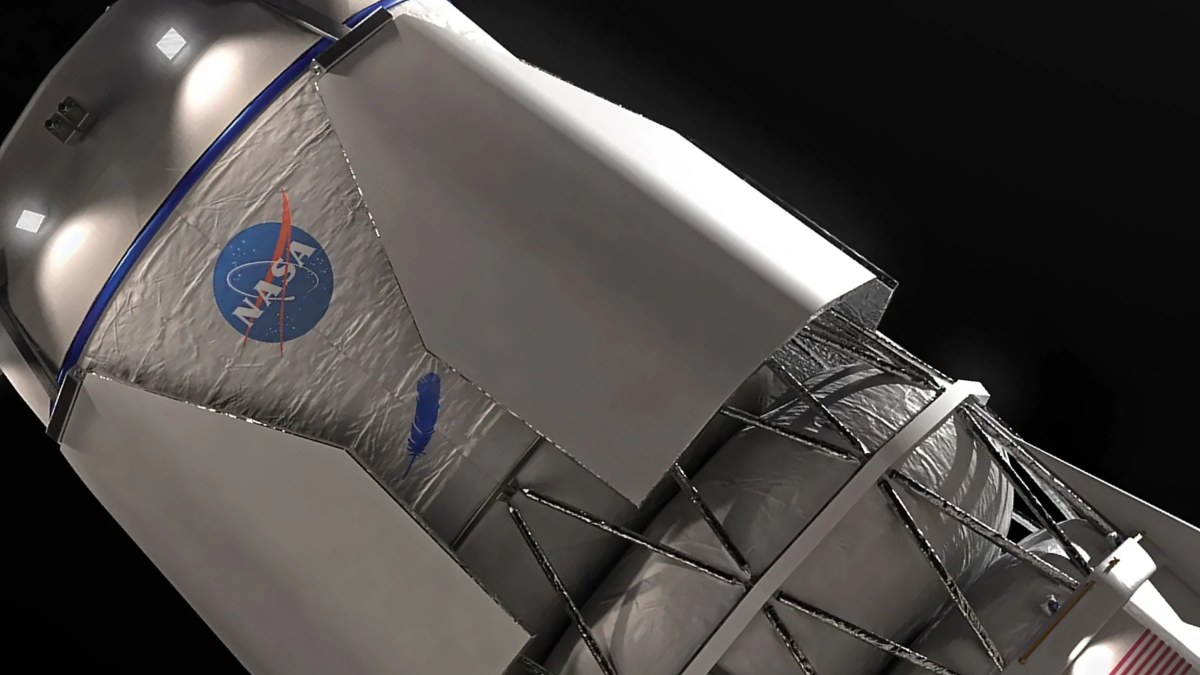
ispace has purchased 500 kilograms of payload capacity on a future SpaceX Starship lunar lander mission. The company announced the deal July 8 at a briefing held alongside the Spacetide conference, framing it as part of its evolution from a lander builder into a
The payload space buys ispace a spot on a Starship mission scheduled no earlier than 2030. What ispace plans to fly is a Mobile Cargo System rover it will develop in-house, designed to carry customer payloads from the Starship landing site up to a few kilometres away.

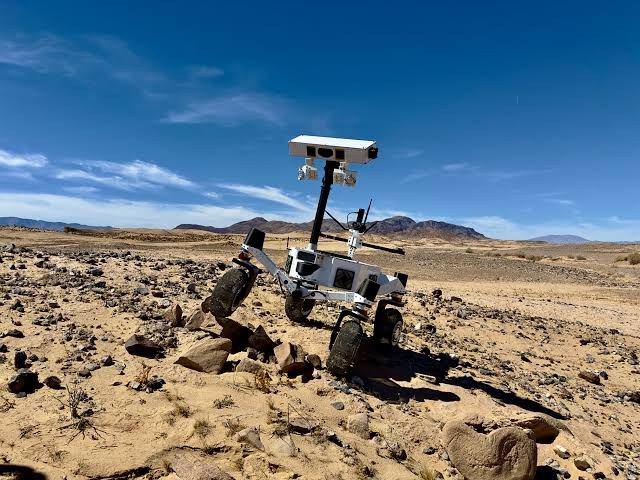

The company will handle payload integration on the ground before launch and all operations after landing. Financial terms were not disclosed.
THE ROVER APPROACH
The Mobile Cargo System is a rover, not a lander. It will deliver up to several hundred kilograms of customer payloads from the Starship landing site across the lunar surface. ispace will handle ground integration before launch and operations after landing.
THE INTEGRATOR MODEL
ispace's pitch is that it now provides end-to-end logistics that stops short of building the rocket.
The company described the contract as part of its evolution beyond traditional lander development into a In practice, ispace assumes responsibility for payload integration on Earth and all operations after landing, while the heavy lifting to the moon is contracted to SpaceX. High-capacity, relatively low-cost lunar transport, such as that provided by Starship, is essential to realising the sustainable lunar economy that ispace aims to create.
2030 is the target date, and it is carrying a lot of weight. This is a long-term bet, not an immediate pivot. Financial terms were not disclosed.
THE BIGGER PICTURE
Lunar infrastructure is a pyramid scheme in its early stages. You need cheap transportation before you can have a surface economy, and you need a surface economy before you can justify cheap transportation. ispace is betting that Starship breaks that chicken-and-egg cycle.
If the cost of getting a kilogram to the moon falls significantly, there is suddenly a market for services like rover delivery, power generation, and resource extraction.



That is the sustainable lunar economy ispace says it is building toward. The 500-kilogram payload block is a reservation for a seat on the train. Whether the train arrives on time is the whole question.
what did you make of it?
more from space
space
SPACEX ABORTS STARTSHIP FLIGTH 13 AFTER ENGINES FAIL TO IGNITE
An automatic abort kicked in when some Raptor engines on the Super Heavy booster didn't light; two engines will be replaced before the next try.
space
FFC APPROVES SPACE MIRROR: REAL ISSUE IS THE OTHER MILLION SATELLITES
Reflect Orbital gets a license to test sunlight reflection, while SpaceX files for 40 times as many satellites as have ever been launched.
space
ASTRONOMERS SAY 1.7MN SATELLITES WOULD DESTROY GROUND BASED ASTRONOMY
A new ESO study calculates that proposed megaconstellations would make large telescope images unusable for hours each night.
space
JWST SPIES A WARM HAZY JUPITER ORBITING A DEAD STAR
Astronomers have measured the atmosphere of a planet orbiting a white dwarf for the first time, and it is surprisingly warm and full of methane.