ZOOX REALLS ENTURE ROBOTAXI FLEET OVER SMOKE DETECTION FAILURE
A robotaxi drove into an active fire scene obscured by smoke. NHTSA called emergency scenes not edge cases.
by editor6 min readcomments soon
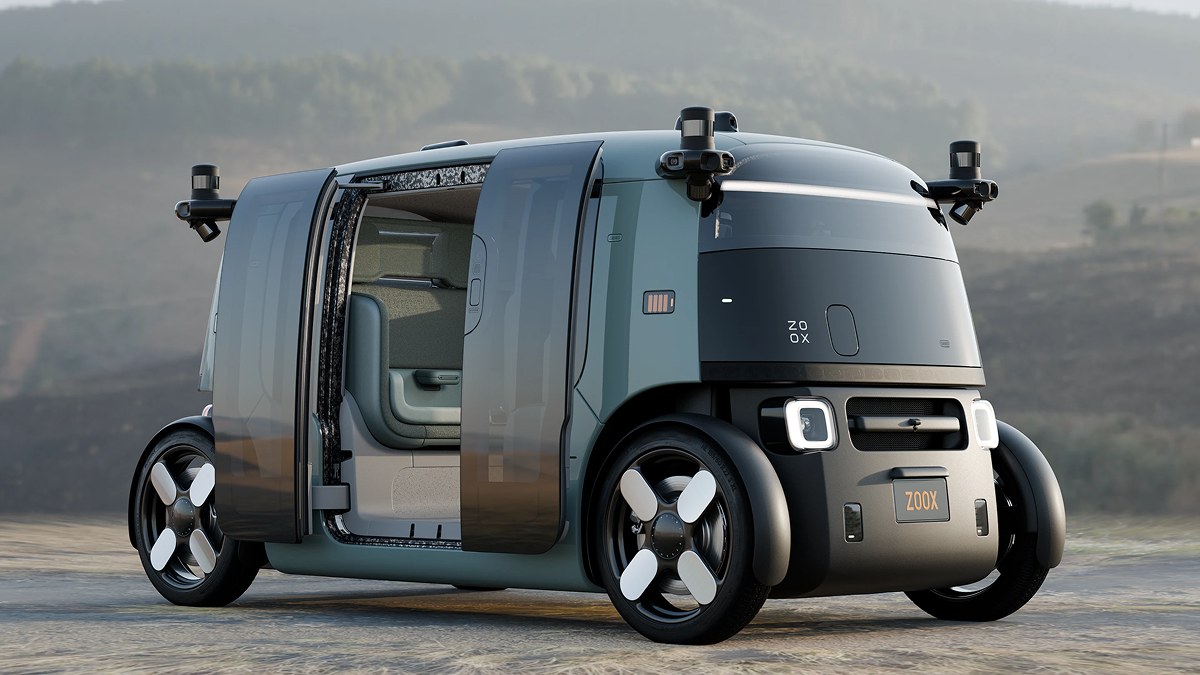
Zoox recalled software across its entire fleet of 105 robotaxis because the vehicles may fail to detect and respond to heavy smoke. The voluntary recall, filed with NHTSA on July 7, was triggered by a single incident on June 20 in Las Vegas: an unoccupied Zoox robotaxi approached an active fire scene that was obscured by heavy smoke and not yet cordoned off with traffic cones.
The vehicle entered the scene, braked hard while trying to steer away, then came to a stop. A remote operator guided it in reverse and out of the area, allowing first responders to place traffic cones. Zoox implemented a temporary fix after the recall that strengthened operational measures to avoid driving near active fire emergency scenes, and has since released a software update to all affected vehicles operating on public roads.
The recall came just before regulators publicly warned the industry about a broader pattern of driverless cars interfering with emergency responders. On July 8, NHTSA Administrator Jonathan Morrison sent a letter to autonomous-vehicle companies calling on them to address the problem. He wrote that the inability to detect and appropriately respond to emergencies represents a functional insufficiency.
"Emergency scenes are not rare or extreme ‘edge cases.’ As such, NHTSA is today issuing a call to action for AV developers and operators to immediately focus their resources on fixing this issue."
That letter was not subtle. Morrison made clear that emergency scenes are not rare or extreme events, and demanded immediate focus from AV developers. The timing underscored the seriousness: one day after Zoox filed its recall, the agency went public with a warning that applies to every company testing driverless vehicles on public roads.
THE INICEDENT
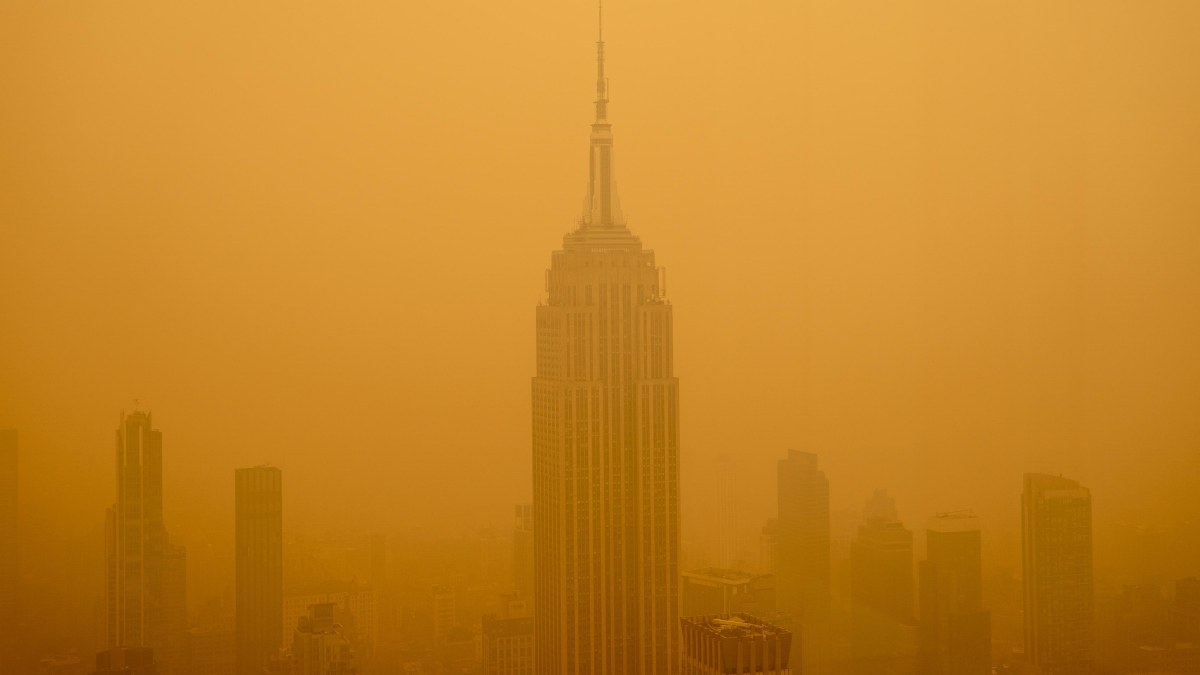
The June 20 incident happened in Las Vegas. The Zoox vehicle encountered an active fire scene obscured by heavy smoke before traffic cones had been placed. The car moved into the scene, then braked hard and steered away, eventually stopping. A remote operator took over, backed the vehicle out, and let first responders block the area.
The failure mode is straightforward: the software did not recognise the smoke as an obstacle or danger in time to avoid entering the scene. It detected something, braked and steered, but only after it was already inside the perimeter. That delay is the functional insufficiency Morrison referenced.
Zoox's fix has two layers. The temporary measure strengthened operational protocols to keep vehicles away from active fire scenes. The subsequent software update changed the detection logic permanently.
THIS IS NOT THE FIRST RECALL
This is not Zoox's first recall. Over the past year, the company has issued several for unexpected hard braking, lane-crossing issues, and failing to predict the movement of nearby vehicles accurately. Each recall is its own small event, but together they form a cumulative record of edge cases the software still struggles with.
And Zoox is not alone. Robotaxis across the industry have had recalls for how they navigate construction zones, flooded roads, and stopped school buses. The common thread is that autonomous vehicles, even the most advanced ones, still hit scenarios that training data and simulation do not fully cover. Emergency scenes are the hardest version of this problem because they are dynamic, unpredictable, and involve human responders who need space and predictability from road users.
Morrison's letter was addressed to the whole sector. It said the industry has known about this challenge for years and needs to fix it now. The implication is that NHTSA is losing patience with incremental improvements in basic safety-critical behaviours.
ZOOX'S AMBITION
Amazon acquired Zoox in 2020 for about $1.3 billion. Since then, the company has started offering free rides in parts of Las Vegas and San Francisco, and has begun testing in Austin and Miami. Last month, Zoox showed off an updated version of its robotaxi, which it described as the "next evolution" of the vehicle, and plans to put it into large-scale production.
The Zoox vehicle is distinctive in two ways. It has no traditional controls like a steering wheel or pedals, because it is built around riders, not drivers. And it looks like a boxy toaster on wheels, which makes it easy to spot. But that toaster is still waiting on NHTSA approval to deploy commercially without safety drivers. The agency's letter is a warning that the bar for approval includes properly handling emergency scenes.
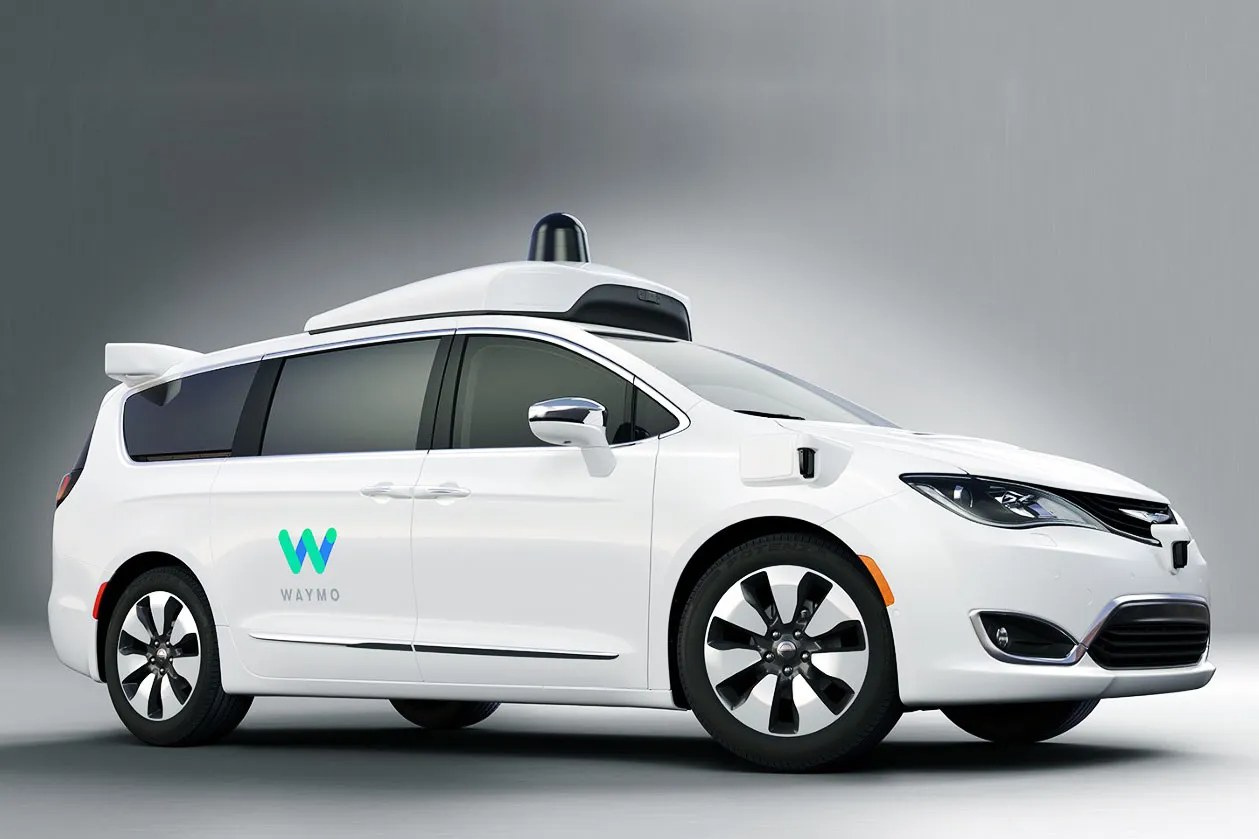
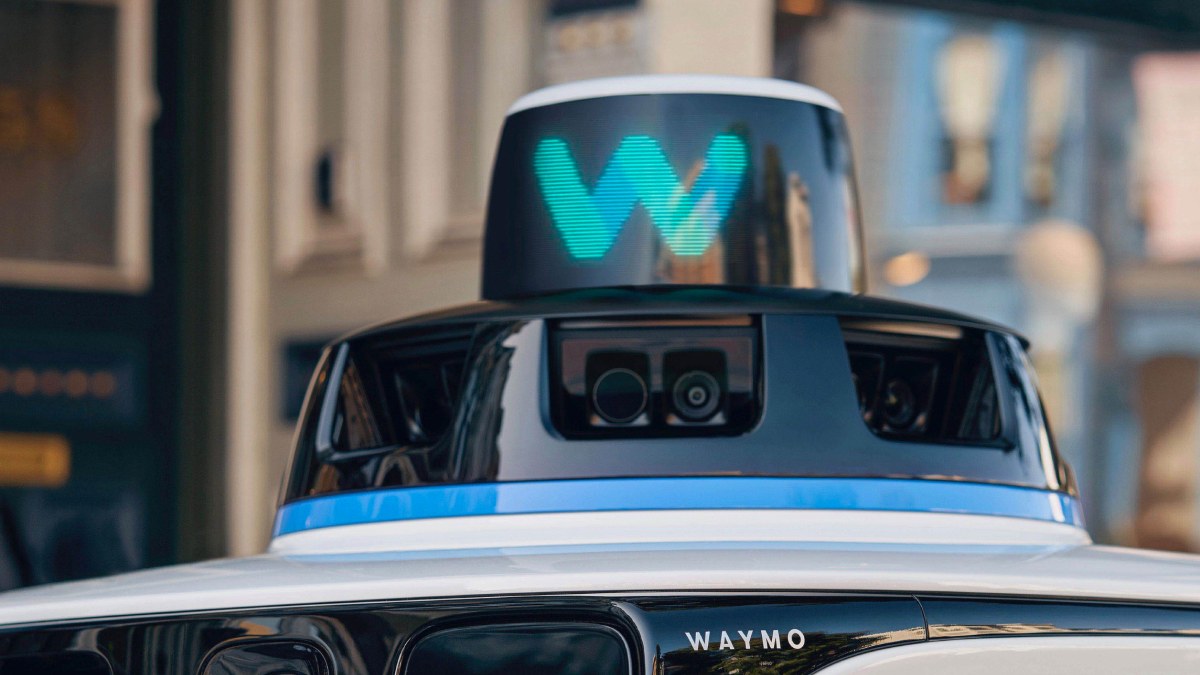
The robotaxi market is currently dominated by Alphabet's Waymo, which operates a larger fleet across several cities. Zoox has a much smaller presence and a limited track record. Every recall matters more when you are trying to convince regulators and the public that your vehicle is ready for broader deployment.
WHAT THIS SAYS ABOUT THE INDUSTRY
The incident happened in Las Vegas, a city where autonomous vehicle testing is common and where first responders have experience interacting with driverless cars. Even in that environment, the robotaxi did not know what to do with smoke. It took a remote operator to resolve the situation.
The hard truth is that autonomy still fails in scenarios that human drivers handle intuitively. A human approaching a fire scene obscured by smoke would slow down, look for signs of emergency vehicles, and almost certainly not drive into the smoke plume. The Zoox vehicle had none of that contextual reasoning. It entered, reacted late, and needed a human on the other end of a teleoperation link to fix it.
That teleoperation capability is part of Zoox's system, and it worked. But it relies on a human being available and having enough time to assess the situation before the vehicle does something dangerous. In this case, the human intervened after the vehicle stopped itself. The next time, if the vehicle does not stop in time, the outcome could be worse.
NHTSA's letter effectively says the industry has been treating emergency scenes as corner cases when they are not. Fire trucks, ambulances, and police operations happen on public roads every day. An autonomous vehicle that cannot handle them safely is not ready. Zoox's recall acknowledges that gap, and the software update is a patch. Whether it closes the gap for good depends on what the next fire scene looks like.
what did you make of it?
more from ai
ai
TSMC ADDS $100 BILLION TO ARIZONA CHIP BET, TOTAL HITS $265 BILLION
The additional investment will build at least four more 2nm fabs and advanced packaging, bringing the company's total US commitment to $265 billion.
ai
META WILL ALERT PARENTS IF TEENS DISCUSS SUICIDE WITH META AI
The opt-in feature flags self-harm references in chatbot conversations, with human review before any notification is sent.
ai
ROBLOX'S "BUILD" LETS ANYONE MAKE A GAME FROM THEIR PHONE WITH AI
The new toolset, launching July 28, turns text prompts into playable experiences and puts game creation on iPhone and iPad.
ai
1PASSWORD LETS CLAUDE USE YOUR PASSWORD WITHOUT EVER SHOWING THEM
A new zero-exposure framework injects credentials through a channel the AI cannot see, breaking the agent security paradox.