SPACEX DEMOED AN AI GADGET, MUSK CALLS REPORT "UTTERLY FALSE"
The Wall Street Journal says the company pitched a handheld device to investors before its IPO. Elon Musk says the story is wrong.
by editor4 min readcomments soon
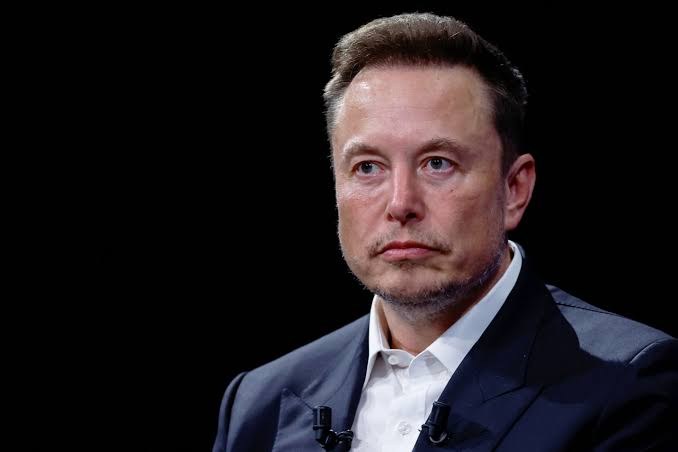
Ahead of its IPO, SpaceX reportedly showed investors a handheld AI device. The gadget, according to the Wall Street Journal, is slimmer than an iPhone, runs on a Qualcomm Snapdragon chip and a proprietary operating system, and is deeply integrated with xAI's assistant Grok.
Elon Musk responded to the report on X in two words: "utterly false". That is the full statement. Musk did not elaborate on which part of the Journal's account is false: the existence of the device, the demo to investors, or the specifics of its hardware. The denial did not answer the question that the report raised. Why would a rocket company build a phone?
THE DEVICE, AS DESCRIBED
The object at the centre of the story is a handheld device running its own operating system, powered by a Snapdragon chip, and designed to give users a direct line to Grok without going through an app store. The Journal says SpaceX demonstrated it to investors in private briefings tied to the company's preparations for an initial public offering. The form factor, notably thin, puts it in the same physical territory as a typical smartphone, but the absence of a third-party OS suggests SpaceX wants full control over the software experience.
Integration with Grok is the obvious selling point. Right now Grok is accessible through the web, the X app, or a standalone app on phones. Those distribution channels are functional, but they come with strings. A subscription sold inside the iPhone app has to share a cut with Apple, and any feature that relies on push notifications, background processing, or hardware sensors is subject to whatever rules the platform owner decides to enforce. A first-party device eliminates all of that. SpaceX would own the full stack from silicon to satellite connection.
THE APP STORE CALCULUS
The decision to build a dedicated device, if real, is hard to understand without looking at the App Store economics. SpaceX is already at the mercy of platform rules for any service it wants to deliver through a phone. In July 2025, the company partnered with T-Mobile to offer access to the Starlink satellite network on standard smartphones. That partnership gives SpaceX a distribution path for voice, text, and basic data, but it does not solve the revenue-share problem. Any paid subscription SpaceX sells through an iPhone, whether for Starlink or Grok, loses a percentage to Apple under standard App Store policy.
A first-party device with an embedded eSIM and direct satellite connectivity would let SpaceX bypass that tax entirely. The difference is that SpaceX has something no other device maker has: a satellite network that covers the entire planet. Starlink's direct-to-cell capability is still in its early phases, but a SpaceX-branded phone or AI gadget that includes satellite connectivity out of the box would be a genuinely unique product.
MUSK'S POSITION
There is a complication.
Musk has been on the record as not particularly enthusiastic about the idea of making a mobile device. The WSJ report therefore lands in an awkward spot. If it is accurate, Musk either changed his mind or allowed the project to be shopped to investors despite personal reservations. If it is not accurate, the Journal's account includes specific technical details that are unlikely to surface without insider input.
It is entirely possible that the device was shown off to excite investors rather than signal some new direction for the company. IPO roadshows are full of product demos that never ship. A concept device that demonstrates the company's ability to think beyond rockets can generate buzz without ever appearing on a store shelf. That interpretation aligns with Musk's denial: the device exists as a prop or an exploration, but presenting it as a planned product or as evidence of an AI hardware division would indeed be false.
WHAT HAPPENS NEXT
No public timeline exists for a SpaceX consumer device. The fact that the denial came from the CEO himself means any internal project will either be killed or forced to run far more quietly until it is ready to ship. Investors who saw the demo are unlikely to forget it, though. A SpaceX-made device that bundles Starlink connectivity with Grok AI is the kind of narrative that sticks in the minds of fund managers who want to hear about platform control and vertical integration.
what did you make of it?
more from consumer tech
consumer tech
GOOGLE ADDS YOUTUBE MUSIC, INSTACART & CANVA TO AI MODE SEARCH
Starting this week, US users can ask AI Mode to make a playlist, fill a grocery cart, or design a flyer without leaving the search…
consumer tech
ONEPLUS DEAD IN THE WEST, OPPO OVERLORDS PULL PLUG
The brand that built its reputation on has settled for leaving its biggest markets. Existing phones still work. New ones won't come.
consumer tech
GOOGLE PIXEL 10 PRO DROPS TO 699, BEST DEAL YET!
A $300 discount on the 128GB model undercuts Prime Day pricing and signals a clear runway to the pixel 11 launch.
consumer tech
APPLE RAISES APPLE ON BUNDLE FOR FAMILY AND PERMIER PLANS
the Family plan jumps $2 to $27.95 a month and the Premier to $39.95; Apple hasn’t explained the bundle increase beyond citing music licensing for…