XAI REBRANDS TO SPACEXAI AFTER RECORD IPO AND IMMEDIATE PIVOT
The handle flipped on Monday, completing the absorption of Musk’s ai startup into the space company that just raised $75 billion.
by editor4 min readcomments soon
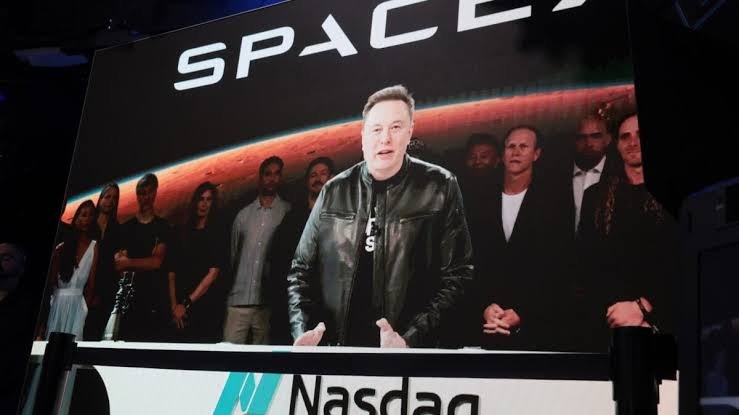
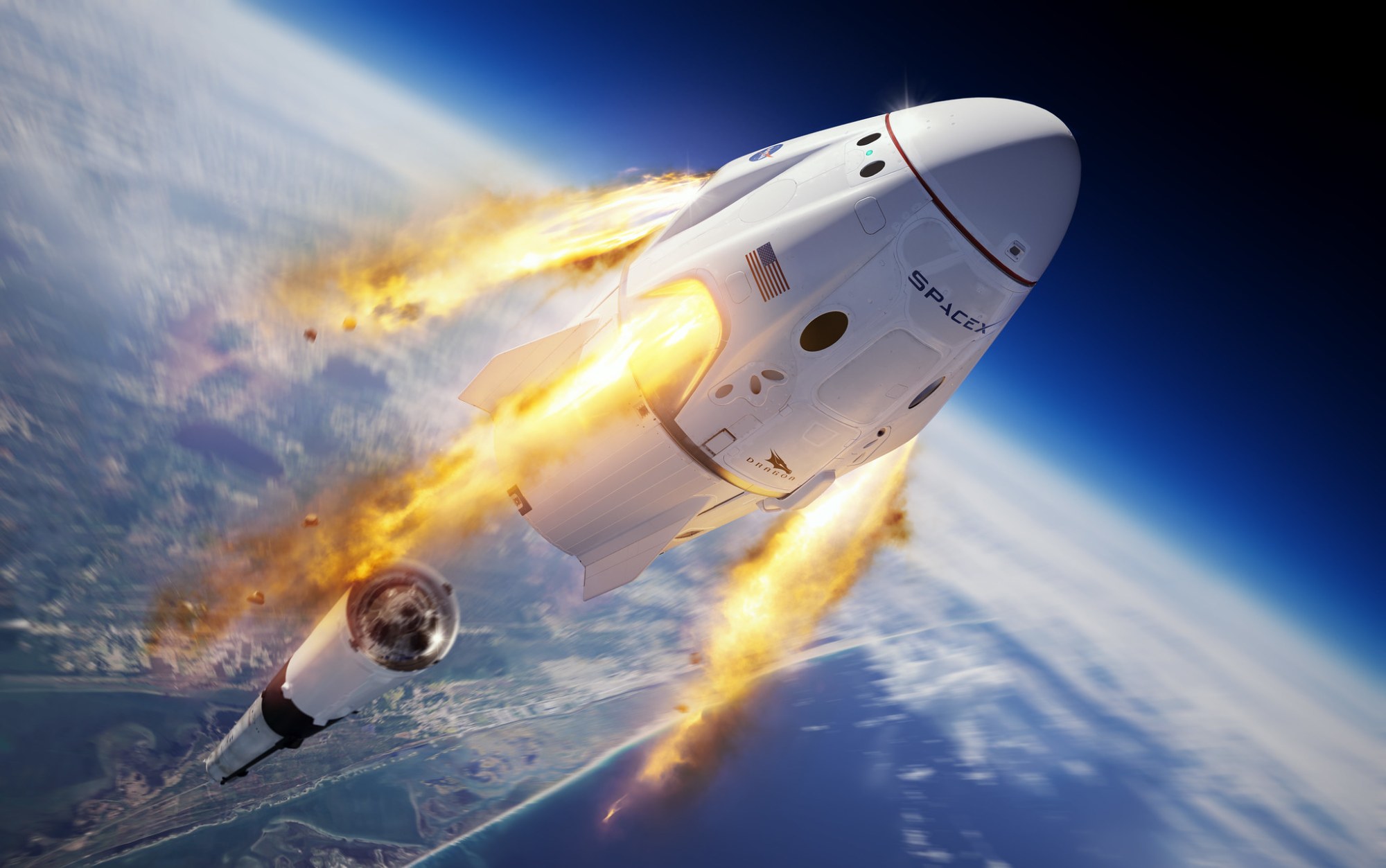
xAI is dead. Long live SpaceXAI. The account handle switched on Monday with a simple message: "We are now @SpaceXAI." The rebrand caps a chain of events that began earlier this year when SpaceX pulled off the largest public offering in history, raising $75 billion at a valuation of roughly $1.77 trillion, and then used some of that capital to absorb xAI.
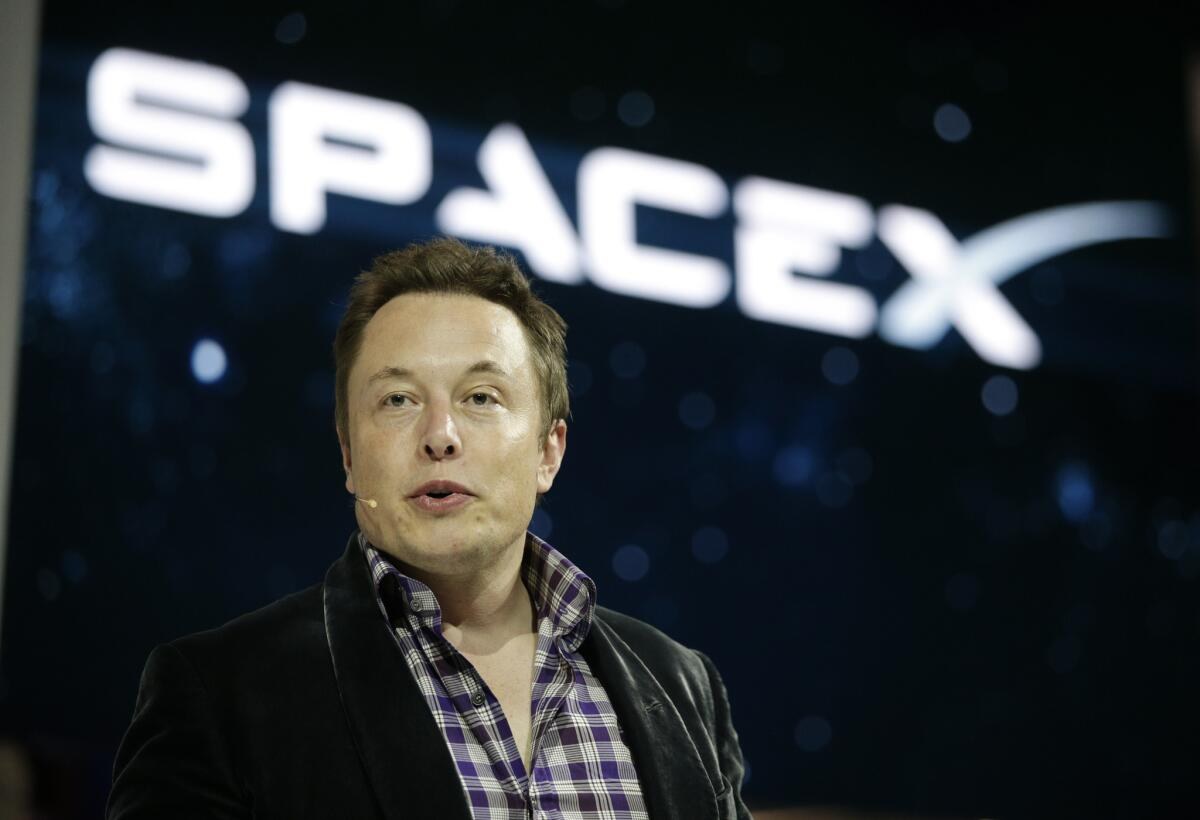
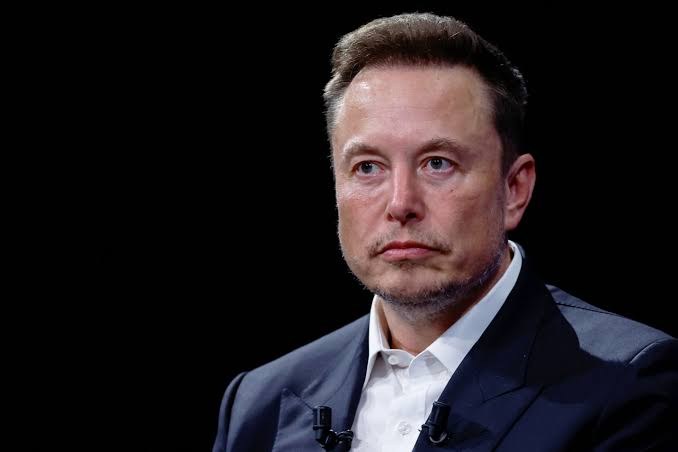
Musk had already telegraphed the move. He said previously that xAI would be dissolved and folded into SpaceX. The acquisition in February brought xAI’s flagship chatbot Grok and the X platform under the parent company’s roof. Now the brand is gone too, replaced by a name that makes the strategic logic explicit: the same company that launches rockets and runs Starlink is going to bet its future on artificial intelligence.
THE NUMBERS BEHIND THE PIVOT
The scale of that bet is hard to overstate. SpaceX spent $12.7 billion on AI capital expenditures in 2025, more than three times what it spent on its space and connectivity segments combined. For context, that single line item is larger than the entire market cap of many publicly traded AI companies. And it was spent at a division that is, by the company’s own admission, a net loss today.
SpaceX does not seem bothered by the red ink. The company has said the AI segment’s total addressable market is "in human history", which is a phrase companies usually deploy when they are about to spend a truly irresponsible amount of money on compute. In SpaceX’s case, the spend is at least defensible: it already operates the Colossus data centres, and it built that infrastructure while also flying payloads to orbit, which is not a skill set most hyperscalers can claim.
THE COMPUTE SATELLITE GAMBLE
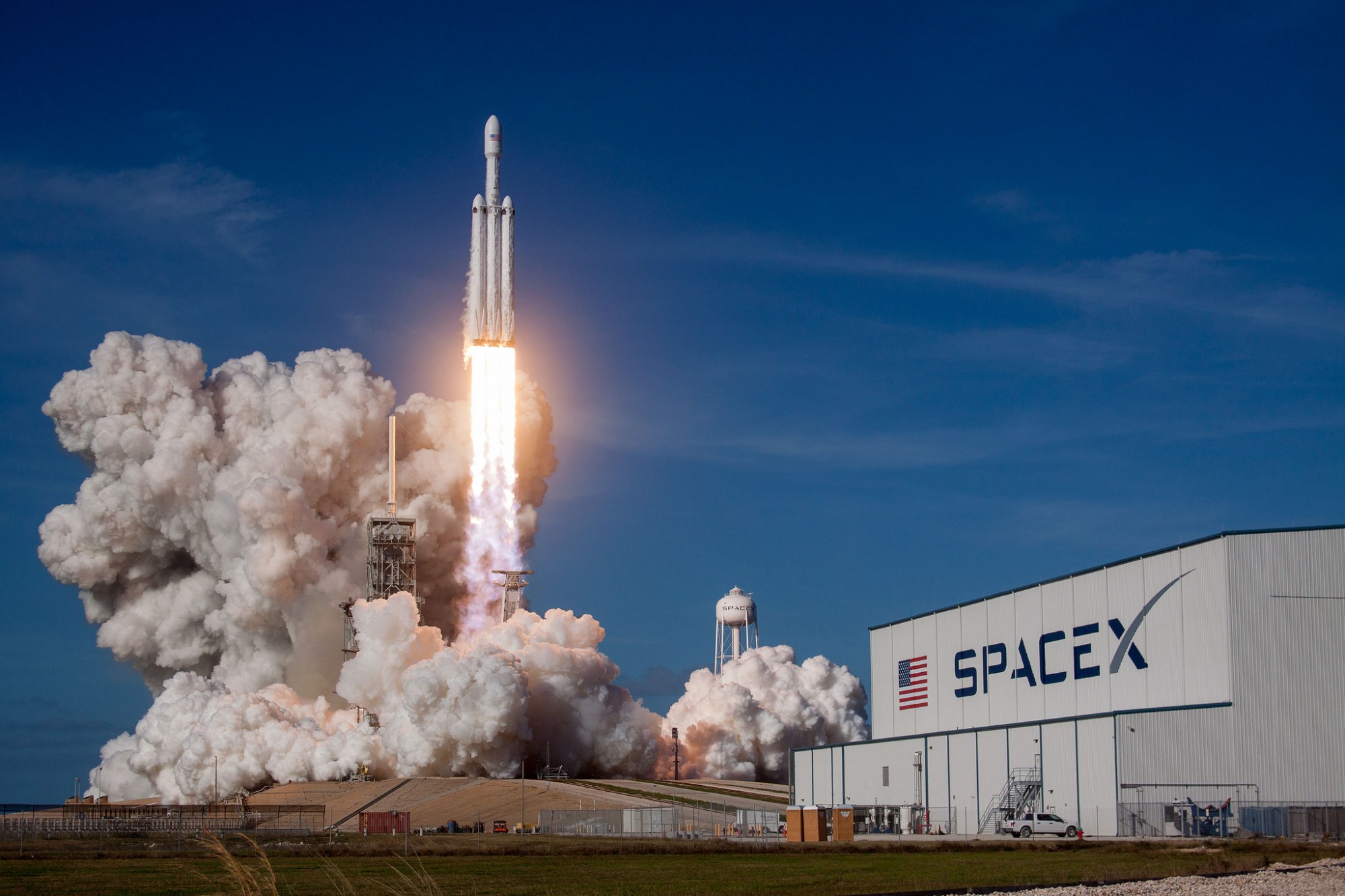
The most audacious piece of the plan involves putting compute in orbit. SpaceX has said it plans to deploy "AI compute satellites" as early as 2028. The idea is to host AI inference workloads in space, leveraging the company’s launch cadence and Starlink’s low-latency network to offer compute where terrestrial data centres cannot reach. The engineering challenges are formidable: radiation hardening, thermal management, and latency that is fundamentally higher than ground-based fibre. But SpaceX has the launch capacity to build such a constellation relatively cheaply, and the first-mover advantage in orbital compute could be huge if it materialises.
THE REVENUE THAT MAKES IT VIABLE TODAY
Before those satellites fly, SpaceX is already selling compute to the biggest nAIes in ai. Anthropic agreed to pay $1.25 billion a month for access to Colosseum centres. That monthly payment alone is $15 billion annually, enough to cover a meaningful chunk of SpaceX’s AI capex. Google is paying $920 million a month for similar access. Together, those two contracts alone bring in over $25 billion a year, before any revenue from SpaceX’s AI other AI services.
This flips the narrative. The ai segment may be a net loss overall, but the cash flow from these hyperscaler deals is enormous and growing. SpaceX is monetising centre buildout before the internal products (Grok, X, whatever comes next) have to prove their own economics. The subsidiary funds the parent company’s AI investment, not the other way around.
WHAT THE REBRAND ACTUALLY MEANS
Changing the name from xAI to SpaceXAI is cosmetic in one sense: the same team, same models, same data centres. But it is also a signal that Musk intends artificial intelligence to be a core business line of SpaceX, not a side project. The company that once defined itself by landing rockets is now defining itself by training large language models. That is a stunning shift that ten years ago was still struggling to reach orbit.
It also simplifies the narrative for investors. SpaceX is now a public company, and its AI ambitions are scrutinised in quarterly earnings calls. Having a clear brand that ties the AI work to the mothership makes it easier to sell the story: we build rockets, we fly Starlink, and we run the world’s most advanced compute clusters. One company, one stock, one vision.
THE RISK IS HUGE
The AI infrastructure buildout is capital-intensive, and the returns are uncertain. Competitors like OpenAI and Google are building their own clusters. The compute satellite plan is highly experimental and may never work at scale. And the regulatory environment for both rocket launches and AI data centres is tightening.
But SpaceX has a track record of betting big on things people said were impossible and winning. The rebrand to SpaceXAI is the clearest signal yet that the company’s next frontier is not Mars or the moon. It is the inference layer, and it is launching now.
what did you make of it?
more from ai
ai
TSMC ADDS $100 BILLION TO ARIZONA CHIP BET, TOTAL HITS $265 BILLION
The additional investment will build at least four more 2nm fabs and advanced packaging, bringing the company's total US commitment to $265 billion.
ai
META WILL ALERT PARENTS IF TEENS DISCUSS SUICIDE WITH META AI
The opt-in feature flags self-harm references in chatbot conversations, with human review before any notification is sent.
ai
ROBLOX'S "BUILD" LETS ANYONE MAKE A GAME FROM THEIR PHONE WITH AI
The new toolset, launching July 28, turns text prompts into playable experiences and puts game creation on iPhone and iPad.
ai
ZOOX REALLS ENTURE ROBOTAXI FLEET OVER SMOKE DETECTION FAILURE
A robotaxi drove into an active fire scene obscured by smoke. NHTSA called emergency scenes not edge cases.