ITS OFFICIAL, EARTH HAS ITS FIRST TRILLIONAIRE
SpaceX's stock debuted at $150 per share, valuing the company above $1.75 trillion and pushing Musk's net worth past $1.1 trillion.
by editor4 min readcomments soon
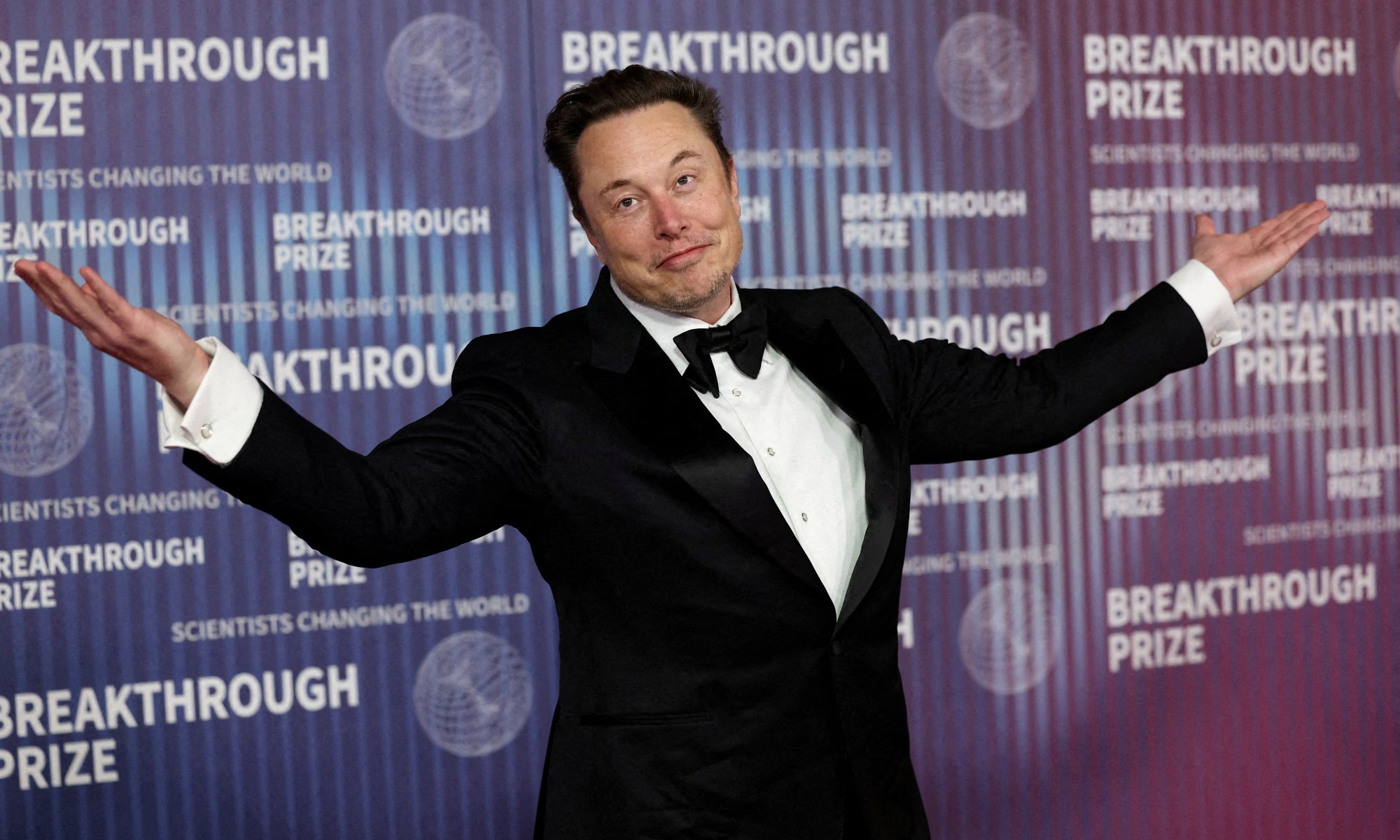
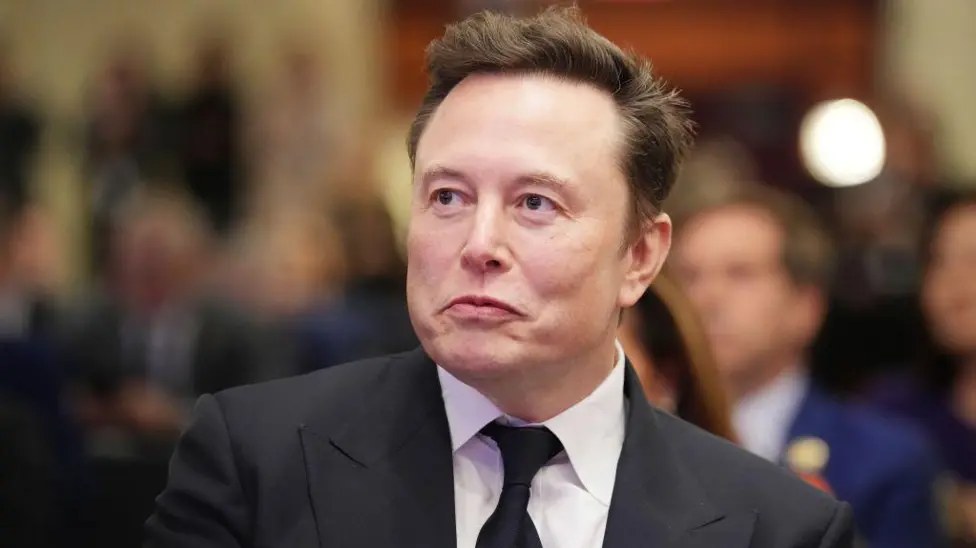
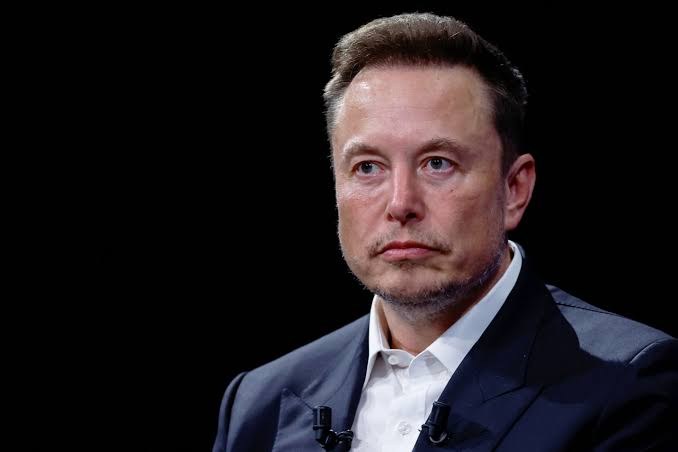
Elon Musk just crossed a number no living person has hit before. SpaceX’s IPO today valued the company above $1.75 trillion, and with the opening pop, Musk’s net worth blew past $1.1 trillion. That makes him the world’s first trillionaire.
SpaceX priced its shares at $135 on the Nasdaq, then opened trading at $150. Demand was ferocious: orders outstripped available shares by more than three times. The company raised $75 billion in the IPO itself, and derivatives markets had priced in a 35% jump from the opening price. Prediction markets put a 70% probability on the company hitting a $2 trillion market cap by the end of the day.
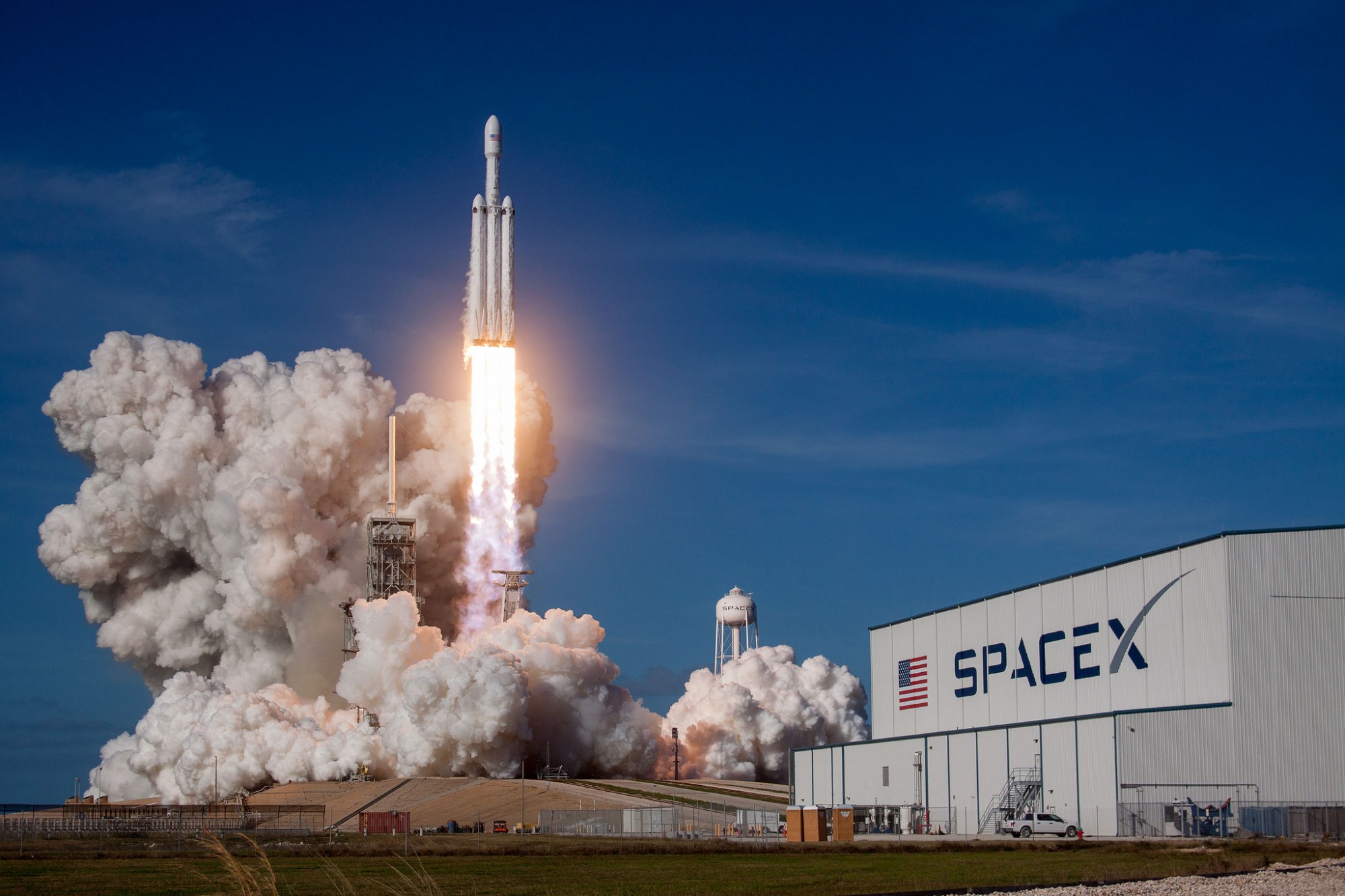
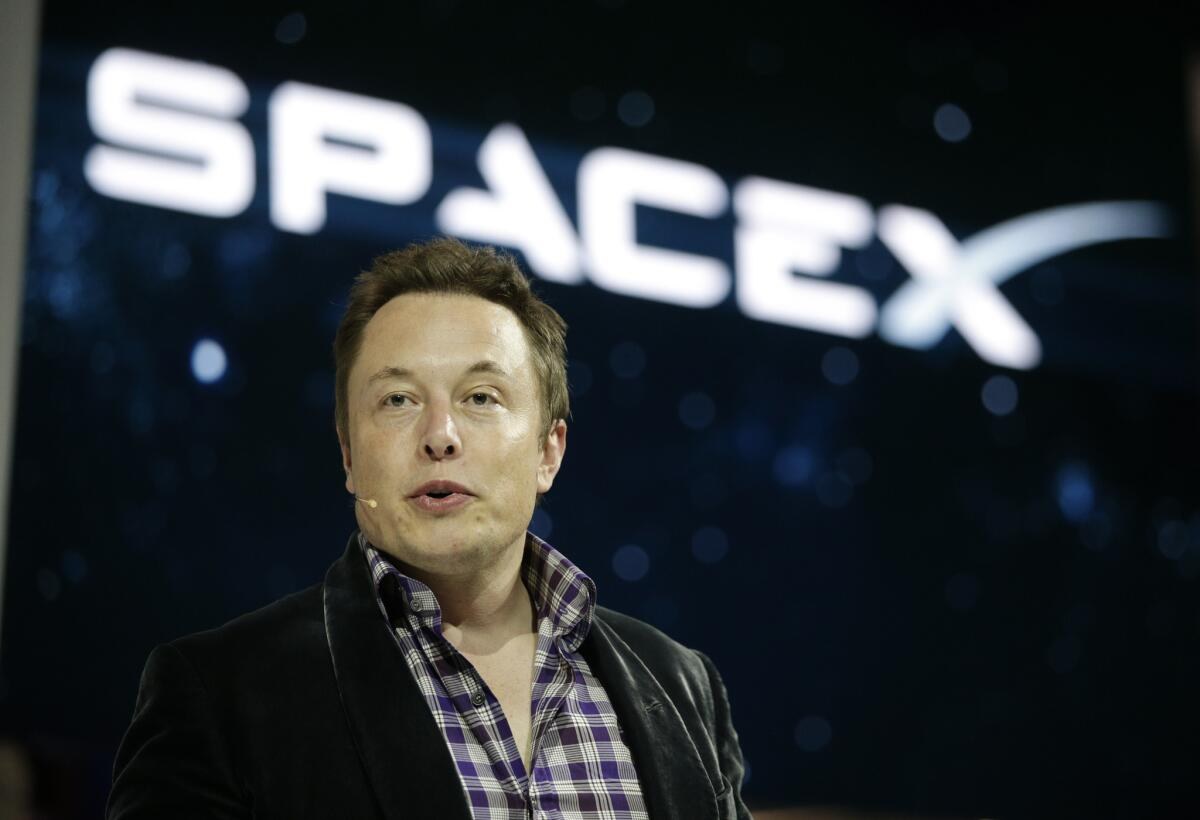
Those numbers are staggering, but they rest on an unusual foundation for a company that has never made a profit.
SPACEX HAS NEVER RECORDED NET PROFIT
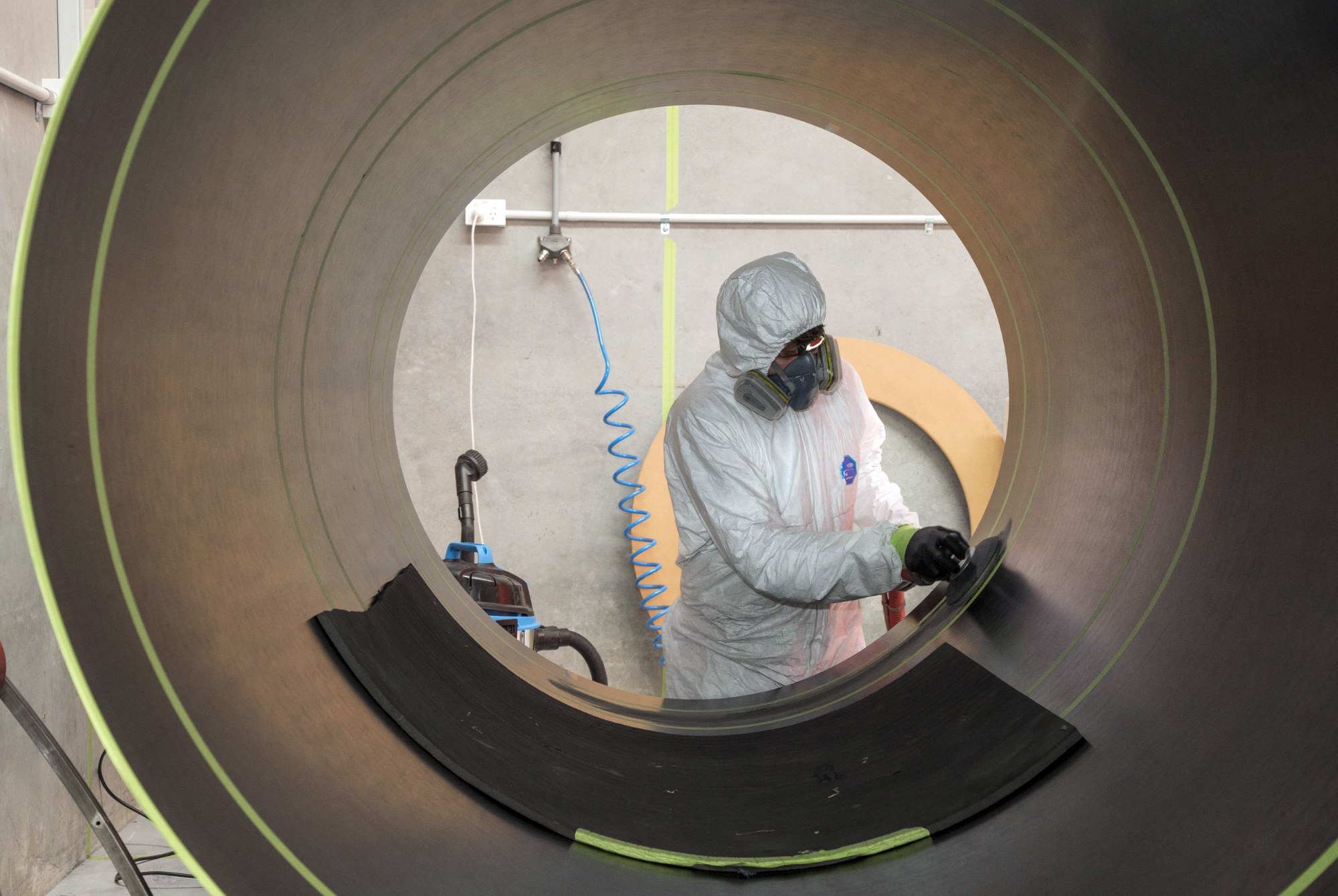
The fact set is clear on this: the company has been spending enormous sums on development (Starship, Starlink, the whole vertical-integration machine) and reinvesting every dollar of revenue back into the hardware. Revenues have grown rapidly, but profitability remains theoretical. That trades as a bet on the future rather than a reflection of current financials.
The stock market does not seem to care, the IPO was oversubscribed 3x. Institutions and retail buyers alike treated the offering like a zero-day lottery. The logic is straightforward: SpaceX owns the launch market for large payloads, has a growing satellite broadband business in Starlink, and is the only company with a realistic path to Mars. For investors who missed the private rounds, the IPO was the first chance to buy a piece of that story.
Whether that story holds up under public scrutiny is a different question. Public markets tend to punish narratives that lack near-term earnings, and SpaceX’s quarterly financials will now be filed for everyone to read. The margin pressure from Starship development alone could look ugly on a balance sheet.
THE TRILLIONAIRE THRESHOLD
Musk’s net worth above $1.1 trillion comes mostly from his equity stake in SpaceX and his holdings in Tesla. The exact split is not detailed in the fact set, but SpaceX’s valuation now dominates the calculation. Tesla’s market cap has fluctuated wildly in recent years, while SpaceX’s has risen steadily through private funding rounds. The IPO crystallizes that value publicly.
There is a symbolic weight to the trillionaire label, though the practical difference between $100 billion and $1 trillion is mostly about what kind of yacht you buy. Musk’s wealth has drawn intense political and social scrutiny, and the trillionaire milestone will amplify that. It also reframes the debate around wealth concentration: one person now holds more wealth than many countries' entire GDP.
WHAT THIS IPO SIGNALS FOR TECH
The most interesting ripple effect is not Musk’s net worth. It is the signal this sends to the AI giants: Anthropic and OpenAI are both expected to go public in the coming years. If a capital-intensive, profitless rocket company can pull off a $1.75 trillion valuation, the argument for similar valuations for AI firms with fast-growing revenues gets easier.
The fact set notes that SpaceX’s debut “looks to be a good sign for upcoming IPOs of the AI giants.” The core dynamic is the same: investors starved for high-growth opportunities in a low-yield environment will chase whatever narrative is most compelling. SpaceX’s narrative works because it is tangible (rockets fly, satellites beam data). Anthropic and OpenAI will need to show equally compelling unit economics, even if their product is software rather than hardware.
THE RISK NOBODY IS TALKING ABOUT
Public markets punish complexity.
SpaceX is one of the most complex companies ever built: a launch provider, a satellite operator, a deep-space architecture builder, and now a publicly traded entity that must answer to shareholders every quarter. The internal tension between the long-term Mars timeline and the quarterly earnings call is going to produce friction.
Elon Musk remains the controlling shareholder, and his attention is famously fractured. The IPO adds a layer of fiduciary obligation that SpaceX has never had. If the stock drops sharply, the pressure to deliver short-term results will pull against the aggressive R&D that got the company where it is.
For now, the euphoria is real, the first trillionaire has arrived, and he built the vehicle that got him there. But the hardest part of a rocket company is not the launch, it is the landing.
what did you make of it?
more from business
business
APPLE RECLAIMS WORLD MOST VALUABLE COMPANY TITLE, NVIDIA BOTTLES IT
apple overtook nvidia during friday trading, extending a 23% year‑to‑date surge as investors reward its ai agenda and light capital spending.
business
RYAN COHEN'S GAMESTOP PIVOT: GAMES ARE 18% OF REVENUE AND FALLING
GTA6 goes digital-only, Sony ends physical discs, and GameStop's CEO says that's fine because the company now sells toys.
business
NOTEBOOKLM NOW GEMINI NOTEBOOK, ADDS CLOUD CODE EXECUTION
The research tool originally known as Project Tailwind drops the LM and gains a secure cloud computer for data analysis.
business
TSMC FACES ITS HARDEST QUARTER YET AS AI DEMAND MEETS MARGIN SQUEEZE
Record revenue and eps gains aren't the whole story. the costs of building the world's most advanced chip factories are starting to show.