TSMC ADDS $100 BILLION TO ARIZONA CHIP BET, TOTAL HITS $265 BILLION
The additional investment will build at least four more 2nm fabs and advanced packaging, bringing the company's total US commitment to $265 billion.
by editor4 min readcomments soon
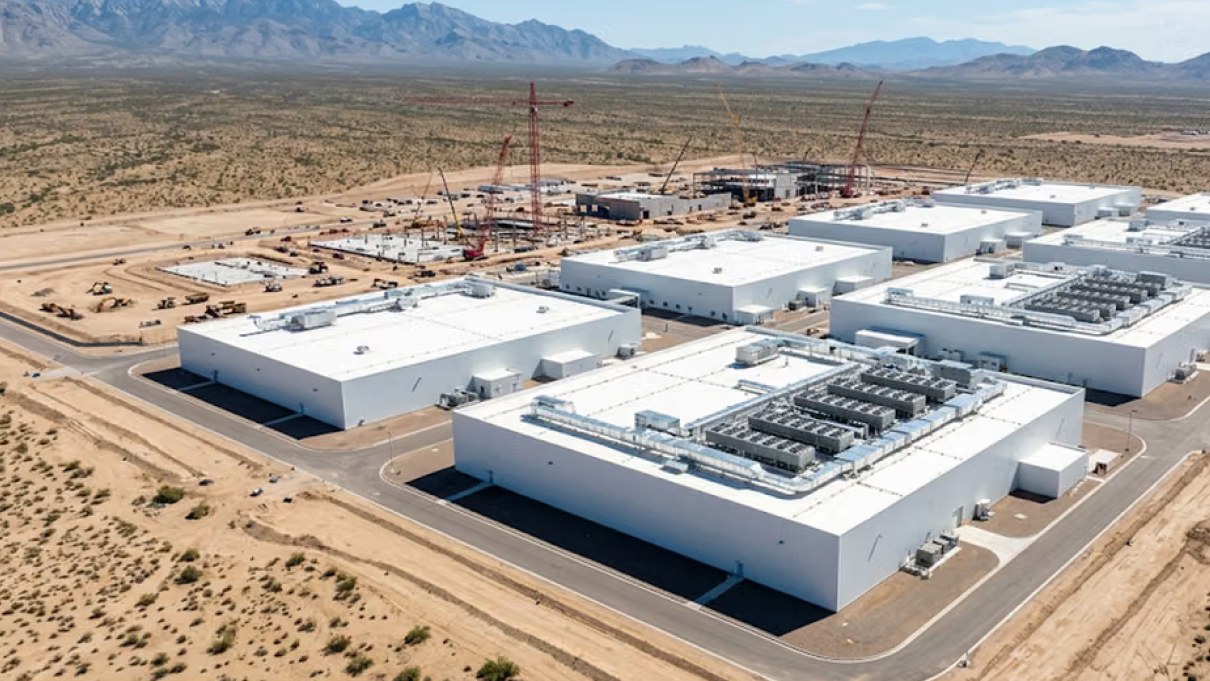
TSMC is committing another $100 billion to its Arizona operations, bringing its total pledge to US chip manufacturing to $265 billion. The new money will build at least four more 2nm fabs plus advanced packaging facilities, the company announced alongside its latest earnings call. CEO C. C. Wei said the expansion aims to "We believe this investment will help further to foster the development of the U.S. semiconductor ecosystem, strengthen the supply chain, and support an increasing number of high-tech, high-paying jobs in the United States".
The Commerce Department confirmed the plan, which adds to the $165 billion TSMC had already promised. Of that earlier sum, $65 billion was pledged during the Biden administration. The company now says 2026 capital expenditure could reach $64 billion, reflecting another quarter of record earnings and the conviction that AI demand is not a passing wave.

THE SCALE OF THE BET
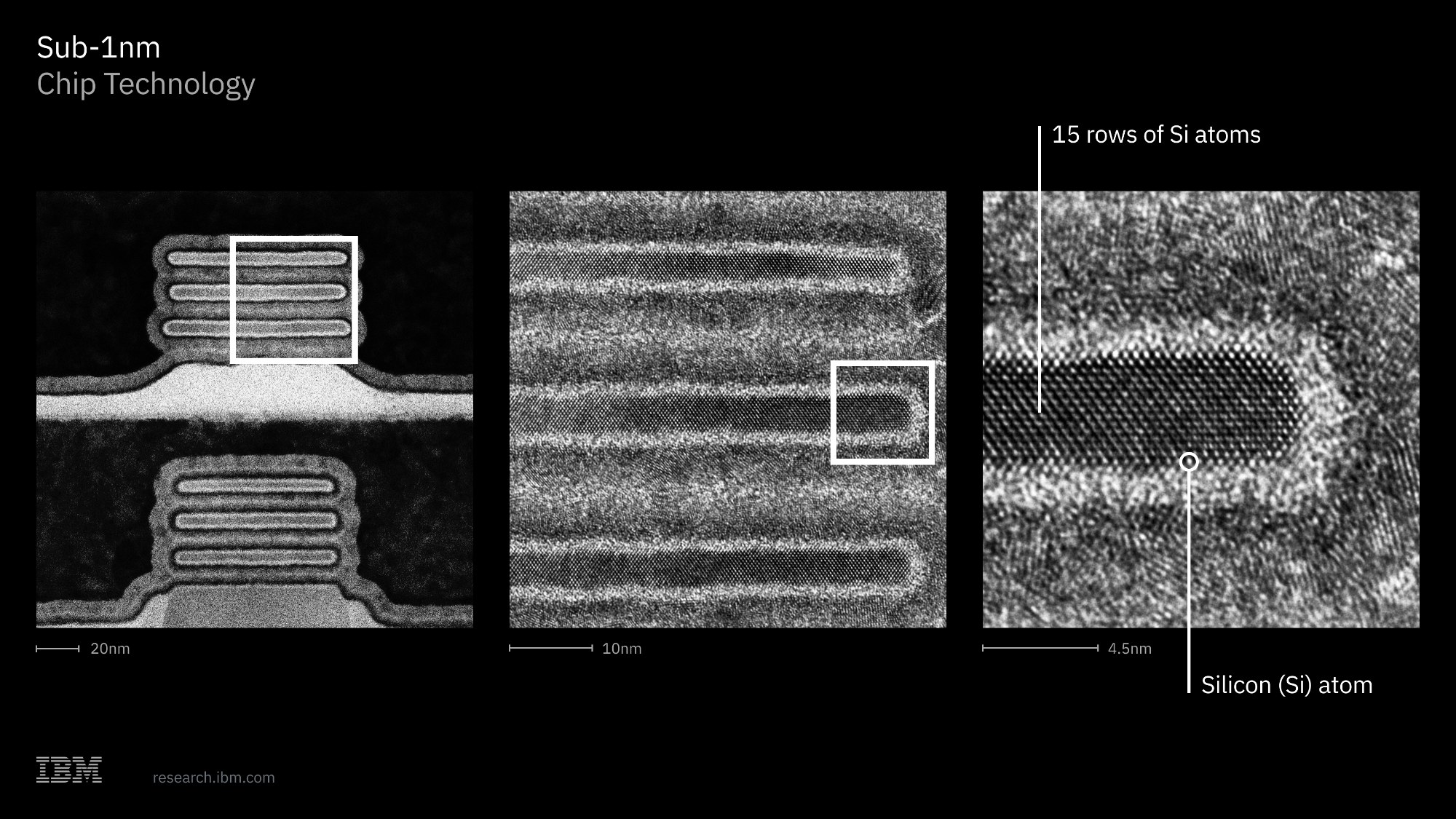
$265 billion is not a rounding error. It is more than the entire GDP of many countries and one of the largest corporate investment commitments in US history. The new $100 billion tranche specifically funds at least four additional chipmaking plants, all focused on the 2-nanometer manufacturing process. That node currently lives exclusively in Taiwan, where TSMC produces all its leading-edge products. Moving 2nm capacity to Arizona is a strategic shift that would have seemed implausible a few years ago.
The plant count is caveated: construction depends on market conditions. TSMC noted that the exact number and timing of the fabs will be determined by demand. But the language suggests management sees a multi-year runway long enough to justify a build-out that will take years to complete.
WHYE 2NM MATTERS
The 2nm process is currently used for low-power chips that go into laptops, smartphones, and other battery-sensitive devices. It is not the node that powers the most demanding AI GPUs (those still use 4nm or similar older technologies). But the line between low-power and high-power is blurring quickly. As AI inference moves toward edge devices, 2nm's efficiency becomes a competitive advantage. Building 2nm capacity in the US also hedges against any disruption in Taiwan.
The announcement also includes advanced chip packaging, and that part may matter as much as the fabs. Packaging emerged as an early bottleneck in AI chip production. The physical work of stacking and connecting dies has become a choke point, and TSMC's packaging capacity has struggled to keep pace with demand from Nvidia, AMD, and others. Adding US-based packaging facilities shortens the logistics chain and reduces exposure to a single geography.
THE DEMAND SIGNAL
Wei addressed the demand outlook directly on the earnings call. "Our customers and customers' customers, who are mainly the cloud service providers, continue to provide us with their very strong signal and positive outlook". He said conviction in the multi-year AI megatrend remains very high. That confidence is not cheap talk: the company's own capital budget signals that it expects the boom to persist well beyond the current cycle.
The cloud provider layer matters because those are the companies placing the largest orders. Microsoft, Amazon, Google, and Meta are building datacenters at a pace that strains every link in the chip supply chain. When Wei says customers' customers are bullish, he is describing a demand signal that flows all the way from hyperscaler procurement down to the fab.
WHAT IT MEANS FOR TAIWAN AND THE SUPPLY CHAIN
TSMC's leading-edge manufacturing remains anchored in Taiwan, and the company has not indicated any plan to move its core R&D or highest-volume production out of the island. The Arizona investment diversifies capacity rather than relocates it. That distinction matters: $265 billion is a hedge, not a divorce.
The Commerce Department confirmation adds an official stamp, and the initial $65 billion announced during the Biden administration remains committed.
WHAT TO WATCH
Two things will determine whether this bet pays off. First, whether TSMC can actually build and ramp these fabs on a timeline that matches the demand curve. Semiconductor fabs are famously difficult to bring online. Second, whether the AI demand that justifies this spending proves durable or suffers a cyclical correction. A slowdown in 2027 or 2028 would leave TSMC with billions of underutilised capacity.

For now, the company is betting that the AI wave is structural, not cyclical. $265 billion says they believe it is the biggest chip opportunity since the invention of the microprocessor. The numbers are big enough that they will shape the industry for a generation, regardless of how the demand cycle turns.
what did you make of it?
more from ai
ai
META WILL ALERT PARENTS IF TEENS DISCUSS SUICIDE WITH META AI
The opt-in feature flags self-harm references in chatbot conversations, with human review before any notification is sent.
ai
ROBLOX'S "BUILD" LETS ANYONE MAKE A GAME FROM THEIR PHONE WITH AI
The new toolset, launching July 28, turns text prompts into playable experiences and puts game creation on iPhone and iPad.
ai
ZOOX REALLS ENTURE ROBOTAXI FLEET OVER SMOKE DETECTION FAILURE
A robotaxi drove into an active fire scene obscured by smoke. NHTSA called emergency scenes not edge cases.
ai
1PASSWORD LETS CLAUDE USE YOUR PASSWORD WITHOUT EVER SHOWING THEM
A new zero-exposure framework injects credentials through a channel the AI cannot see, breaking the agent security paradox.