MUSK IS A TRILLIONARE NOW, BUT HE STILL LIVES IN A 50K HOUSE
The record $75 billion IPO valued SpaceX at $1.77 trillion, and a 20% first-day pop made Musk history's first trillionaire.
by editor6 min readcomments soon
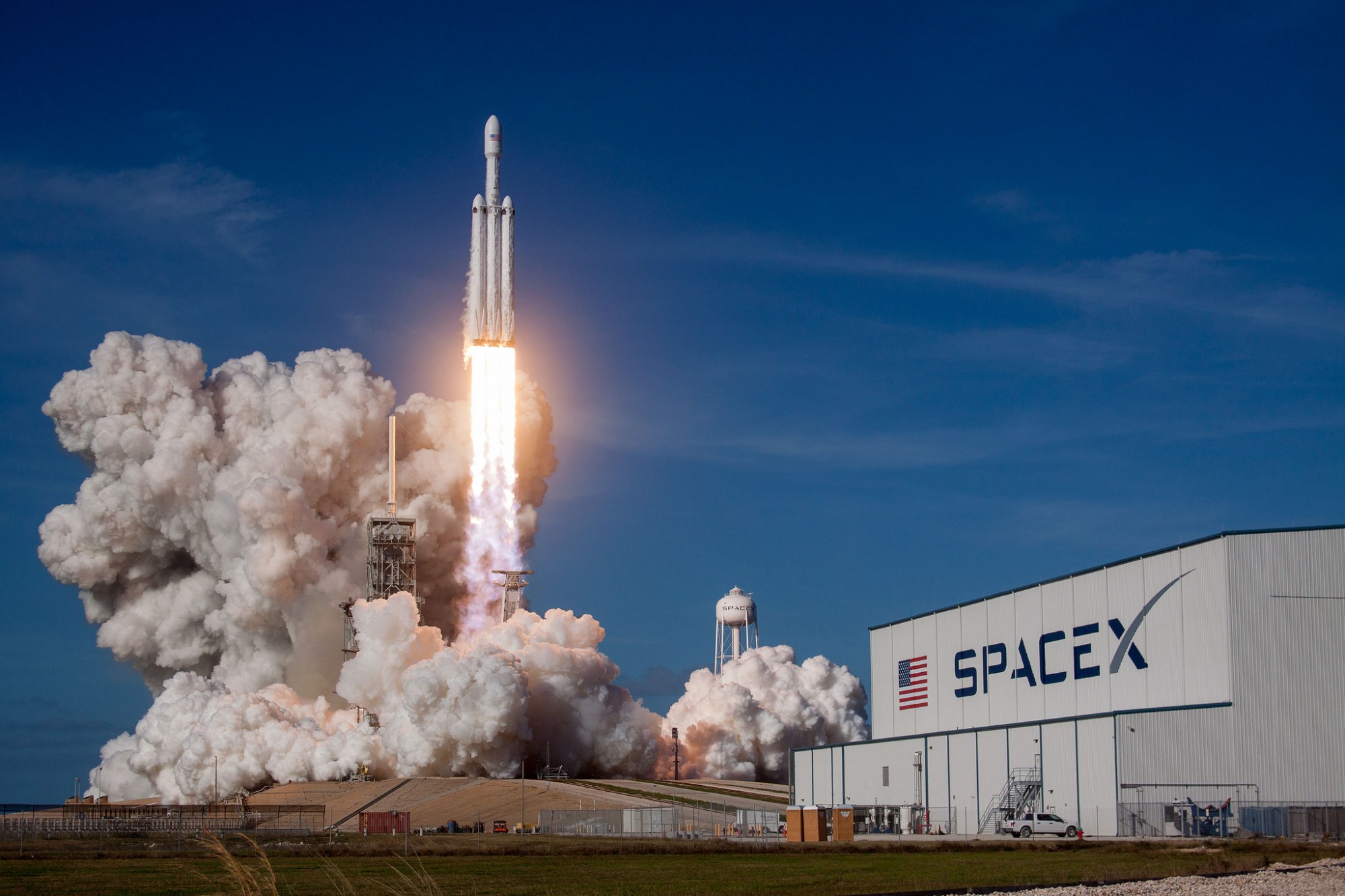
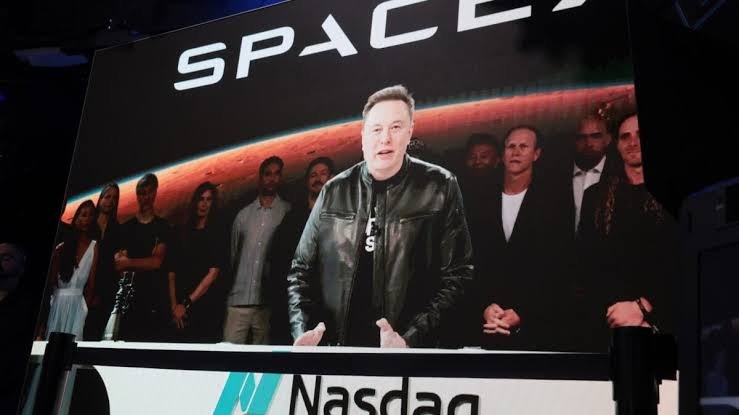
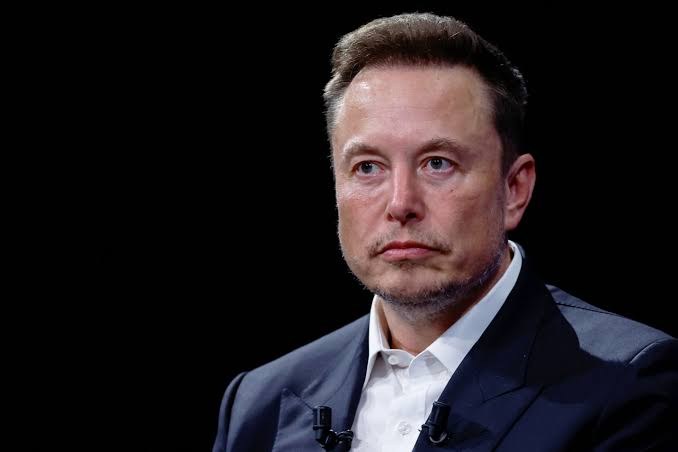
SpaceX priced its IPO on Thursday, raising $75 billion by selling 555.6 million shares at $135 each. The company opened Friday on the Nasdaq at a $1.77 trillion valuation, and shares surged 20 percent to $162 by close. The math is simple: after accounting for his SpaceX options and his remaining Tesla stake, Elon Musk became the first trillionaire in history.
But the world's richest person still sleeps in a $50,000 house he rents from his own company. The contrast is the whole story.
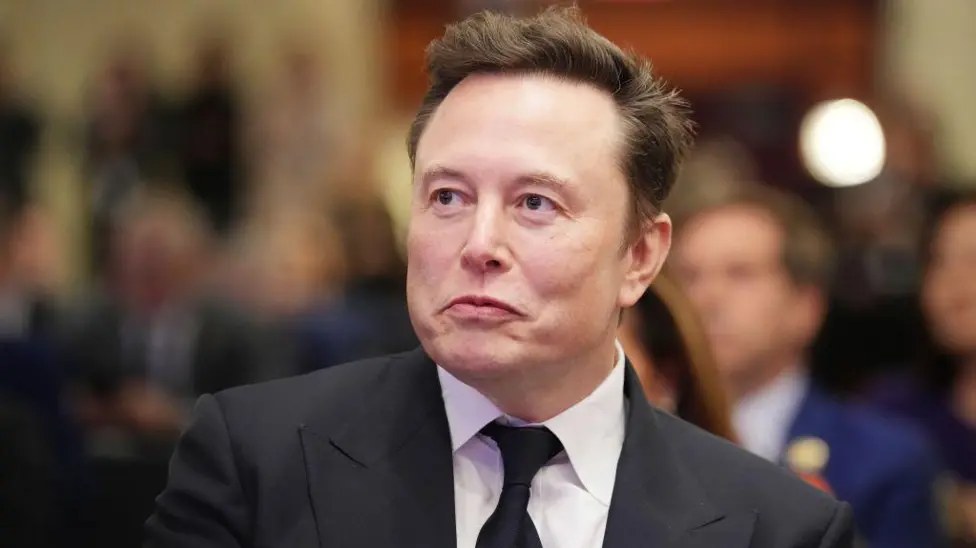
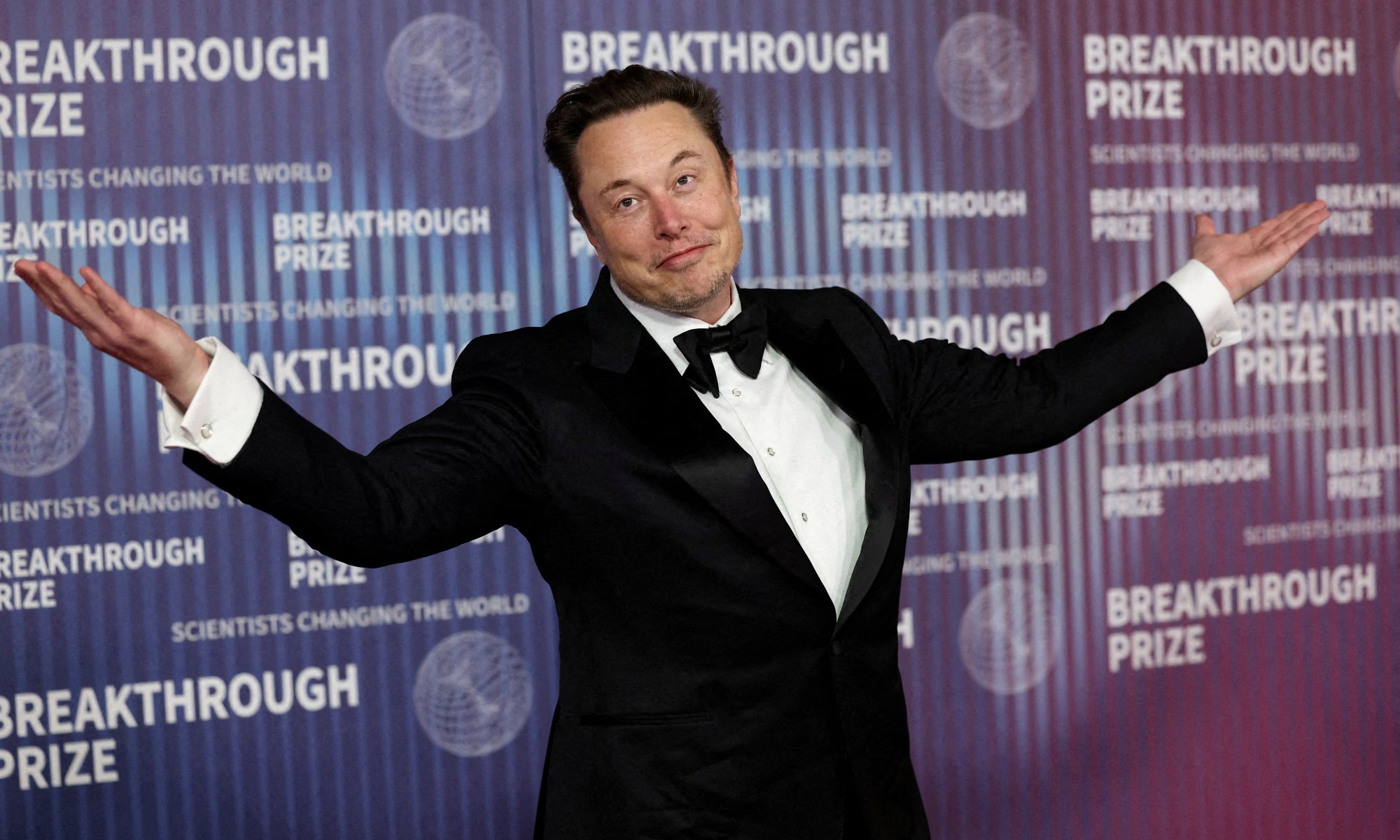
THE HOME AND THE TRILLIONARE
Musk revealed in 2021 that his primary residence is a two-bedroom house in Boca Chica, Texas, which he rents from SpaceX. Biographer Walter Isaacson called it a "spartan two-bedroom" home after visiting in 2023. The house cost $50,000. As recently as this March, Musk's mother Maye visited and described finding no food in the fridge. Musk's response when asked about his living situation? "It’s kinda awesome though"
He also bought a prefabricated Boxabl unit as a guest house on the same property. The modest digs stand in sharp contrast to the real estate his companies own: at least three large houses, each between 6,000 and 9,000 square feet with swimming pools, in the expensive West Lake Hills suburb of Austin. But those are corporate properties, not his. After moving to Texas in 2020 and selling most of his California homes, Musk spent about $35 million on adjacent properties near Austin, yet lives in a rental shack near the launch site.
This is not a new pattern. Musk has historically lived close to his factories during critical production periods. He slept at Tesla's California plant while struggling through the Model 3 ramp. Now he camps near the Boca Chica facility while SpaceX works on Starship, the next-generation rocket that will determine the company's next decade.
THE BUSINESS BEHIND THE BILLIONS
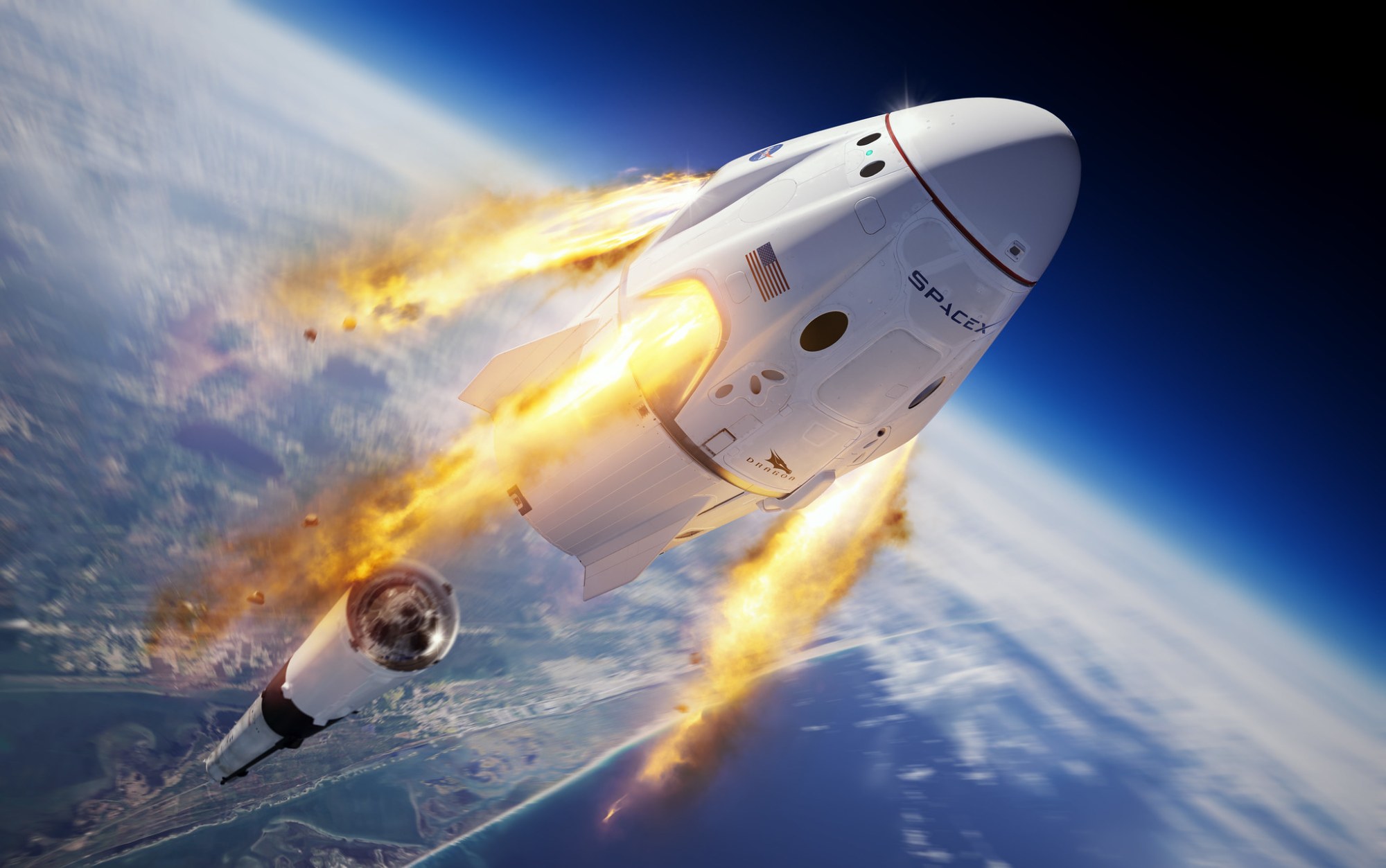
SpaceX did not get to a $1.77 trillion valuation on vibes. The company built the business on reusable boosters that slashed launch costs and let it run a cadence no competitor can match. Last year SpaceX accounted for more than half of all global rocket launches and has roughly 10,000 Starlink satellites in orbit. It is now the top launch provider for NASA and the Pentagon, which is also eyeing SpaceX to help develop President Trump's missile-defense shield.
Revenue grew more than 30 percent last year to $18.7 billion. Starlink, the satellite internet division, more than doubled its profit to $4.4 billion. But the bottom line swung to a loss of $4.9 billion, driven by $6.4 billion in losses from xAI, Musk's artificial intelligence venture. The IPO prospectus reveals that the space business is solid but the AI arm is burning cash at a staggering rate.
This is where the story gets interesting. In December, SpaceX was valued at $800 billion in an insider share sale. By April, secondary trading on private markets pushed it to $1.54 trillion. Now it sits at $1.77 trillion. The public listing essentially validated months of private-market speculation and then exceeded it within a day.
THE STOCK RIPPLE EFFECT
The SpaceX IPO didn't just make Musk a trillionaire, it pulled the entire space sector higher. Rocket Lab closed up 9.26 percent to $114.78 and is up 64.54 percent year to date. Virgin Galactic jumped 21.66 percent to $5.73. AST SpaceMobile, a satellite-to-phone company, rose 11.73 percent. Even small players like Rocket One and Astera labs got double-digit gains.
Investor excitement around the SpaceX listing has created a sympathy rally across the space board. The rally is real, but it is selective: the market is betting on the SpaceX ecosystem, not on every company that touches rockets.
WHAT COMES NEXT: STARSHIP, MARS AND A TRILLIONARE WITH OPTIONS
SpaceX is at a pivotal moment, especially with the Starship program, its fully reusable heavy-lift vehicle, is in active testing. The V3 Starship can carry up to 100 metric tons of payload, nearly triple the 35 metric tons of the V2. The first test flight last month was mostly successful. The rocket is expected to play a central role in returning astronauts to the moon and in Musk's vision of putting AI data centers in orbit.
Musk's compensation package includes performance milestones that could pay out enormous additional shares. If SpaceX reaches a $7.5 trillion valuation and has a Mars colony with 1 million inhabitants, Musk would get 200 million more Class B shares. Another milestone: 60 million more shares if the valuation hits $6.6 trillion and SpaceX deploys a network of space-based data centers with 100 terawatts of computing capacity.
Those numbers are almost too large to process.
A colony of 1 million people on Mars would be the most ambitious construction project in human history. The milestones are set so high that they function less as guaranteed payouts and more as long-term vision signposts.
With public shareholders and quarterly earnings, SpaceX will face pressure to deliver shorter-term returns alongside the long-shot Mars mission. The tension between running a profitable launch business and funding Musk's interplanetary ambitions is now a boardroom conversation, not just a funding round.
the trillionaire's paradox
Musk started SpaceX in 2002 explicitly to challenge Boeing and Lockheed Martin's dominance in the space-launch market. He succeeded beyond any reasonable expectation. The company now dominates a market it effectively created for reusable rockets, and its valuation reflects that dominance.
Yet the man at the center still chooses to live in a $50,000 house near the launch site, with no food in the fridge, while his companies own mansions in the Austin hills. The image of a trillionaire sleeping in a rented shack is either a bizarre affectation or a genuine commitment to the work. Either way, it is the defining contradiction of Musk's public persona: a man who built a fortune large enough to buy entire nations and chooses to live like a grad student on a launch contract.
The IPO makes him officially the richest person in history. But the house in Boca Chica suggests he is still behaving like the founder who sleeps on
what did you make of it?
more from space
space
SPACEX ABORTS STARTSHIP FLIGTH 13 AFTER ENGINES FAIL TO IGNITE
An automatic abort kicked in when some Raptor engines on the Super Heavy booster didn't light; two engines will be replaced before the next try.
space
FFC APPROVES SPACE MIRROR: REAL ISSUE IS THE OTHER MILLION SATELLITES
Reflect Orbital gets a license to test sunlight reflection, while SpaceX files for 40 times as many satellites as have ever been launched.
space
ISPACE BUYS 500KG OF PAYLOAD SPACE ON LUNAR LANDER STARSHIP
The Japanese firm will develop a rover to deliver customer payloads up to a few kilometers across the lunar surface, targeting a 2030 launch.
space
ASTRONOMERS SAY 1.7MN SATELLITES WOULD DESTROY GROUND BASED ASTRONOMY
A new ESO study calculates that proposed megaconstellations would make large telescope images unusable for hours each night.