SPACEX PLANS 20BN BOND OFFERING
The company is looking to refinance a bridge loan taken after buying Elon Musk's xAI, as it pours billions into data centers and computing hardware.
by editor5 min readcomments soon

SpaceX is preparing to sell investment-grade dollar bonds for the first time, seeking at least $20 billion to refinance a bridge loan it took out earlier this year after acquiring Elon Musk's AI startup xAI. Bankers are meeting investors as soon as next week, though the final size of the offering may shift.
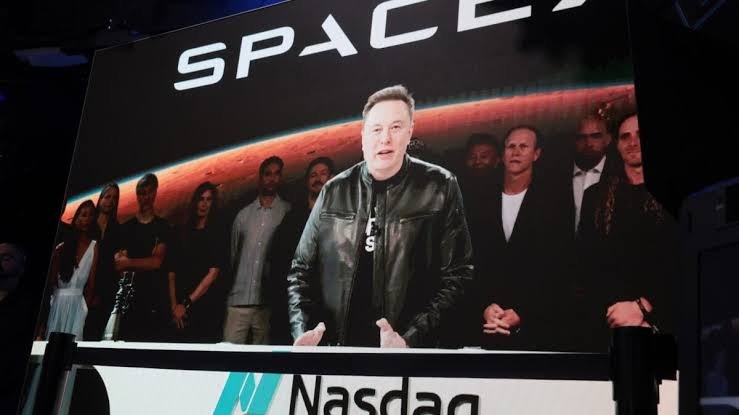
The move comes just days after the company's blockbuster Nasdaq debut pushed its valuation past $2 trillion, making it one of the most valuable public companies in the world. But that number is already getting tested. SpaceX shares surged in their first two days of trading before giving up some gains, and they were down 6% in afternoon trading on the day the bond plans leaked.
THE REFINANCE PLAY
The roughly $20 billion in proceeds would pay down a bridge loan of the same size that a consortium of five major banks extended to SpaceX earlier this year. Bank of America, Citigroup, JPMorgan Chase, Goldman Sachs, and Morgan Stanley provided the bridge financing and are expected to run the debt offering as well. For SpaceX, swapping short-term bank debt for longer-dated bonds is a textbook capital structure move: lock in lower rates if the market will take them, push out maturities, and free up the balance sheet for the spending spree to come.
The bond sale would also be a first for SpaceX. The company has historically relied on equity rounds and internal cash flows to fund its rocket and satellite programs. Moving into the public bond market signals that its financing needs have outgrown private capital, and that the company now carries the credit rating and revenue profile to borrow at investment-grade terms. Whether the bonds price at a spread that makes them attractive to institutional buyers will be the first real test of how debt markets view the SpaceX risk profile.
THE AI PRICE TAG
The bridge loan was used specifically to acquire xAI, Musk's artificial intelligence firm, in a deal that closed in February. The acquisition turned SpaceX from a rockets-and-satellites company into a rockets-and-AI company, a transition that Bloomberg's initial report described as a pivot requiring tens of billions of dollars in investment for data centres, computing hardware, and power infrastructure.
That number is important. The bond offering covers the bridge loan, but the bridge loan was essentially a down payment. Building the infrastructure to run large-scale AI models at the level xAI will need is a multiyear capital project that could easily exceed the current offering. If SpaceX plans to compete with the hyperscale cloud providers and dedicated AI labs, the data centre spend alone will run into additional billions. The bond market may be asked to show up again.
MARKET REALITY CHECK
The $2 trillion valuation that followed the Nasdaq debut was eye-popping. But the market is already signalling some discomfort. Shares surged in the first two days of trading as pent-up demand cleared, then gave back some ground as investors started to do the math. A 6% decline in afternoon trading on the bond-news day suggests that at least some institutional money is sceptical about whether the valuation can hold when the company starts showing its AI-related spending on public financial statements. The bond offering itself provides a data point: if investors demand a high yield, it means they see real risk in the business plan.
The beauty of the structure from SpaceX's perspective is that it locks in a large pool of capital before the quarterly earnings reports start forcing transparency. Public companies face scrutiny that private companies do not, and SpaceX's first few quarters as a listed company will be unusually watched. Having the bridge loan refinanced before the first earnings call takes the immediate pressure off.
WHAT THE BANKS GET OUT OF IT
The five banks that provided the bridge financing are now positioned to earn substantial fees from the bond underwriting. For Goldman Sachs, Morgan Stanley, JPMorgan, Bank of America, and Citigroup, the deal represents both a lucrative payday and a relationship anchor with a client that will need continuous capital markets support. If the bond offering goes well, SpaceX will likely return for more. If it struggles, the banks will be on the hook for warehousing risk that they may not be able to sell down quickly.
The investment-grade label is new for SpaceX, and it suggests the company has accumulated enough recurring revenue from Starlink subscriptions and launch contracts to satisfy credit rating agencies. But investment grade is a wide band. A bond from a company building AI data centres and launching rockets is a different risk profile from a utility or a consumer goods company. The spread in pricing will tell the real story.
EITHER WAY THE PLAY IS CLEAR
The bankers are meeting investors next week in what is expected to be a rapid roadshow. The size of the offering could change based on demand. If the books are thick, SpaceX may upsize the deal and raise even more than $20 billion. If demand is tepid, the company may scale back.
SpaceX used its public debut to get a valuation that makes debt cheap, then it is using that cheap debt to fund the most capital-intensive bet in its history. The whole sequence hinges on one question: whether the AI business can generate returns that justify the spending before the interest payments start to compound.
For now, the answer is, we will find out. The bond offering is a key test of market confidence. If it clears, the AI buildout begins in earnest. If it does not, the stock will have a harder time holding that $2 trillion number.
what did you make of it?
more from business
business
APPLE RECLAIMS WORLD MOST VALUABLE COMPANY TITLE, NVIDIA BOTTLES IT
apple overtook nvidia during friday trading, extending a 23% year‑to‑date surge as investors reward its ai agenda and light capital spending.
business
RYAN COHEN'S GAMESTOP PIVOT: GAMES ARE 18% OF REVENUE AND FALLING
GTA6 goes digital-only, Sony ends physical discs, and GameStop's CEO says that's fine because the company now sells toys.
business
NOTEBOOKLM NOW GEMINI NOTEBOOK, ADDS CLOUD CODE EXECUTION
The research tool originally known as Project Tailwind drops the LM and gains a secure cloud computer for data analysis.
business
TSMC FACES ITS HARDEST QUARTER YET AS AI DEMAND MEETS MARGIN SQUEEZE
Record revenue and eps gains aren't the whole story. the costs of building the world's most advanced chip factories are starting to show.