NASA'S ASTROPIX GAMMA-RAY SENSOR TO FLY ON 2027 ROBOT ARM MISSION
A new silicon-pixel detector will measure gamma rays in an energy range where current NASA telescopes are less sensitive, and it gets there via a robotic servicing demo.
by editor3 min readcomments soon
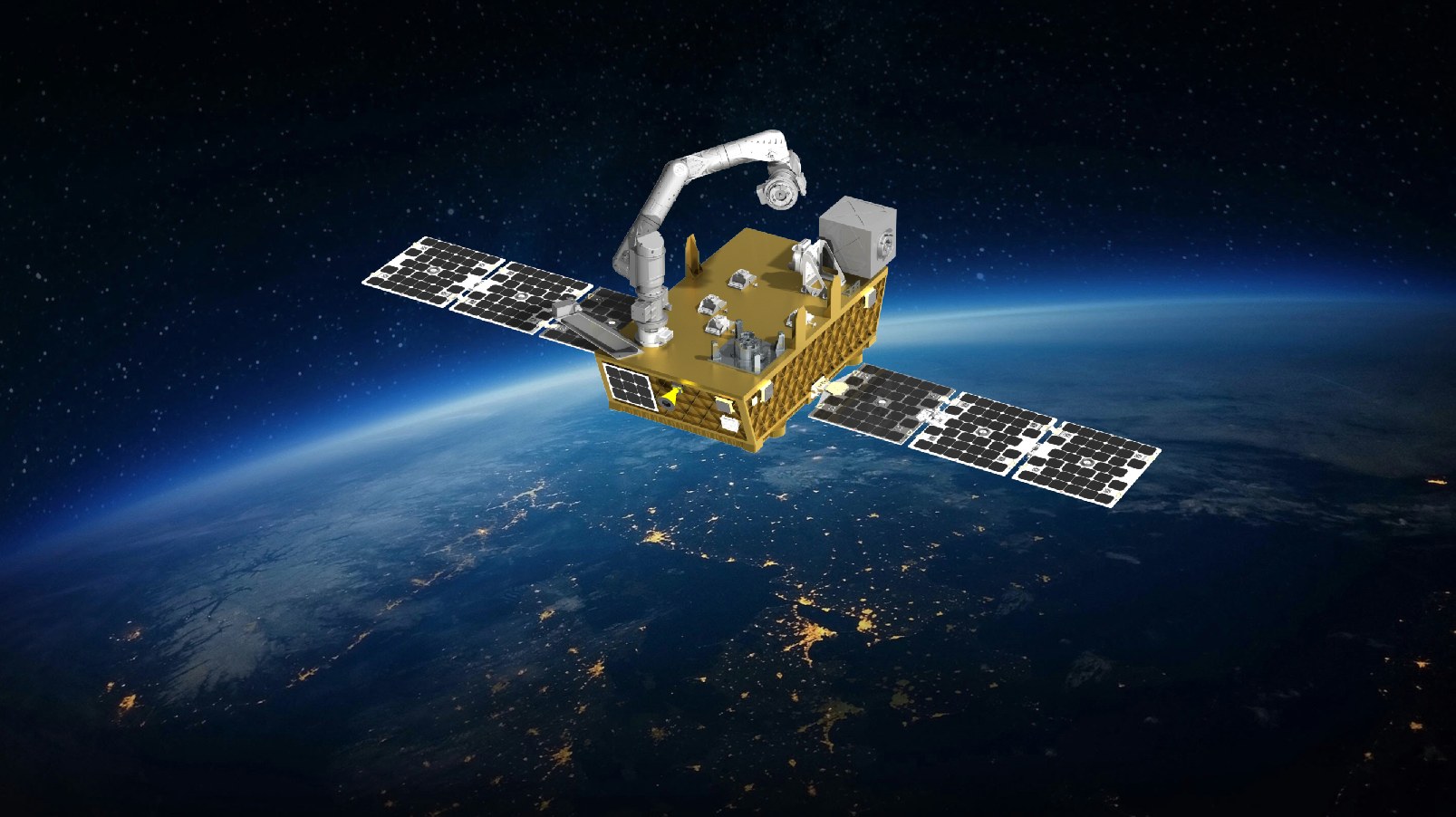
A new kind of gamma-ray sensor is hitching a ride on a NASA mission designed to demonstrate robotic arm operations in orbit. AstroPix, developed at NASA's Goddard Space Flight Center in Greenbelt, Maryland, will fly on the Fly Foundational Robots mission launching in late 2027, the agency confirmed this week.
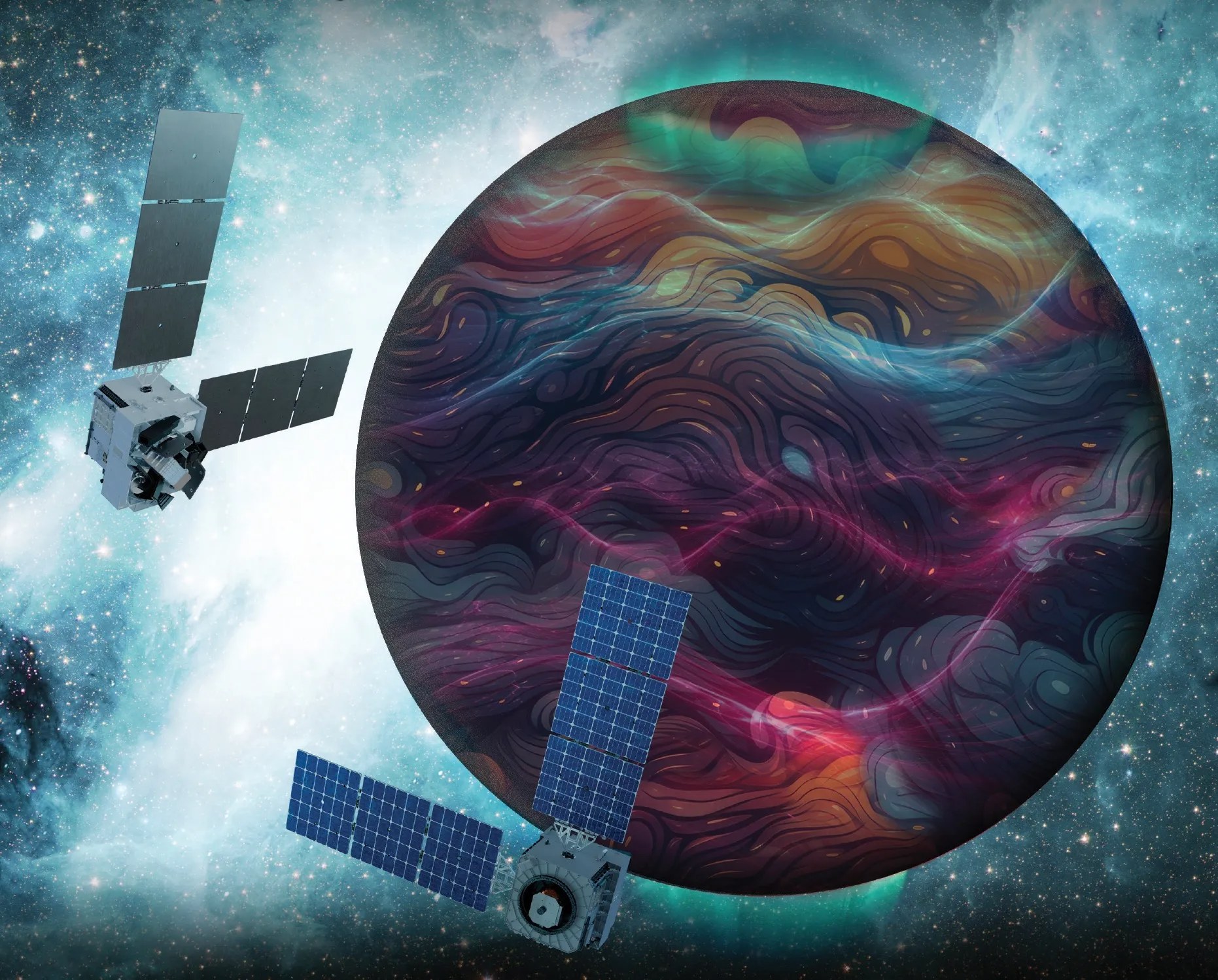
The sensor targets gamma rays between 20,000 and 700,000 electron volts. That matters because existing NASA missions including the Fermi Gamma-ray Space Telescope and Neil Gehrels Swift Observatory have a sensitivity gap between 500,000 and 1 million electron volts, where many gamma-ray bursts shine brightest and where astronomers expect to see the strongest glow from the most massive and distant active galaxies powered by black holes.
HOW IT WORKS
Each AstroPix chip contains four silicon pixel gamma-ray detectors, totaling 1,225 pixels per detector. The chips function similarly to the sensors in cell phone cameras, but tuned to catch gamma rays instead of visible light. The team has flown comparable technologies on a scientific balloon mission, and the current prototype eventually will be part of a sounding rocket payload.
Dan Violette, the principal investigator, said the team needs to thoroughly test AstroPix's performance before using the sensors in future science missions. Many flight opportunities only reach near space, though. It is not often that technology demonstrations like theirs can find a ride into orbit.
THE RIDE
AstroPix will fly as part of the AstroPix Satellite Technology dEmonstration Payload, also called A-STEP, hosted within the Fly Foundational Robots mission's Orbital Replacement Unit. That unit was built by Rocket Lab Robotics, which will also provide the robotic arm that picks up and repositions the module during flight. Astro Digital provides the spacecraft.
The original plan called for the robotic arm to reposition the module without one. But Bo Naász, who leads the Fly Foundational Robots effort from NASA Headquarters in Washington, said the unit already had the volume, power, and data needed to support the AstroPix team's design.
One of the major goals with Fly Foundational Robots is to demonstrate robotic changeout of payloads in orbit, enabling upgrades or improvements to satellites and space instruments at a fraction of the cost of a full mission. Allowing AstroPix to complete its own technology demonstration in orbit is a bonus.
The Fly Foundational Robots spacecraft is also a technology demonstration, so the projects were a good fit for each other, Violette said.
WHY IT MATTERS
The mission is funded through the Space Technology Mission Directorate's ISAM portfolio, which focuses on in-space servicing, assembly, and manufacturing. The robotic arm system comes via a NASA Small Business Innovation Research Phase III award to Rocket Lab Robotics, while Astro Digital will host the orbital flight test through NASA's Flight Opportunities program.
By stacking AstroPix detectors in future missions, scientists could bridge the sensitivity gap and improve observations of gamma-ray bursts and distant active galaxies. The development of AstroPix was supported by NASA's Astrophysics Division in the Science Mission Directorate.



The AstroPix team is working to deliver their hardware this September. The additional technology demonstration fits within the 11.8-inch (30-centimeter) cube allocated for the Orbital Replacement Unit.
what did you make of it?
more from space
space
SPACEX ABORTS STARTSHIP FLIGTH 13 AFTER ENGINES FAIL TO IGNITE
An automatic abort kicked in when some Raptor engines on the Super Heavy booster didn't light; two engines will be replaced before the next try.
space
FFC APPROVES SPACE MIRROR: REAL ISSUE IS THE OTHER MILLION SATELLITES
Reflect Orbital gets a license to test sunlight reflection, while SpaceX files for 40 times as many satellites as have ever been launched.
space
ISPACE BUYS 500KG OF PAYLOAD SPACE ON LUNAR LANDER STARSHIP
The Japanese firm will develop a rover to deliver customer payloads up to a few kilometers across the lunar surface, targeting a 2030 launch.
space
ASTRONOMERS SAY 1.7MN SATELLITES WOULD DESTROY GROUND BASED ASTRONOMY
A new ESO study calculates that proposed megaconstellations would make large telescope images unusable for hours each night.