PIXEL 10 VS PIXEL 10 PRO: THE $200 GAP BUYS A LOT
The Pro gets an LTPO display, a dedicated telephoto, and up to 1 TB of storage. The base model finally gets a triple camera.
by editor5 min readcomments soon
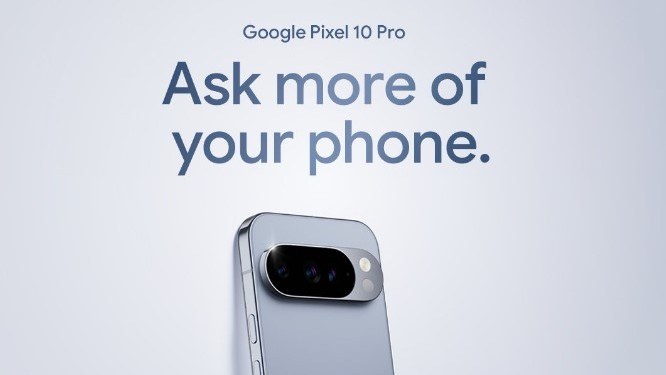
Google's Pixel 10 lineup is out, and the $200 difference between the $799 Pixel 10 and the $999 Pixel 10 Pro is loaded with real hardware upgrades. For the first time, the standard Pixel 10 gets a triple camera setup, but the Pro still pulls ahead on display quality, zoom capability, and storage headroom. Both phones weigh nearly the same, but that is where the physical similarity ends.
WHAT $200 ACTUALLY BUYS
Both phones have a 6.3-inch screen, but the Pixel 10 Pro uses a superior LTPO OLED panel. LTPO technology dynamically adjusts the refresh rate from 120 Hz down to 1 Hz when the screen is static, saving battery without sacrificing smoothness. The Pro display is sharper and brighter than the Pixel 10's standard OLED, which still reaches a respectable 120 Hz and 3000 nits of peak brightness. In direct sunlight or HDR content, the Pro's advantage is visible.
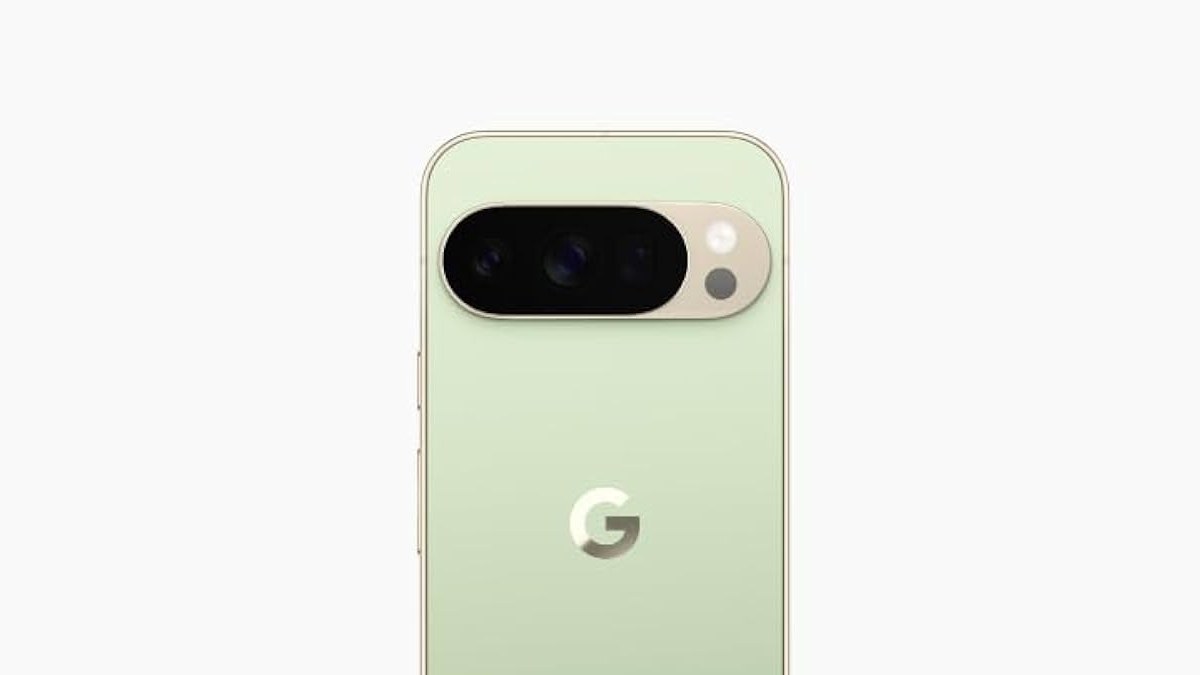
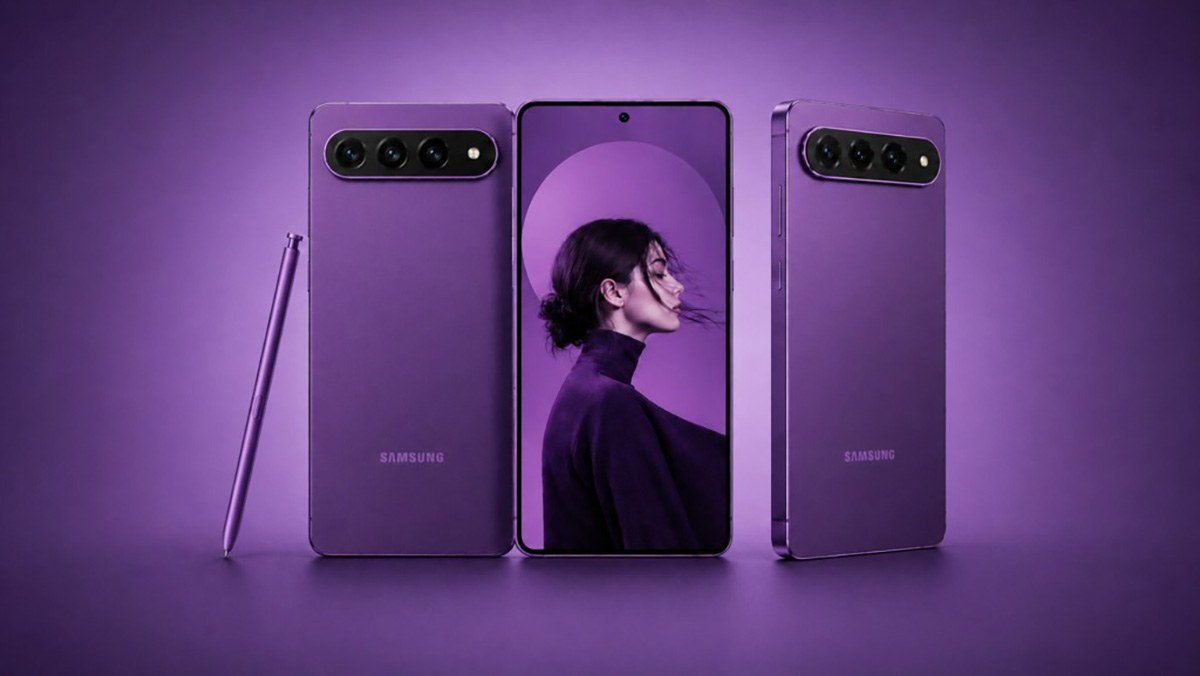

The camera hardware tells the real story. The Pixel 10 Pro packs a 50 MP wide sensor, a 48 MP telephoto with 5x optical zoom, and a 48 MP ultrawide with a 123-degree field of view. The Pro also lets you manually control ISO and shutter speed, a feature photographers will appreciate. The base Pixel 10, despite its first-ever triple camera, does not have a telephoto lens and relies on digital zoom. The Pro captures better images in challenging conditions, and the 5x optical zoom is a genuine differentiator for portraits, sports, and wildlife.
Storage is a major split. The Pixel 10 only comes in 128 GB or 256 GB. The Pixel 10 Pro offers those options plus 512 GB and 1 TB. Google has never included a microSD card slot in any Pixel, so the storage you buy is all you get. The Pro's 512 GB tier is the sweet spot for anyone who shoots video or plans to hold onto the phone for three years.
WORLD CUP PROMOTION
Google is tying the Pixel 10 launch to the FIFA World Cup, which kicked off on Friday with matches involving Mexico and South Africa. Anyone who buys a Pixel 10, Pixel 10 Pro, or Pixel 10 Pro XL gets a free Google TV Streamer and a World Cup-themed Pixelsnap Ring Stand. The TV Streamer normally costs €94 (down from an MSRP of €119) and the stand is €35.
Using the TV Streamer or any other Google TV device, you can watch matches live, check the schedule, and see match highlights and post-game analysis. Germany's first match is this Sunday against Curaçao. The promotion transforms the phone purchase into a viewing bundle, and the timing aligns perfectly with the global event.
REAL WORLD PRICING
In Europe, the discounts are aggressive. The base Pixel 10 is around €350 off depending on the storage option. The Pixel 10 Pro and Pixel 10 Pro XL are €300 off. There are no 512 GB units of the 10 Pro in stock, but the 512 GB XL is available. These cuts drop the effective price of the Pro below the launch MSRP of the base model in some regions.
The Pixel 10a starts at $499, which is the entry point for anyone who does not need the Pro features. But the $200 premium for the Pro buys an LTPO display, a telephoto camera, and up to 1 TB of storage. For photographers and power users, that is money well spent.
These discounts put the Pixel 10 in competition with phones that have seen their own price drops. The Samsung Galaxy S26+ is now €800, down from €880 a month ago. The Nothing Phone (3) is at €500 with a Snapdragon 8s Gen 4 chipset, a 6.67-inch 1260p+ OLED display, and four 50 MP cameras (three on the back, one on the front). The Nothing Phone (4a) costs €400 for a 12/256 GB configuration, with a bigger 6.78-inch display and a 5,080 mAh battery. The Realme 16 Pro+ starts at €415 for 8/256 GB, with a 200 MP main camera, a 50 MP 3.5x periscope, and an 8 MP ultrawide, plus a massive 7,000 mAh battery with 80W charging. The Xiaomi 17 is down to €850 for a 12/512 GB unit.
Google's Pixel 10 Pro at an effective €700 after the discount, including the free TV Streamer and stand, holds its own against that field. Camera software and display quality remain strong advantages.
PIXEL 11 HORIZON
The Pixel 11 series is expected in about a month and a half. All that is known so far is that it will feature an LED strip on the back and a new modem. That is not enough detail to recommend waiting. If the current Pixel 10 Pro meets your needs and the World Cup promotion sweetens the deal, there is little reason to delay.



The choice between the Pixel 10 and the Pixel 10 Pro is clearer than most Android decisions this year. The Pro is the premium pick for anyone who cares about the details. The standard Pixel 10 is a solid phone at a fair price, now with its first triple camera. Both are on sale right now, and both come with a free TV Streamer. That is a rare moment of clarity in the mid-range and flagship markets.
what did you make of it?
more from consumer tech
consumer tech
GOOGLE ADDS YOUTUBE MUSIC, INSTACART & CANVA TO AI MODE SEARCH
Starting this week, US users can ask AI Mode to make a playlist, fill a grocery cart, or design a flyer without leaving the search…
consumer tech
ONEPLUS DEAD IN THE WEST, OPPO OVERLORDS PULL PLUG
The brand that built its reputation on has settled for leaving its biggest markets. Existing phones still work. New ones won't come.
consumer tech
GOOGLE PIXEL 10 PRO DROPS TO 699, BEST DEAL YET!
A $300 discount on the 128GB model undercuts Prime Day pricing and signals a clear runway to the pixel 11 launch.
consumer tech
APPLE RAISES APPLE ON BUNDLE FOR FAMILY AND PERMIER PLANS
the Family plan jumps $2 to $27.95 a month and the Premier to $39.95; Apple hasn’t explained the bundle increase beyond citing music licensing for…