APPLE PLANS TO GO BIG FOR 20TH ANNIV.
A new Bloomberg report says AirPods with cameras, a 20th anniversary iPhone, and a second-gen foldable are all aimed at late 2027.
by editor5 min readcomments soon
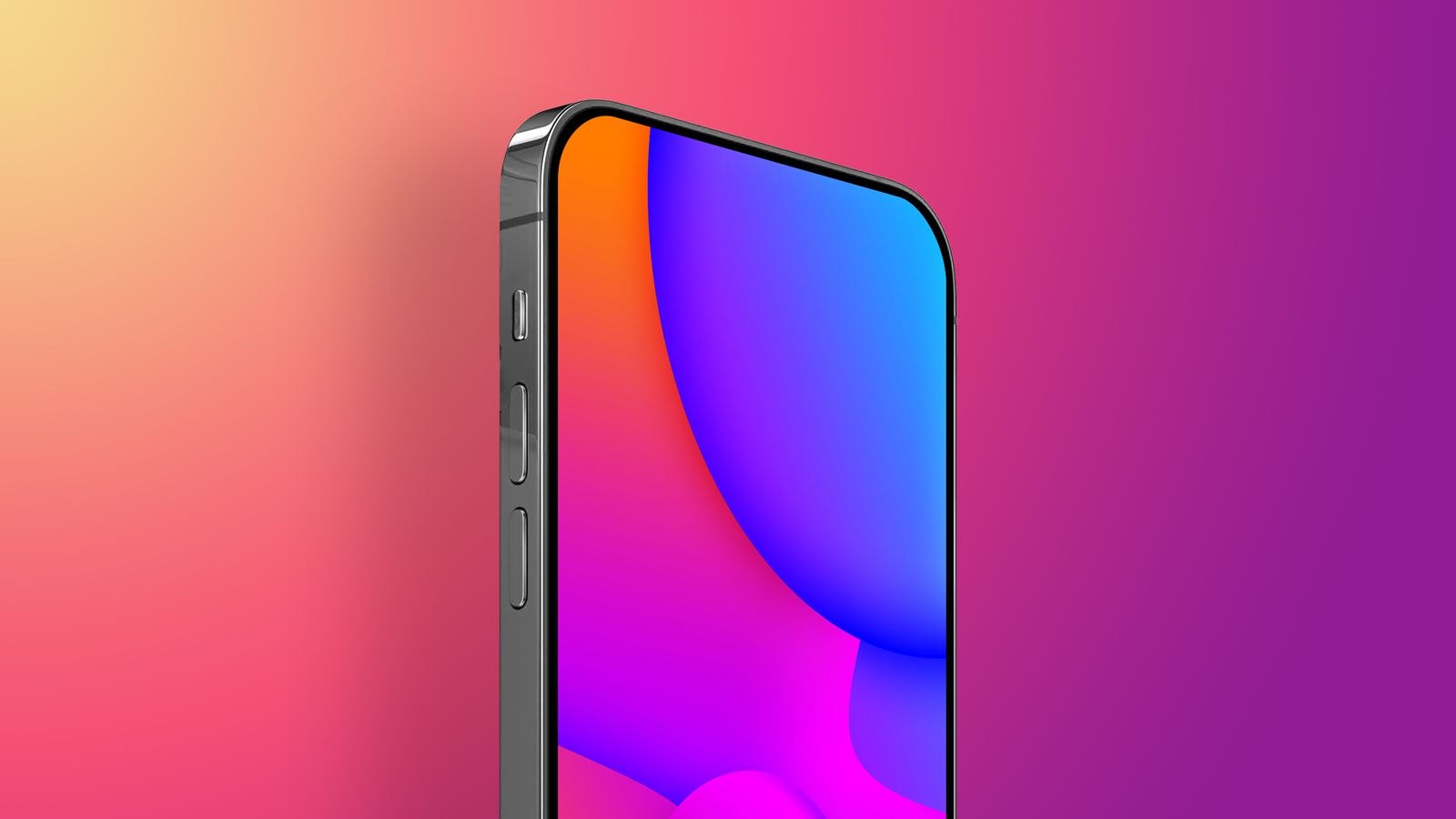
Apple is building toward a product lineup that could be the densest hardware launch window in its history. According to a new Bloomberg report, the company is targeting late 2027 for three major devices: the 20th anniversary iPhone, a second-generation foldable iPhone, and a pair of AirPods with built-in cameras. The timing remains fluid, but the outline of Apple’s hardware roadmap for the next two years is now visible.
The camera-equipped AirPods, code-named B798, were originally slated for 2026. The deadline slipped, the report notes, because of Apple’s prolonged struggles with AI software. The company needed to develop visual AI models capable of identifying objects in a user’s surroundings, and Apple Intelligence plus Siri delays pushed everything back. By Gurman’s account, the product is now "scheduled to launch in late 2027.". The exact use case is still being defined, but the general direction is clear: Apple wants its audio wearable to double as a visual data-gathering device, likely feeding spatial awareness and object recognition into the broader Apple Intelligence ecosystem.
THE ANNIVERSARY IPHONE
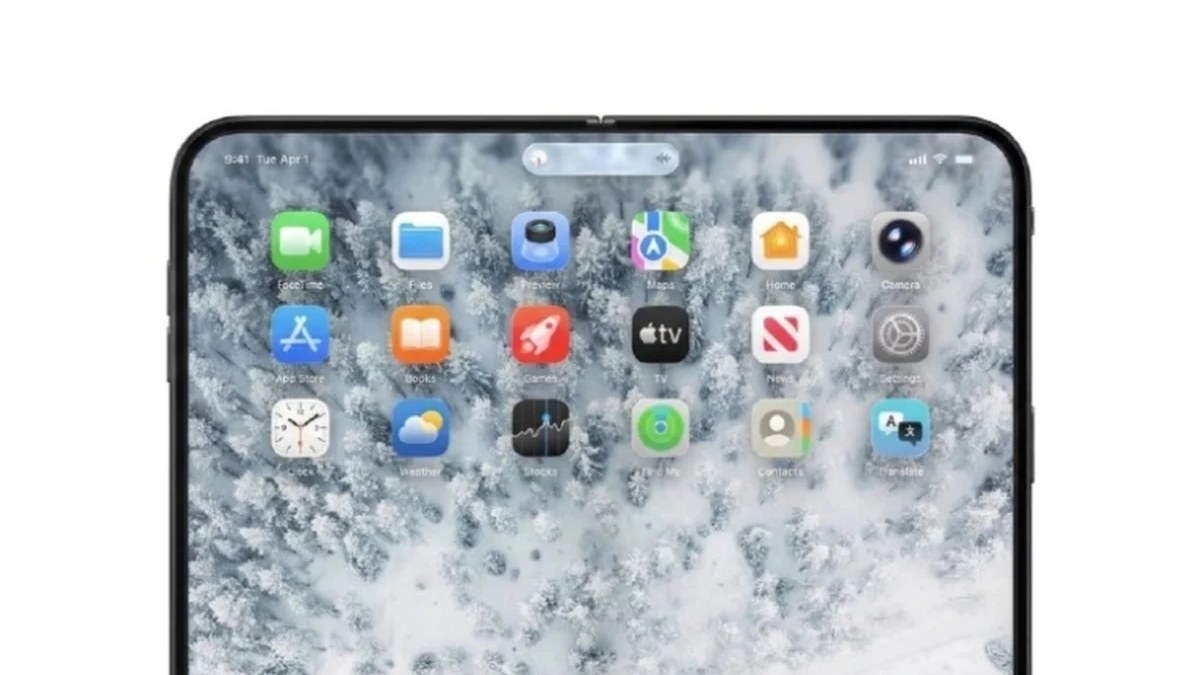
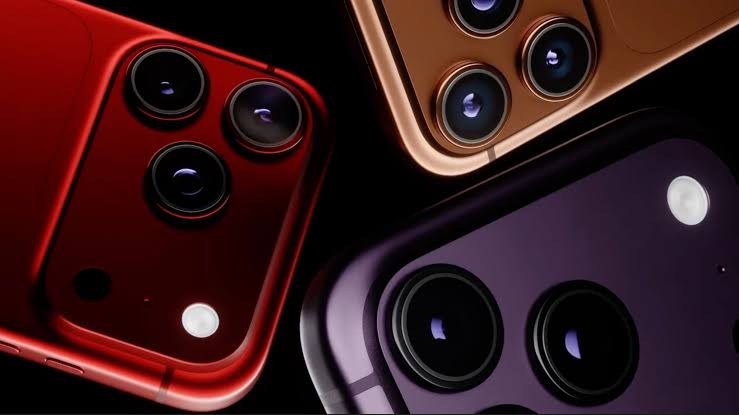
Headlining the 2027 lineup is the 20th anniversary iPhone. The device will feature a "nearly edge-to-edge display." with "curved glass that wraps around the sides.". Multiple rumors have pointed to this design language: an almost seam-free front panel where the glass curves into the metal band. The anniversary model is expected in two sizes that are "similar sizes" to the iPhone 18 Pro and iPhone 18 Pro Max, which translates to roughly 6.3 inches and 6.9 inches. It will launch alongside the second-generation foldable. Both the anniversary and foldable models will run on a 2-nanometer A21 chip internally called Naxos.
The standard iPhone 18, meanwhile, will debut earlier in early 2027 instead of the usual fall cycle. It will use the base A20 chip, also built on 2nm. That breakup of the usual fall launch signals that Apple is willing to disrupt its own cadence to get the anniversary phone and foldable on store shelves together in the second half of the year.
CHIP ROAD MAP
The A20 will mark the first node upgrade in several years, moving the entire flagship line from 3-nanometer to 2-nanometer. That’s a meaningful jump in transistor density and efficiency. The A21, used in the anniversary and foldable models, is also 2nm but presumably tuned for the specific power and thermal profiles of those devices. And Apple is already looking further ahead: by 2028, the high-end iPhones will be powered by the A22 Pro chip, which could use a new 1.4-nanometer production technology. That would represent a node shrink of more than 30% in two generations, a pace that would put Apple ahead of most of the industry.
The chip strategy is a classic Apple hedge. By staggering the A20 across the iPhone 18 line in early 2027, then the A21 later that year, the company keeps the hardware fresh for the most expensive devices while giving itself room to iron out yield issues on the new node. The A22 Pro on 1.4nm in 2028 is a long-range signal of intent, but the immediate story is that the A21 will be the chip that powers Apple’s most ambitious hardware yet.
AIRPODS AND AI BOTTLENECK
The AirPods camera project is a strong indicator of where Apple thinks the next wearable frontier is. The original 2026 target slipped because visual AI models were not ready. Apple Intelligence has been a slow rollout, and Siri’s struggles are well documented. The company needed to develop the on-device models that can identify objects and surfaces from a camera feed, likely running on the H-series or a future low-power coprocessor inside the AirPods case. That work is now advanced enough that the team has a late 2027 launch window.
Exactly what these AirPods will do is still speculative, but the most obvious use is spatial awareness for AR and accessibility: recognizing a coffee cup, identifying a door handle, or reading text from a sign and feeding it to the user. The camera pod would sit on the stem or the ear cup, and the processing would happen on the paired iPhone. It is a classic Apple move: let the wearable handle sensing, let the phone handle compute, and keep the cost and weight down.
FOR NOW, THE ROADMAP IS ALL WE HAVE
The report explicitly warns that the timing of all the products remains fluid and could change. The iPhone 19 is also in the works, set to run a base A21 chip rather than a Pro variant, suggesting that even as Apple revs up the anniversary cycle, the regular upgrade path continues. Apple is "ramping up" on the anniversary iPhone, which means prototypes are being tested, supply chain is being locked, and the design is likely finalized. But the late 2027 window is still more than two years out, and any number of engineering or production snags could shift it.
What is clear is that Apple is assembling its most diverse hardware lineup since the original iPhone launch in 2007. A foldable, an anniversary flagship, and a wearable with a camera represent three distinct form factors aimed at three different use cases. If they all land in the same year, it will be the most aggressive product year in Apple’s history since the iPhone itself. The question is whether the software can keep up, and the AirPods delay suggests Apple is being cautious about promising features it cannot deliver.
The late 2027 window gives Apple two years to nail the execution. If it does, the anniversary iPhone might not just be a celebration of the past but a blueprint for the next decade.
what did you make of it?
more from consumer tech
consumer tech
GOOGLE ADDS YOUTUBE MUSIC, INSTACART & CANVA TO AI MODE SEARCH
Starting this week, US users can ask AI Mode to make a playlist, fill a grocery cart, or design a flyer without leaving the search…
consumer tech
THE FLAGSHIP KILLER IS DEAD: ONEPLUS QUITS THE US AND EUROPE
OnePlus is leaving North America and Europe, handing the market to parent Oppo, and pushing remaining devices onto ColorOS.
consumer tech
GOOGLE PIXEL 10 PRO DROPS TO 699, BEST DEAL YET!
A $300 discount on the 128GB model undercuts Prime Day pricing and signals a clear runway to the pixel 11 launch.
consumer tech
APPLE ONE GOES UP $2 A MONTH. THE INDIVIDUAL PLAN IS THE TELL
Family and Premier bundles climb $2 a month with nothing added, while Individual stands still. That gap is the whole story.