APPLE GOING ALL IN ON FOLDABLE? PUTS 10MN UNITS TARGET
The company has told suppliers to prepare for roughly a third more foldable iPhones than earlier estimates suggested.
by editor4 min readcomments soon
Apple has raised its production target for the first foldable iPhone to around 10 million units, a significant bump from earlier plans of 7 to 8 million. The figure, reported by Nikkei Asia and corroborated by other outlets, signals confidence from Cupertino that its long-rumoured entry into the foldable market is on track for a September launch alongside the iPhone 18 Pro and Pro Max.
The higher volume is notable for a first-generation device that had a complicated road to production. Reports from earlier this year described hinge-related manufacturing problems that briefly cast doubt on the autumn timeline. Apple appears to have worked through most of those issues since, and committing to a larger build run suggests the company believes the production process is stable enough to support it.

WHAT THE FOLDABLE MIGHT LOOK LIKE
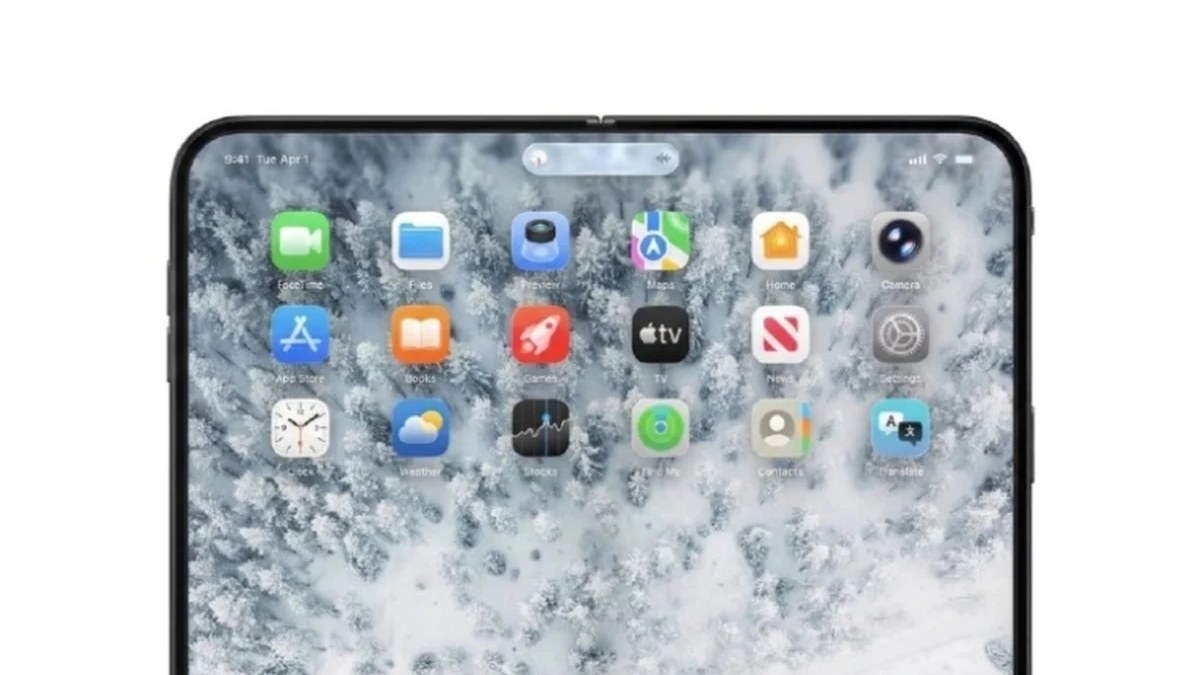
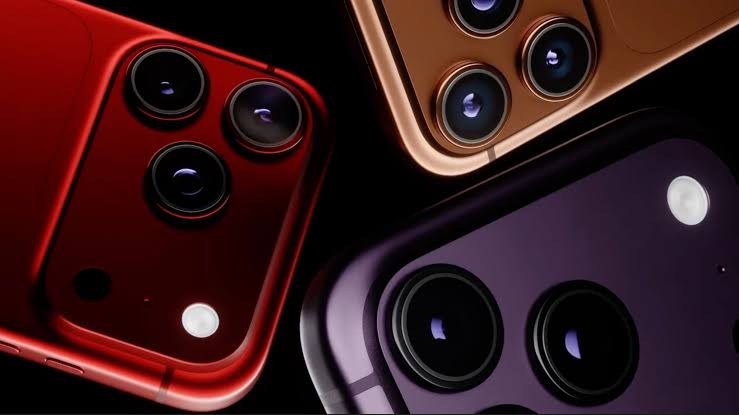
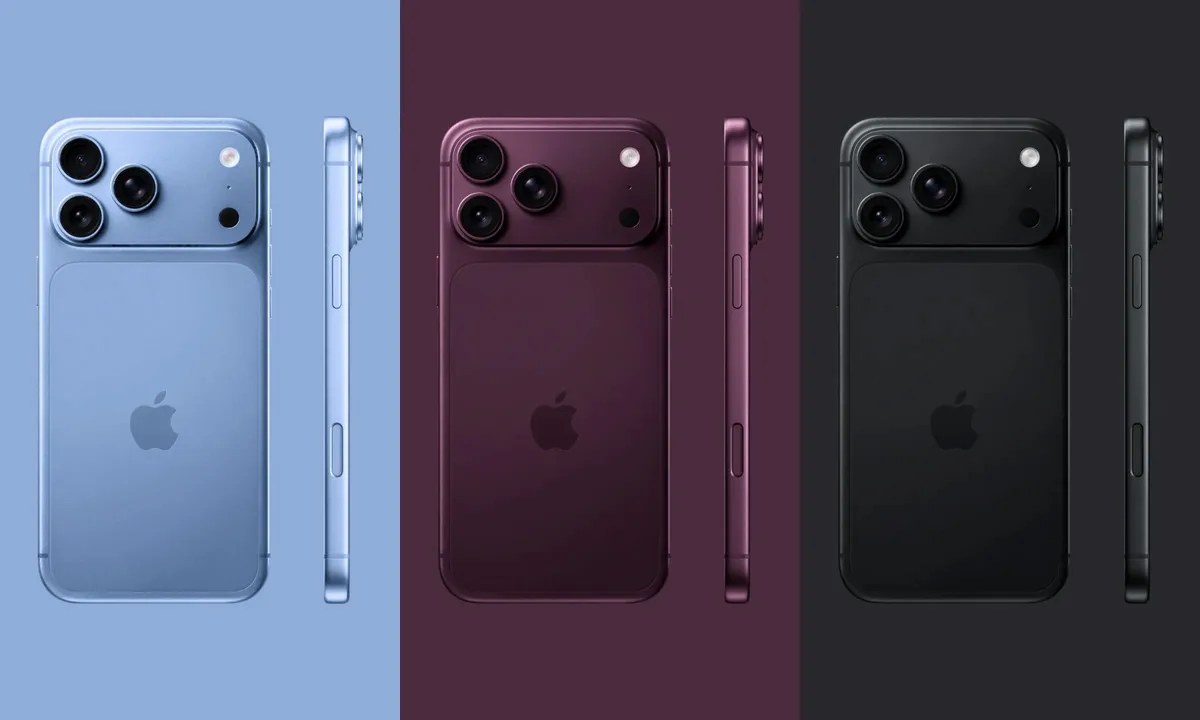
Earlier leaks describe the foldable, rumoured to be called the iPhone Ultra, as a book-style design with a 7.8-inch inner OLED display and a 5.5-inch cover screen. It is said to run Apple's A20 chip and use a Touch ID sensor integrated into the power button instead of Face ID. The camera system is reportedly a dual-lens setup without a dedicated telephoto sensor.
These are not minor details. Moving away from Face ID after nearly a decade of facial recognition across the flagship lineup is a notable regression in the user experience. The gap between the cover screen image and the inner unfolded display implies a phone that is chunky when closed and expansive when open, the standard trade-off in this form factor.
IN THIS ECONOMY?
The rumoured starting price of around $2,500, with higher-storage options potentially reaching $3,000, puts the device substantially above the top-end iPhone 18 Pro Max and every competing foldable on the market. For context, that is closer to a MacBook than a Pro Max. At that price, every compromise becomes harder to justify.
Touch ID instead of Face ID, a dual-camera setup without a telephoto sensor, a first-generation hinge that may or may not age well. Buyers spending laptop money on a phone will expect a lot more than what the first generation is currently reported to deliver. Apple's purchasing power and supply chain leverage mean the device will likely be well-built, but the feature set needs to match the price tag. Right now the leaks suggest a gap.
THE BIGGER PICTURE
The foldable iPhone is one piece of a much larger production cycle. Apple has told some suppliers to expect up to 85 million total new iPhone orders across the second half of 2026, bringing projected full-year orders to around 220 million units. IDC has forecast that Apple will ship close to 240 million iPhones in 2026.
Raising the foldable target to 10 million units, roughly a third more than the previous average build target, suggests Apple sees more demand for the category than it initially expected. But it also reflects the company's unique position in the supply chain. Apple's purchasing power leaves it better positioned than rivals Xiaomi, Oppo, and Vivo, each of whom have cut annual production targets below 100 million units due to memory shortages. In a tight component market, Apple can secure the parts it needs while competitors scrabble for scraps.
WHAT THE HINGE TELLS US
Engineering problems with the foldable's hinge, the most failure-prone component of any folding phone, appear to have been resolved. But the fact they existed at all is worth remembering. The hinge is the mechanical heart of the device, and a first-generation one on a product Apple intends to sell at a $2,500 starting price cannot afford to be fragile.
The raised production figure does not mean all 10 million units will ship on day one. A larger production run of the foldable likely will not start until near the end of the year, meaning initial stock could be tight while Apple ramps.
GENERATIONAL RUN INCOMING
Apple has raised prices on MacBooks and iPads in recent months due to rising component costs. The iPhone 17 lineup has not been affected yet, but the company will likely use new device launches to introduce increased pricing across the lineup if current conditions hold. The iPhone Air, introduced in September 2025, is expected to receive a new model in spring 2026.

Two things matter from here. First, whether Apple can hit the 10 million figure in year one without quality issues. A recall on a $2,500 phone would be a disaster of a different order than the standard cycle of software patches. Second, whether the rumoured feature set changes between now and September. The absence of Face ID and a telephoto lens are the kind of decisions that can be walked back if the internal feedback is loud enough.
what did you make of it?
more from consumer tech
consumer tech
GOOGLE ADDS YOUTUBE MUSIC, INSTACART & CANVA TO AI MODE SEARCH
Starting this week, US users can ask AI Mode to make a playlist, fill a grocery cart, or design a flyer without leaving the search…
consumer tech
ONEPLUS DEAD IN THE WEST, OPPO OVERLORDS PULL PLUG
The brand that built its reputation on has settled for leaving its biggest markets. Existing phones still work. New ones won't come.
consumer tech
GOOGLE PIXEL 10 PRO DROPS TO 699, BEST DEAL YET!
A $300 discount on the 128GB model undercuts Prime Day pricing and signals a clear runway to the pixel 11 launch.
consumer tech
APPLE RAISES APPLE ON BUNDLE FOR FAMILY AND PERMIER PLANS
the Family plan jumps $2 to $27.95 a month and the Premier to $39.95; Apple hasn’t explained the bundle increase beyond citing music licensing for…