CHEAPER APPLE VISION HEADSET IS DEAD!
Apple suspended the display project for a lighter, cheaper headset, and Samsung Display will terminate it in September as Apple pivots to AI smart glasses.
by editor4 min readcomments soon
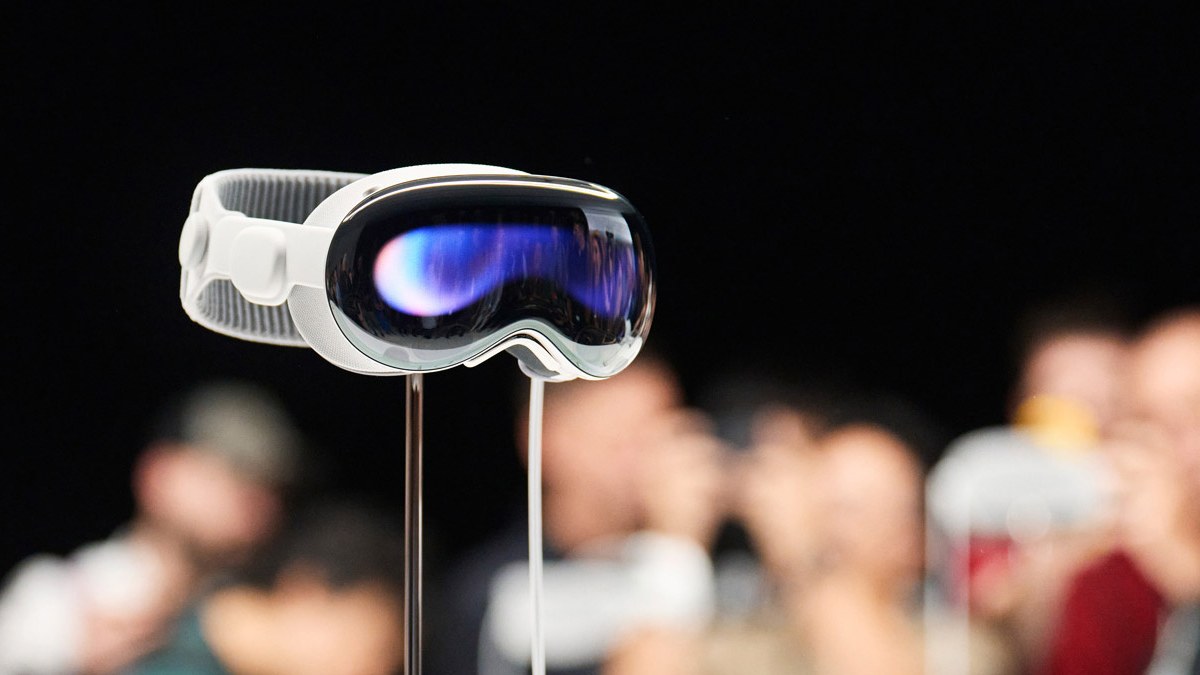
Apple has suspended development of a lower‑cost display destined for a lighter, more affordable Vision headset, and Samsung Display plans to formally terminate the project in September. The display effort, a glass‑substrate variant of micro‑OLED known internally as G‑VR, had been seen as the key to bringing an Apple XR device to a price point the mass market could stomach. Instead, the project began winding down earlier in 2026, and the component supplier is now fully walking away.
WHAT G-VR WAS MEANT TO BE
The technology was an improved version of the silicon‑substrate OLEDoS that powers today’s Vision Pro. G‑VR used OLED formed on a glass substrate rather than silicon, which could dramatically lower manufacturing costs. Samsung Display was targeting a density of roughly 1,600 to 1,700 pixels per inch for this panel, about half the 3,386 PPI of the Vision Pro’s display. In exchange for that resolution drop, Apple would have gotten a lighter, cheaper headset that maybe people would actually wear for more than a demo.
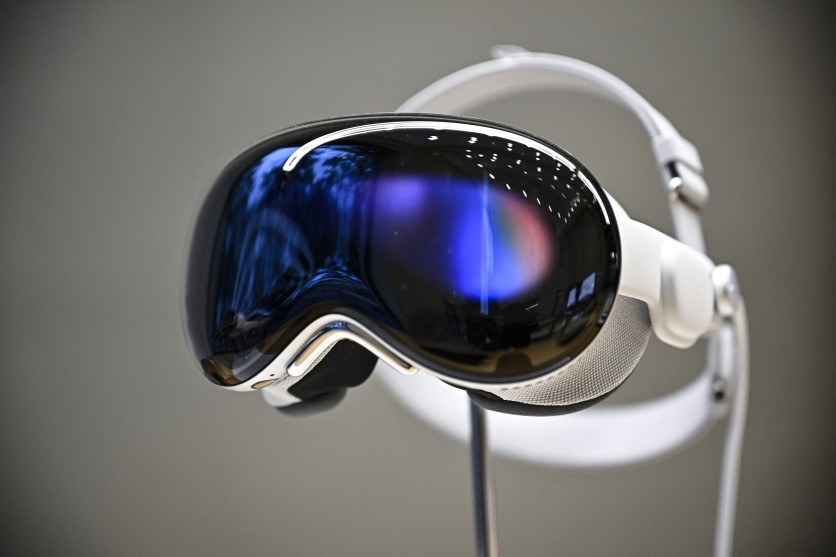
Mass production for the cheaper headset had been expected sometime after 2028. That was the timeline before the project began to stall. Bloomberg previously reported that Apple had paused work on this wearable, which was codenamed N100. A subsequent May 2026 report claimed that the cheaper headset had been canceled outright. Now the supply chain is confirming the end.
WHY THE PLUG GOT PULLED
Apple’s internal strategy has shifted hard toward AI‑powered smart glasses, and that pivot drained the momentum behind the lower‑cost XR display. When the company sees glasses as the long‑term wearable form factor, investing in a mid‑tier headset that would still sit on your face like a pair of ski goggles starts to feel like a detour.
Samsung Display will continue developing OLEDoS technology for other products, but it is done with the G‑VR effort. The decision to scrap a component that had been considered a likely candidate for Apple’s cheaper device is the strongest signal yet that the affordable Vision headset is not going to happen any time soon, if ever.
WHAT THIS MEANS FOR VISION-PRO'S FUTURE
Apple still sells the M5‑powered Vision Pro with its 23‑million‑pixel display system and $3,499 starting price. The existing headset remains alive for now, but its shelf life depends on whether Apple can find a path to a more accessible price point without the cheaper display that was supposed to get it there. Without G‑VR, any cost‑down version would either have to use the expensive silicon‑based OLEDoS (which defeats the purpose) or wait for a completely different display technology to mature.
This is the latest sign that Apple’s cheaper headset has run into trouble. The company has made no public announcement about cancelling the headset, and it does not typically confirm product roadmaps until launch. But the supply chain rarely lies. When the display partner stops developing the screen, the device that was supposed to use it evaporates.
THE MARKET REALITY
The Vision Pro was always a first‑gen showcase, not a volume product. What Apple needed was a follow‑up that brought the price down and the weight down enough to convince people that spatial computing was a daily tool, not a demo‑room curiosity. The N100 project was that follow‑up. Without it, the company’s XR ambitions are effectively stuck at the luxury tier, competing with nothing but its own hype.
The shift toward AI smart glasses makes strategic sense in the abstract. Glasses that deliver notifications and context without blocking your view are technically more natural than a full‑immersion headset. But they are also a fundamentally different product category. Abandoning the cheaper headset does not mean Apple wins at glasses. It means the company is betting on a still‑unproven form factor while leaving the moderate‑price headset market unserved.
WHAT COMES NEXT!
Samsung Display will redirect its OLEDoS R&D toward other customers and other applications. For Apple, the immediate path is to keep selling the Vision Pro at its current price until something changes. The cheaper Vision headset is not officially cancelled in any press release. But when the sole display supplier cancels the contract, the device ceases to exist. Apple’s spatial computing revolution will remain a luxury hobby for the foreseeable future.
what did you make of it?
more from ai
ai
TSMC ADDS $100 BILLION TO ARIZONA CHIP BET, TOTAL HITS $265 BILLION
The additional investment will build at least four more 2nm fabs and advanced packaging, bringing the company's total US commitment to $265 billion.
ai
META WILL ALERT PARENTS IF TEENS DISCUSS SUICIDE WITH META AI
The opt-in feature flags self-harm references in chatbot conversations, with human review before any notification is sent.
ai
ROBLOX'S "BUILD" LETS ANYONE MAKE A GAME FROM THEIR PHONE WITH AI
The new toolset, launching July 28, turns text prompts into playable experiences and puts game creation on iPhone and iPad.
ai
ZOOX REALLS ENTURE ROBOTAXI FLEET OVER SMOKE DETECTION FAILURE
A robotaxi drove into an active fire scene obscured by smoke. NHTSA called emergency scenes not edge cases.