NEW JERSEY BILL FORCES LIDAR ON ROBOTAXIS, TESLA FIGHTS BACK
A proposed pilot program requires cameras plus two additional sensors, which would effectively block Tesla’s camera-only approach.
by editor6 min readcomments soon
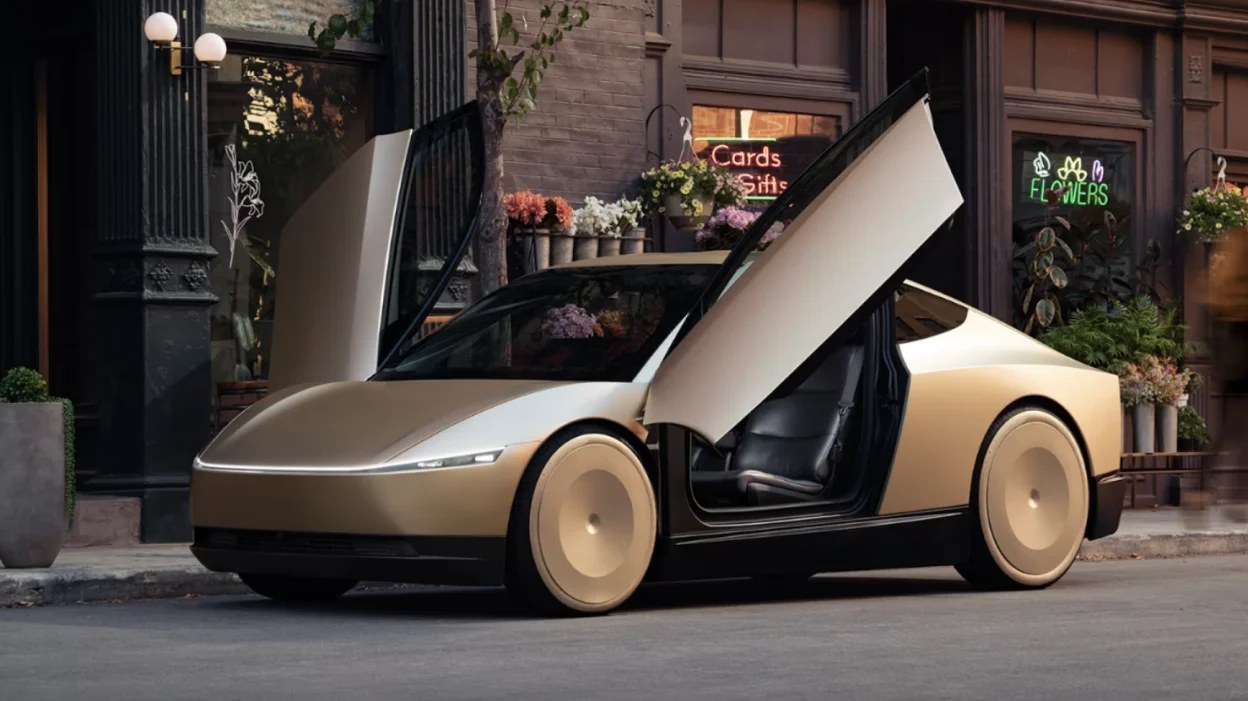
New Jersey is about to become the test case for whether states will force autonomous vehicle companies to carry lidar or let them run on cameras alone. A bill advancing through the legislature, S1677, would create a three-year pilot program for fully driverless commercial vehicles. To operate without a human safety monitor, a car would need cameras and two additional sensor types. In practice, that means radar and lidar, the spinning laser sensors Musk has called a "fool’s errand" and insisted "anyone relying on LiDAR is doomed."
Tesla is fighting back hard. The company posted on its website that the restrictions are so severe that its autonomous vehicle technology could not legally operate in New Jersey. Tesla urged customers to contact local representatives and oppose the bill. Within a single day, roughly 4,000 protest emails flooded the office of the bill’s sponsor, State Senator Andrew Zwicker. Zwicker, a physicist at the Princeton Plasma Physics Laboratory who sponsored the bill after riding in a Waymo in Phoenix, pushed back: "This is not anti-Tesla. I’m pro-New Jersey safety"
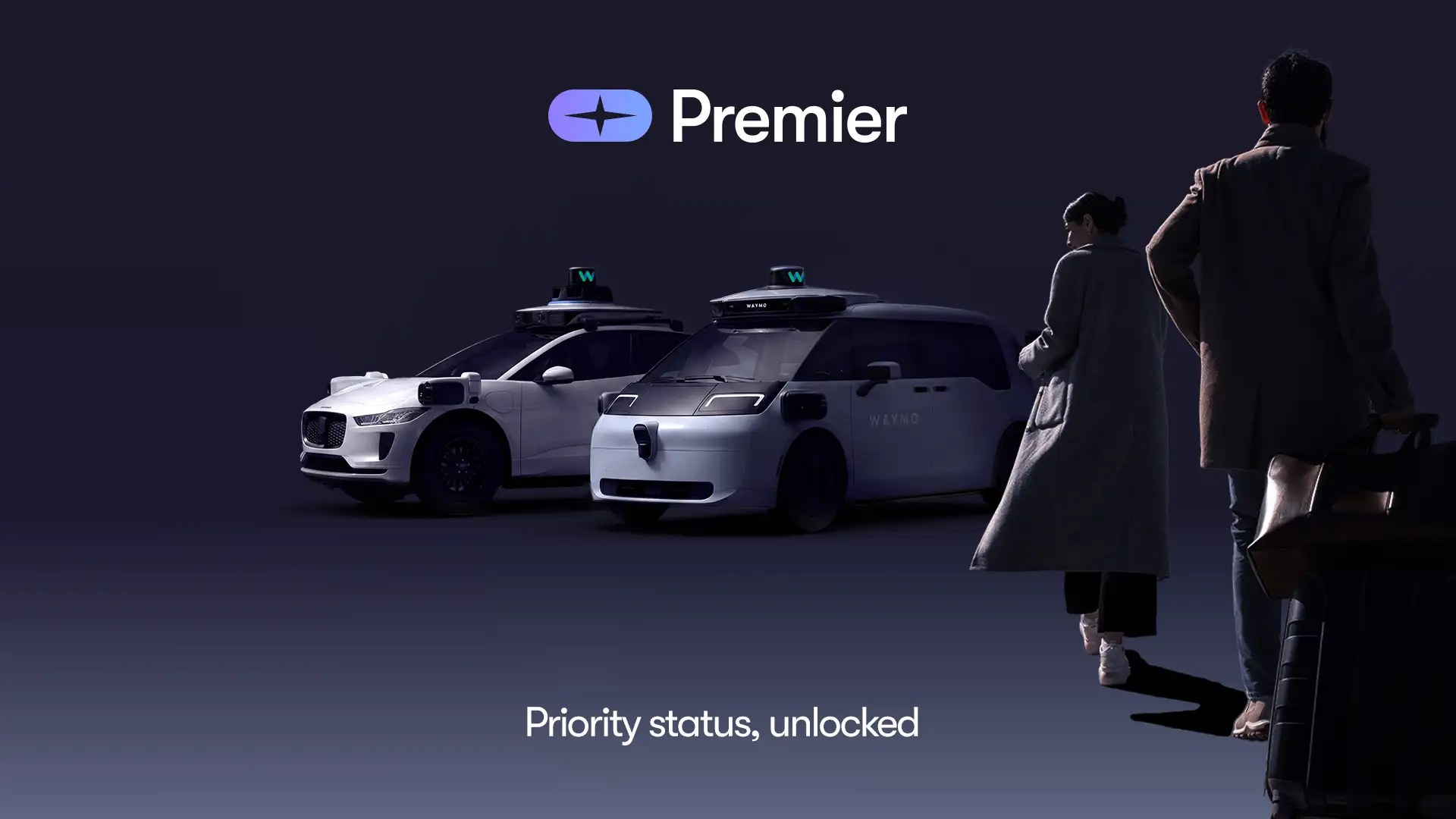
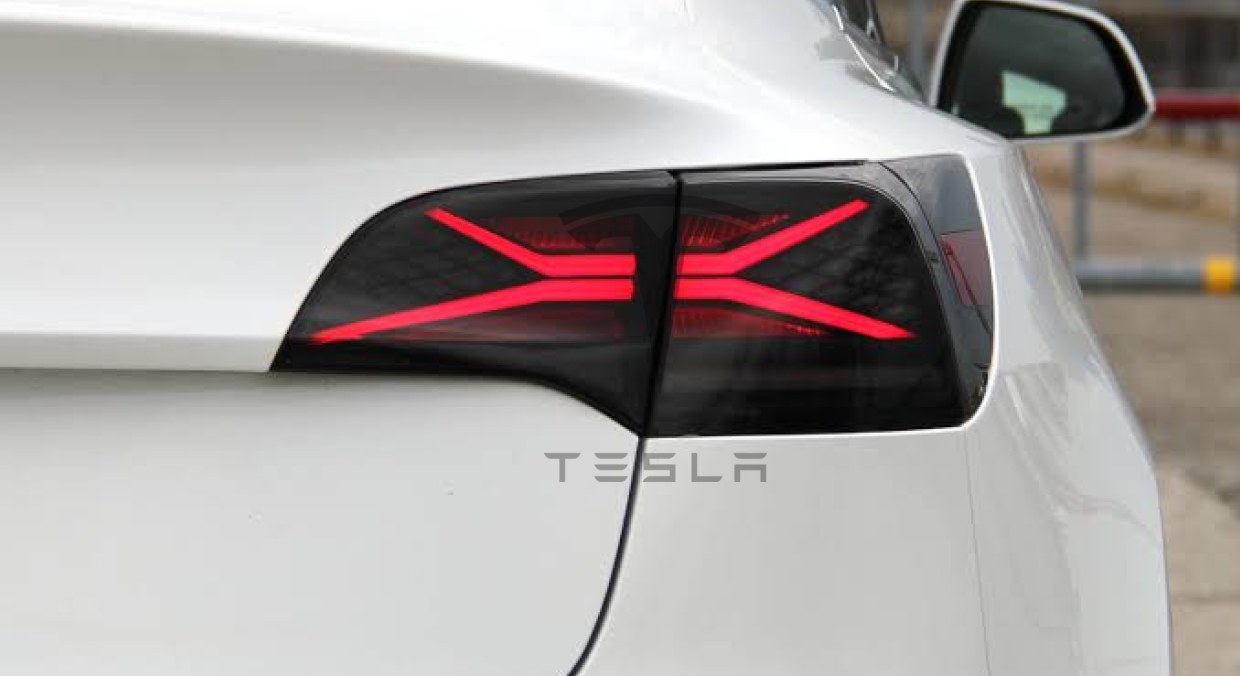
The clash is not really about a single state. It is about a widening gap between what Musk has promised and what his company has delivered, and about whether regulators should accept a single-sensor strategy when every other major player uses three.
WHAT THE BILL IS ABOUT
S1677 sets up a three-year pilot with concrete requirements. Companies must complete 50,000 miles of supervised testing on New Jersey roads without a major incident before they can remove human safety monitors. Fully driverless vehicles must be equipped with cameras plus two other sensing technologies. The bill favours retaining traditional controls like a steering wheel and pedals, which would exclude the Tesla Cybercab, a vehicle Tesla is already mass-producing with no steering wheel at all.
The framework mirrors recommendations from SAVE-US, a nonprofit pushing for tighter autonomous vehicle oversight. Zwicker has clarified that the bill only targets fully driverless commercial fleets and does not touch consumer features like Autopilot or Full Self-Driving. But if it passes, any company wanting to operate a robotaxi fleet in New Jersey will need lidar and radar on board.
TESLA'S SENSOR-ONLY BET
Musk has staked his entire autonomous strategy on vision. He wrote on X in March 2025 that "People don’t shoot lasers out of their eyes to drive" and added, "Just try Tesla self-driving today, which just uses cameras and AI, and you will understand." Last August, he argued that lidar and radar reduce safety because of sensor contention: "Lidar and radar reduce safety due to sensor contention. If lidars/radars disagree with cameras, which one wins?"
The argument has rhetorical appeal. Humans drive with two eyes and a brain, so why shouldn’t a car? But the human brain is a 1.5 kilogram organ with billions of years of evolutionary refinement behind it. A camera-based neural network is not that, and the operating conditions of a car at highway speed in fog or heavy rain are not the same as a sunny day in Phoenix. Lidar and radar work in conditions where cameras struggle, and they provide independent data streams that can cross-check against each other. Waymo and Zoox already use cameras, radar, and lidar. Competitors have built fleets that operate without human safety drivers across 11 US metro areas.
THE GAP BETWEEN PROMISE AND REALITY
Musk told investors in a July earnings call last year: “We’ll probably have autonomous ride-hailing in about half the population of the US by the end of the year.” A year later, Tesla’s Robotaxi service operates only in Texas and, more recently, Florida. Tesla has only a handful of unsupervised test vehicles on public roads, mainly in Texas.
Waymo, by contrast, operates a fleet of more than 3,500 driverless vehicles across 11 US metro areas. Zoox recently unveiled an updated self-driving vehicle. The gap in deployment scale is not an accident of regulation. It is a consequence of engineering choices. A camera-only system needs orders of magnitude more training data and edge case coverage to match the redundancy that lidar and radar provide as a baseline. That data collection has not kept pace with Musk’s timelines.
The New Jersey bill is not the only one. New York is considering a similar requirement. Congress has debated national self-driving rules for years without producing a framework, leaving states to build a patchwork. If a critical mass of states adopt sensor redundancy requirements, Tesla’s market for unsupervised driving will shrink to the places that permit camera-only operation. That is a real business risk.
WHAT TESLA'S REACTION TELLS US
Tesla’s claim that the bill specifically bans it from the New Jersey market is technically correct. If you only make vehicles without lidar and radar, and a law requires lidar and radar, you cannot operate. But the framing is deceptive. The bill does not name Tesla. It sets a safety standard that every other major robotaxi operator already meets. Waymo and Zoox already use cameras, radar, and lidar. The bill would let them operate tomorrow. Tesla chose not to include those sensors. That is a design choice, not a ban.
The flood of protest emails suggests Tesla is treating this as an existential regulatory threat. The company mobilises its customer base aggressively. But the immediate effect may be the opposite of what Tesla wants. When a state senator gets 4,000 angry emails in one day about a safety bill, it tends to draw attention to the fact that the company opposing the bill is the only one that refuses to add basic sensor redundancy.
WHAT HAPPENS NEXT
The bill is still advancing. Zwicker has made clear it is not anti-Tesla, but pro-New Jersey safety. If it passes, Tesla has two options: add lidar and radar to its vehicles for New Jersey, or stay out of the state. Adding sensors would be expensive and would undermine the entire narrative Musk has built around vision-only autonomy. Staying out would cede one of the most densely populated states in the country to Waymo and Zoox.
Meanwhile, the gap between Musk’s timelines and reality continues to widen. He promised hundreds of thousands of autonomous Teslas by 2026. Today the company has a handful of test vehicles and a robotaxi service that barely extends beyond two states. The New Jersey bill is a regulatory reckoning for a company that has spent years promising self-driving everywhere while delivering it almost nowhere.
what did you make of it?
more from ai
ai
TSMC ADDS $100 BILLION TO ARIZONA CHIP BET, TOTAL HITS $265 BILLION
The additional investment will build at least four more 2nm fabs and advanced packaging, bringing the company's total US commitment to $265 billion.
ai
META WILL ALERT PARENTS IF TEENS DISCUSS SUICIDE WITH META AI
The opt-in feature flags self-harm references in chatbot conversations, with human review before any notification is sent.
ai
ROBLOX'S "BUILD" LETS ANYONE MAKE A GAME FROM THEIR PHONE WITH AI
The new toolset, launching July 28, turns text prompts into playable experiences and puts game creation on iPhone and iPad.
ai
ZOOX REALLS ENTURE ROBOTAXI FLEET OVER SMOKE DETECTION FAILURE
A robotaxi drove into an active fire scene obscured by smoke. NHTSA called emergency scenes not edge cases.