GWYNNE SHOTWELL DONATES $324MN SPACEX STOCK TO TRUMP ACCOUNTS
The gift targets 2 million children aged 11 to 17 in lower-income families, days after Trump said he expected Elon Musk to contribute.
by editor6 min readcomments soon
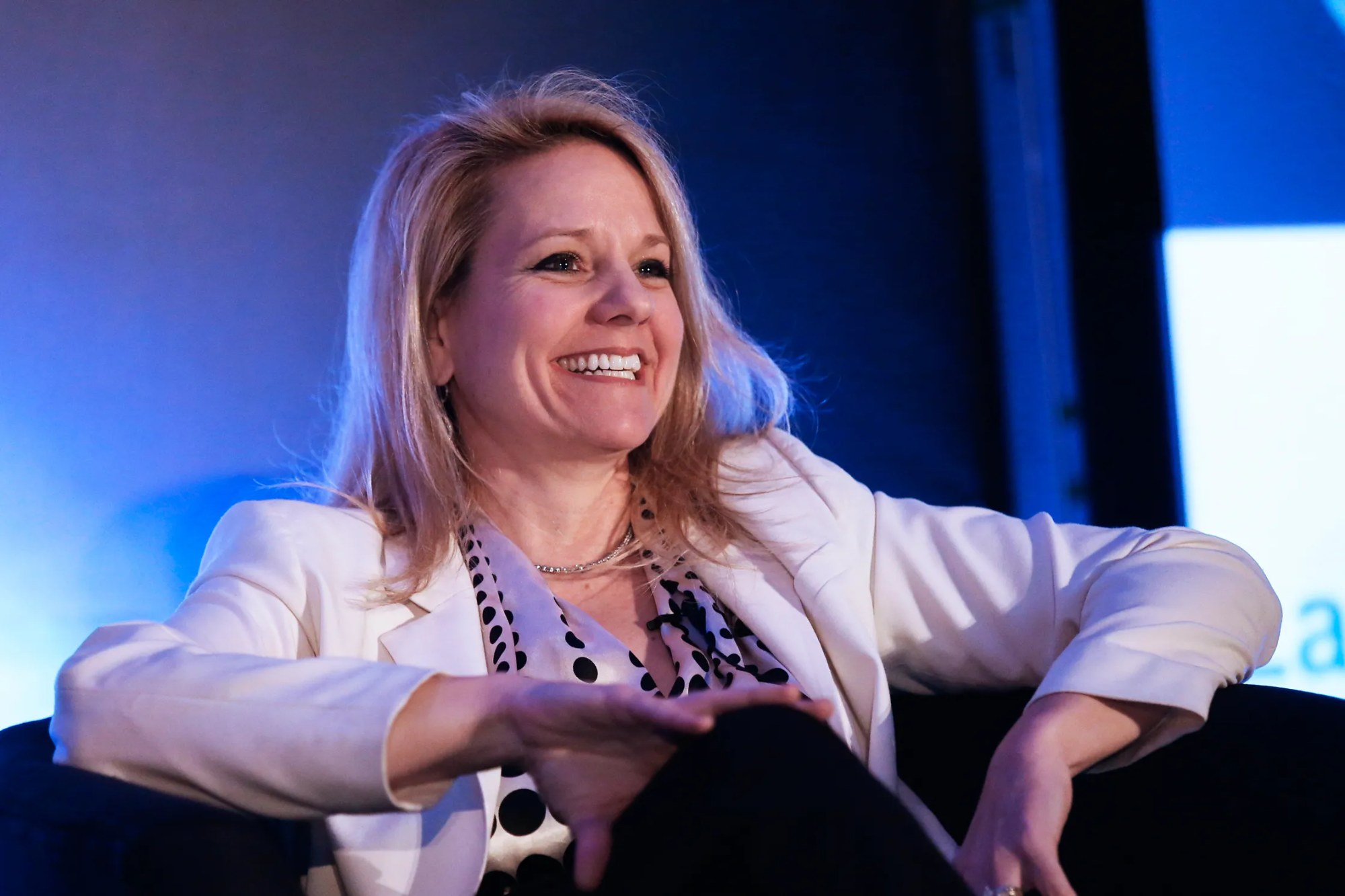
SpaceX president Gwynne Shotwell is donating more than $324 million of her SpaceX stock to Trump Accounts for 2 million children. The gift, made alongside her husband, targets children aged 11 to 17 whose households fall below average income thresholds, with a geographic lean toward families near the couple's home in central Texas. Barron's valued the pledge at over $324 million based on a closing price of $162 per share ahead of the holiday weekend.
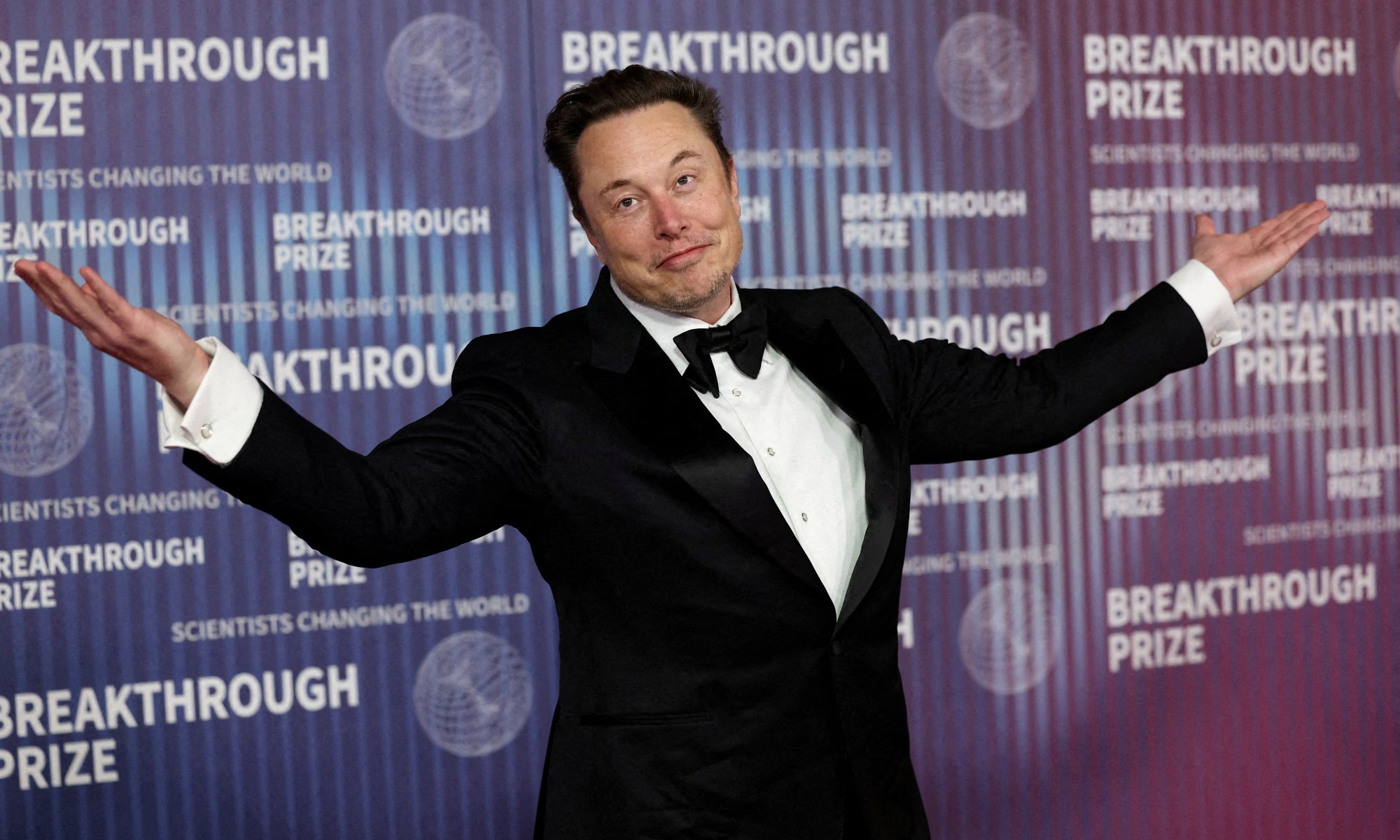
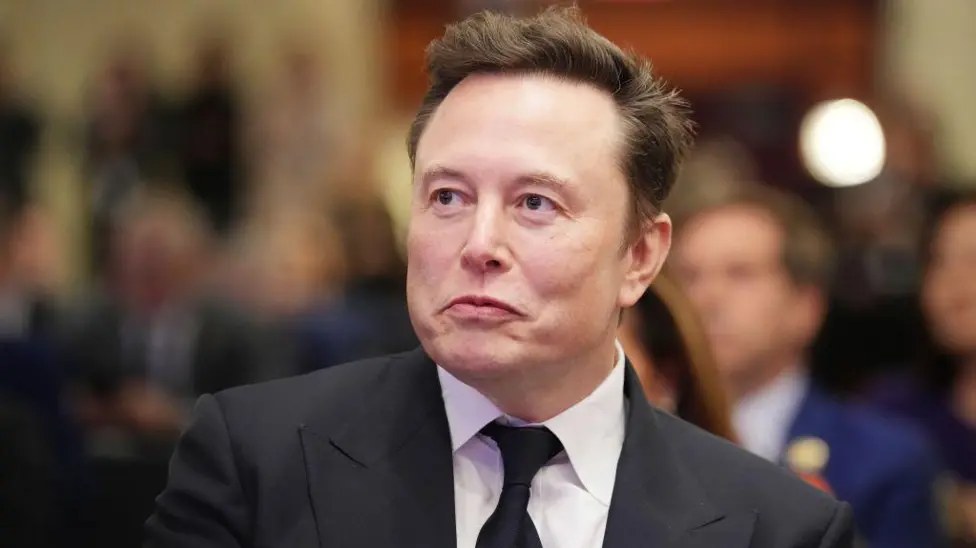
The announcement lands days after President Donald Trump said during a CNBC interview that he expected SpaceX CEO Elon Musk to donate company stock to Trump Accounts. Neither Musk nor SpaceX have weighed in publicly. Trump described his relationship with Musk as strong, calling their past disagreement a "little dispute" over electric vehicle policy. The timing makes Shotwell's move hard to ignore: the CEO's top lieutenant stepped in where the CEO didn't.
Shotwell is one of SpaceX's largest individual shareholders, with a stake worth roughly $2.4 billion after the company's record-breaking IPO last month. IPO filings showed she owned about 12.6 million shares. The pledged stock represents a significant fraction of her holdings but leaves her with most of her wealth still tied to the company. She is not liquidating; she is transferring shares directly into the accounts.
THE PROGRAM
Trump Accounts, formally 530A tax-advantaged accounts, opened for contributions on Monday. The New York Stock Exchange and Nasdaq rang their opening bells from the Oval Office to mark the occasion. Eligibility extends to any American child under 18 who holds a Social Security number. Children whose birthdays fall within the 2025-to-2028 window receive a $1,000 deposit from the Treasury at the outset. Once the account holder reaches adulthood at 18, the vehicle shifts into a retirement-oriented structure. At launch, all contributions are invested in the State Street SPDR Portfolio S&P 500 ETF.
More than 6 million children were enrolled as of early June. The combination of government seed money and private donations has turned the program into a test of whether targeted financial vehicles can narrow the generational wealth gap.
Shotwell joins a growing list of backers. The Dell family committed $6.25 billion in December, aimed at supporting children age 10 or under in ZIP codes with a median income of $150,000 or less. Micron Technology pledged $250 million, which includes seed deposits for children in communities where the company operates. A cohort of major employers, including BlackRock, Intel, JPMorgan Chase, and Robinhood, have committed to doubling the Treasury's opening $1,000 contribution for certain eligible children of their employees.
Shotwell's focus on older children (11 to 17) is a notable departure from the Dell approach, which targets kids ten and under. The program is designed to accept contributions at any point, and the account structure allows the stock to grow tax-deferred until retirement. For a teenager, that is decades of compounding.
THE MECHANICS
Exactly how the stock transfer will be executed is an open question, The Wall Street Journal noted. Treasury guidance issued last week acknowledged that stock donations can flow into the accounts, yet offered no explanation of the mechanics, a notable gap given that the underlying statute mandates index-tracking investments. The shares must be converted into S&P 500 ETF holdings at some point, and the valuation for tax purposes is unclear with a company stock that trades infrequently.
SpaceX shares, after the IPO, are publicly traded, but the donation is happening while the stock is still relatively new to public markets. The guidance's silence on the conversion process means the Treasury, the account administrator, and Shotwell's team are effectively building the plane while flying it. Brad Gerstner of Altimeter Capital, who helped launch the program, said, "This is not a program, this is a platform. It is the largest unlock of direct philanthropy in the history of the country," and described the donation as an "It shows the flexibility of this platform".
Shotwell said in a statement, "We have been fortunate in our careers and hope this gift encourages the next generation to continue the journey of enabling humanity to live and fly amongst the stars". The language is aspirational, tying the donation to space exploration, but the vehicles are index funds, not SpaceX stock. The recipients will not hold rocket equity.
WHAT THE DONATION MEANS
The scale is historic. A single executive transferring $324 million in personal stock into the accounts of two million unrelated children has few precedents. It moves the program from a government-plus-corporate-matching model into something closer to a wealth-sharing experiment. The Dells' $6.25 billion dwarfs this, but that money is spread across many more children and is a family foundation commitment rather than a direct stock transfer.
The political context is impossible to separate from the substance. Trump publicly called for Musk to contribute. Musk stayed silent. Shotwell acted. Whether the donation would have happened absent the presidential nudge is unknowable. What is known is that the program benefits from every high-profile addition.
There is also a practical question: will other large SpaceX shareholders follow? If Shotwell's donation becomes a template, the program could absorb billions in private stock that otherwise would have remained in escrow or been sold for traditional philanthropy. The 530A structure is designed to hold assets until retirement, which means the gift is locked up for decades. That is both a strength and a limitation.
THE OPEN QUESTIONS
Three things are worth watching from here. First, how the Treasury clarifies the mechanics for accepting company stock. Without clear rules, other donors may hesitate. Second, whether the program's S&P 500 mandate gets amended to allow direct holding of stock like SpaceX, which would let donors give shares without forcing a sale. Third, whether other tech executives see this as a model for distributing wealth to children rather than to foundations.


Shotwell's move is generous by any measure, but it is also strategically placed. It satisfies a presidential ask, burnishes her own philanthropic profile, and puts SpaceX stock into the hands of families who can't afford to buy it. That last point is the one that matters most: the money is real, the accounts are real, and for two million kids, the account balance just went up.
what did you make of it?
more from business
business
APPLE RECLAIMS WORLD MOST VALUABLE COMPANY TITLE, NVIDIA BOTTLES IT
apple overtook nvidia during friday trading, extending a 23% year‑to‑date surge as investors reward its ai agenda and light capital spending.
business
RYAN COHEN'S GAMESTOP PIVOT: GAMES ARE 18% OF REVENUE AND FALLING
GTA6 goes digital-only, Sony ends physical discs, and GameStop's CEO says that's fine because the company now sells toys.
business
NOTEBOOKLM NOW GEMINI NOTEBOOK, ADDS CLOUD CODE EXECUTION
The research tool originally known as Project Tailwind drops the LM and gains a secure cloud computer for data analysis.
business
TSMC FACES ITS HARDEST QUARTER YET AS AI DEMAND MEETS MARGIN SQUEEZE
Record revenue and eps gains aren't the whole story. the costs of building the world's most advanced chip factories are starting to show.