WITH THE IPHONE AIR, APPLE PICKS WRONG MOMENT TO GET GOOD AT AI
The $999 thin phone gets exclusive Siri features just as Tim Cook warns that memory costs are the worst he's seen in 40 years.
by editor6 min readcomments soon

Apple just made its best case for the iPhone Air, and its worst case for the price of everything else, at the same time. The $999 single-camera device, powered by an A19 Pro chipset and 12GB of RAM, is the cheapest way into the iPhone lineup that gets the full next-generation Siri AI. That is the good news. The bad news is that the same AI data centre boom that makes those features possible is now driving component costs so high that Tim Cook told The Wall Street Journal that raising prices across Apple's product lineup is unavoidable this year.
The tension between those two facts is the actual story. Apple is selling a phone built for AI at the exact moment AI demand is making the phones more expensive to build.
THE AIR MAKES A BET
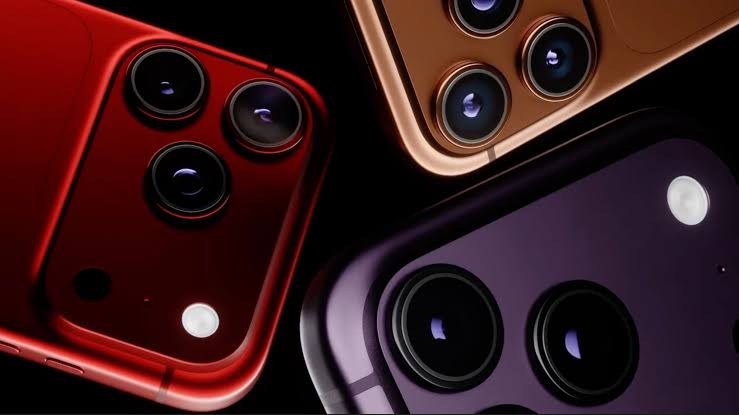
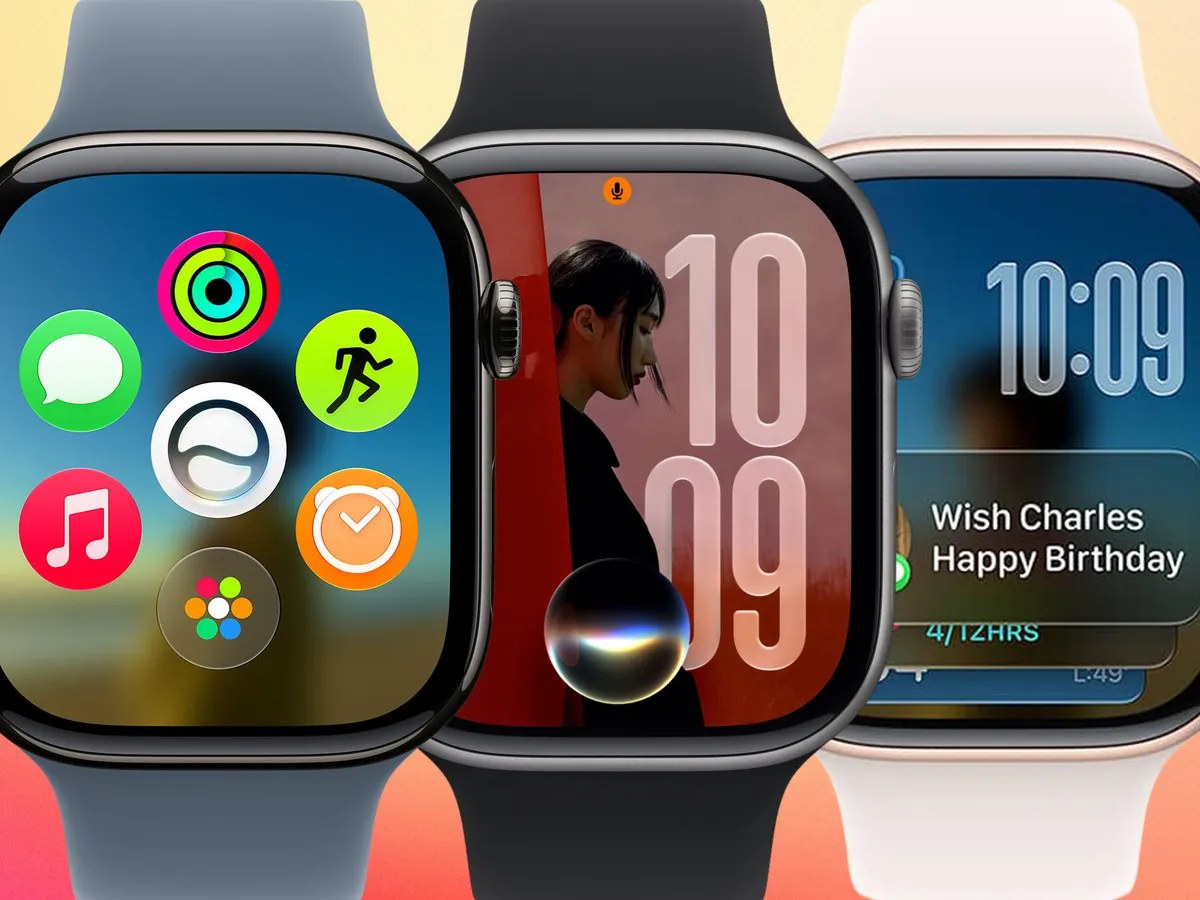
The iPhone Air costs $999, £999, or AU$1,799 and packs only a single camera. It is positioned as a thin, capable middle ground between the standard iPhone and the Pro line. What WWDC 2026 revealed is that the Air is also something else: a deliberate AI tier. The new Siri AI assistant, coming to all Apple Intelligence-compatible iPhones as part of iOS 27, will not be equally capable across all of them. Only the iPhone 17 Pro, the iPhone 17 Pro Max, and the iPhone Air will get Siri voice customisation and more advanced system-wide dictation.
Apple's official language on this is careful. It says "Apple’s most powerful on-device model and the features it enables, like expressive voices and more advanced dictation, are available on…" and then lists the three models. The hardware reasoning is straightforward: those devices have the A19 Pro or equivalent generation silicon that Apple's on-device AI model needs. Everyone who bought an iPhone can access all the features revealed at the 2024 announcement. But the small print on the page leaves the door open for more features to be made exclusive to the AFM Core Advanced model. The gap between model capabilities will only grow wider.
That means the iPhone Air will soon support more software features than any other non-Pro iPhone. It also means anyone who bought a 16 Pro or a 17 standard last year is now on the wrong side of a software wall that did not exist when they handed over their money. "Apple not supporting everything on their less than 2-year-old AI devices is insane," because the distinction between them was not made clear at purchase time for those devices.
THE MEMORY PROBLEM
The iPhone Air exists because Apple gambled that it could offer a midrange price point while maintaining its margins. That bet now faces its biggest challenge since the supply chain nightmares of 2020. The memory chip crisis has been ongoing for well over a year and has accelerated since the beginning of 2026. AI companies like Nvidia, Amazon, Google, Meta Platforms, and OpenAI are driving demand for the same RAM and storage chips that go into consumer devices. Memory makers have shifted manufacturing to favour AI server chips, creating shortages for the consumer market.
The impact is not hypothetical. Microsoft confirmed that it now pays four times as much for memory as it did late last year. The retail SSD market has almost vanished. Building PCs with DDR5 RAM has become virtually impossible. Smartphone shipments recently hit historic lows. Game consoles are nearing the $1,000 mark. PC manufacturers are resurrecting older hardware. The Nothing phone now has memory as the single largest component of its bill of materials.
Cook called the situation the worst price swing he has seen in his 40 years working in electronics, describing it as Apple's outsized supply chain muscle has mostly shielded it from the trend so far. The company recently released a $599 MacBook that sent shockwaves through the laptop industry, and it is expected to double production of the MacBook Neo. Apple has historically absorbed increased costs or cut entry-level devices to avoid passing costs to consumers. That policy, Cook said, is no longer sustainable.
WHAT GETS EXPENSIVE
Cook did not reveal which devices would see price increases or by how much. The Wall Street Journal estimated that base-model iPhones could rise by more than $200. The full extent of the damage is expected to become public when Apple unveils the iPhone 18 and the likely iPhone Ultra in September. Prices of Macs and iPads might rise sooner.
Even without the memory crisis, Apple's fall 2026 hardware lineup was already expected to be expensive. Experts estimate the foldable iPhone Ultra will start at no less than $2,000. The only other new iPhone debuting this year will likely be the iPhone 18 Pro. The standard iPhone 18 is not expected until 2027. The MacBook is also anticipated to receive an Ultra-tier device this year with a touchscreen and the M6 processor.
It remains unclear how or if Apple plans to maintain the MacBook Neo's record-low entry price of $599. Doubling production of that device while Cook warns of unavoidable price increases across the lineup is a contradiction that will resolve itself one way or another before the end of the year.
WHAT HAPPENS TO THE AIR
The iPhone Air exists right at the pivot point. It costs more than the entry-level iPhone but less than the Pros. Its value proposition was always that you get most of the good stuff without the Pro price tag. The exclusive AI features new to iOS 27 reinforce that pitch. But if the memory crisis pushes the Air past $1,099 or $1,199, the line between midrange and marginal starts to blur. A $1,199 single-camera phone that needs a Pro chip to run its best software but lacks the Pro hardware is a harder sell.
The broader picture is that Apple's product strategy and the commodity memory market are now on a collision course. The same AI boom that justifies the Air's AI exclusivity is making the chips inside it more expensive to source. Cook is correct that this is a hundred-year flood, but Apple chose to build its house on the riverbank right when the water started rising.
THE DATES MATTER
First, whenever Apple announces the next round of Mac and iPad pricing, which could come at any point in the next few months. Second, the September iPhone event, where the full pricing picture for the iPhone 18, iPhone 18 Pro, and iPhone Ultra will arrive alongside whatever final decision Apple makes about the Air's position. Third, in 2027, when experts expect memory costs to remain elevated beyond that point, the standard iPhone 18 will finally arrive.


The iPhone Air announcement and the Cook interview are two halves of the same message. Apple knows how to build great phones with AI that matter. It is not clear whether it knows how to price them in a world where AI has made the raw materials unaffordable.
what did you make of it?
more from consumer tech
consumer tech
GOOGLE ADDS YOUTUBE MUSIC, INSTACART & CANVA TO AI MODE SEARCH
Starting this week, US users can ask AI Mode to make a playlist, fill a grocery cart, or design a flyer without leaving the search…
consumer tech
ONEPLUS DEAD IN THE WEST, OPPO OVERLORDS PULL PLUG
The brand that built its reputation on has settled for leaving its biggest markets. Existing phones still work. New ones won't come.
consumer tech
GOOGLE PIXEL 10 PRO DROPS TO 699, BEST DEAL YET!
A $300 discount on the 128GB model undercuts Prime Day pricing and signals a clear runway to the pixel 11 launch.
consumer tech
APPLE RAISES APPLE ON BUNDLE FOR FAMILY AND PERMIER PLANS
the Family plan jumps $2 to $27.95 a month and the Premier to $39.95; Apple hasn’t explained the bundle increase beyond citing music licensing for…