SAMSUNG KILLS VASCULAR LOAD ON US WATCHES, AFTER LESS THAN A YEAR
The health metric introduced with the Galaxy Watch 8 will disappear with the next update, replaced by blood pressure trends.
by editor6 min readcomments soon
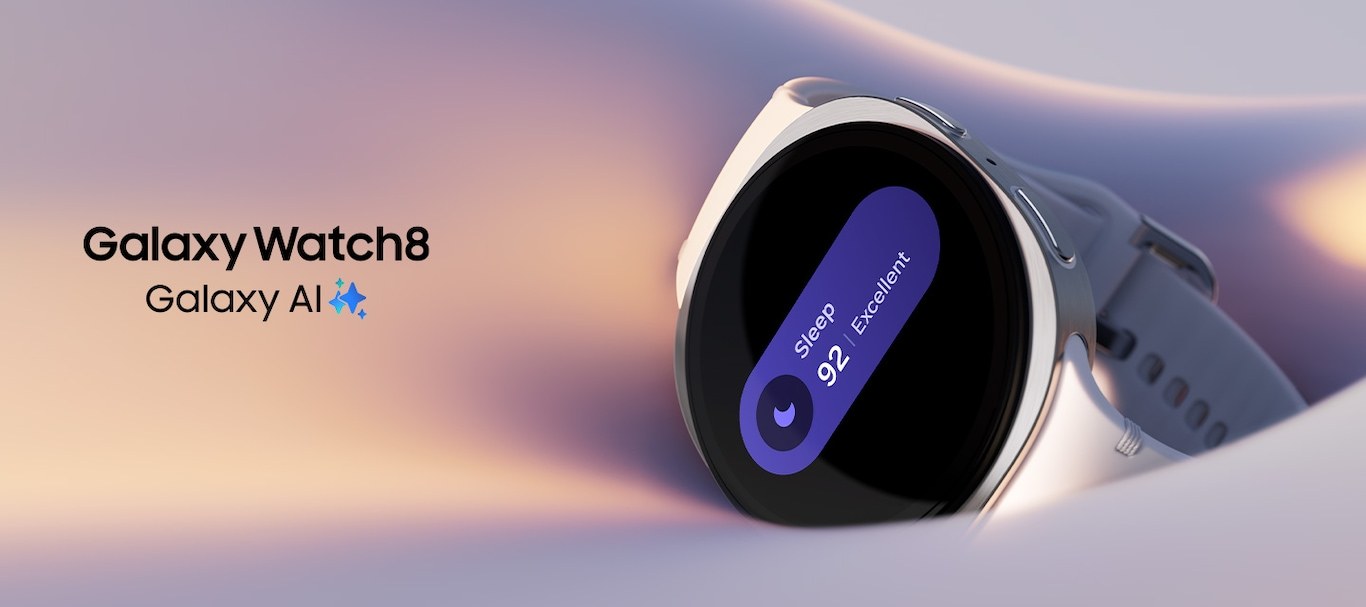
Samsung is pulling the plug on Vascular Load, the cardiovascular monitoring feature it introduced with the Galaxy Watch 8 at Galaxy Unpacked 2025. The change comes with the next major update, One UI 9 Watch (based on Wear OS 7) and Samsung Health 7.0, expected late July. But only US users lose access: the feature stays on outside the United States.
Vascular Load was pitched as a way to measure blood volume and vascular stiffness overnight. Samsung described it as reading PPG waveforms during sleep to measure blood volume, analyse stress on blood vessels, and help users fine-tune habits "While you sleep, [Galaxy Watch] reads Photoplethysmogram (PPG) waveforms – optical signals associated with blood flow during sleep. It measures blood volume and vascular stiffness and precisely analyses changes in stress on blood vessels. Because diet, stress, and rest all affect this metric, regular monitoring shows which habits to fine-tune and helps you cut cardiovascular risk before it takes hold." It was one of the few sleep-related health metrics that tried to go beyond snore detection and SPO2. Now it is gone, replaced by a different approach to the same problem.
Blood Pressure Trend, announced earlier this year for the US, is the replacement. It tracks periodic blood pressure readings and shows trends over time. Unlike Vascular Load, which ran passively during sleep, Blood Pressure Trend requires active calibration: every 28 days, users must check their blood pressure with a proper cuff to maintain accuracy. Samsung also says the feature is for wellness only "is for wellness only" and not for the diagnosis and treatment of any medical condition "not for the diagnosis and treatment of any medical condition".
WHAT CHANGES
The update lands as part of One UI 9 Watch and Samsung Health 7.0. When it hits in late July, Vascular Load data will stop being accessible in the Samsung Health app. Users who want to keep their history can download it manually through Samsung Health Settings > Samsung Health Information before the update. After that, the metric disappears from the watch and the phone app.
The change affects all Galaxy Watch owners in the US who used Vascular Load, regardless of which model they have. The feature was introduced with the Galaxy Watch 8. Now it is gone across the board. Outside the US, it remains available.
THE SILENCE IS THE LOUD PART
Samsung has not explained why it is removing Vascular Load. The company is notifying users through the Samsung Health app, but there has been no wider press release or blog post. That silence has created a vacuum, and online forums are filling it with speculation.
Commenters on Reddit and social media suspect FDA compliance is the driving factor. One user said the FDA often drags out approvals like this "the FDA often drags out approvals like this". The reasoning goes that Vascular Load made certain claims about cardiovascular risk and habit tracking that could be interpreted as medical advice. If Samsung could not secure or maintain FDA clearance for that framing in the US, replacing it with a more cautious, calibration-dependent metric would sidestep the regulatory problem while still offering cardiovascular insight.
Blood Pressure Trend is clearly designed to stay on the wellness side of the line. The 28-day calibration requirement ensures users are anchoring readings to a medical-grade device. The explicit disclaimer that it is for wellness only, not diagnosis, is the language of regulatory caution, not feature innovation.
WHAT USERS LOSE AND GAIN
Vascular Load had a quiet following because it worked in the background. You wore the watch to bed, woke up, and had a stiffness reading. No active involvement required. Blood Pressure Trend is a different user behaviour entirely: you have to take a reading with a cuff every month, and the watch needs that reference to produce meaningful trends.
The trade-off is that Blood Pressure Trend can show long-term direction changes more clearly than a single nightly stiffness number. A trend over weeks or months of readings, all anchored to cuff calibrations, is arguably more useful for tracking trends. But it requires compliance. People who bought a Galaxy Watch expecting passive health monitoring are now being told to add a manual step.
Samsung promises the new feature will include tips and tricks to maintain healthy habits, but that is thin compensation for losing a metric the company spent a keynote hyping.
WHY THIS LOOKS LIKE A RETREAT
Killing a flagship health feature less than a year after launch is unusual even by tech industry standards. Vascular Load was a headline differentiator for the Galaxy Watch 8 in a market where Apple Watch and Pixel Watch are the primary competitors. Removing it months later suggests the feature either failed the regulatory test, the accuracy test, or both.
If the problem was FDA approval, Samsung could have waited for clearance rather than building the feature around US users. The fact that it is pulling it now, months after launch, implies something changed. Either the agency pushed back harder than expected, or Samsung's internal legal team flagged a liability it had not anticipated.
Vascular Load remains available outside the US, while Blood Pressure Trend was announced for the US. That geographic split suggests Samsung is solving a US-specific regulatory problem, not a technical one. Vascular Load works fine everywhere else, so the feature itself is presumably sound. But the regulatory bar for health claims on wearables is higher in the US than in many other markets, and Samsung may have miscalculated how high.
WHAT COMES NEXT
Users who want to keep Vascular Load without switching ecosystems have no alternative. Samsung has not said whether it will ever return, and the tone of the in-app notification suggests the decision is final. Downloading your data is the only option for preserving your history.
Blood Pressure Trend is available on the upcoming Galaxy Watch 9 and will also work on existing devices after the update. Whether it gains traction depends on how willing users are to add a cuff calibration to their routine. If compliance is low, the feature will produce noisy data and become another abandoned health metric.

For now, Galaxy Watch owners in the US have a few weeks to decide whether to embrace the new system or to look elsewhere for the health insights they bought into. Samsung has made its choice, and it chose regulation over ambition.
what did you make of it?
more from consumer tech
consumer tech
GOOGLE ADDS YOUTUBE MUSIC, INSTACART & CANVA TO AI MODE SEARCH
Starting this week, US users can ask AI Mode to make a playlist, fill a grocery cart, or design a flyer without leaving the search…
consumer tech
ONEPLUS DEAD IN THE WEST, OPPO OVERLORDS PULL PLUG
The brand that built its reputation on has settled for leaving its biggest markets. Existing phones still work. New ones won't come.
consumer tech
GOOGLE PIXEL 10 PRO DROPS TO 699, BEST DEAL YET!
A $300 discount on the 128GB model undercuts Prime Day pricing and signals a clear runway to the pixel 11 launch.
consumer tech
APPLE RAISES APPLE ON BUNDLE FOR FAMILY AND PERMIER PLANS
the Family plan jumps $2 to $27.95 a month and the Premier to $39.95; Apple hasn’t explained the bundle increase beyond citing music licensing for…