APPLE WATCH SMASHES MARKET IN Q1 2026, SAMSUNG TUMBLES 28%
Apple’s shipments surged 21% while the rest of the market grew just 4%. The SE 3 and meaningful health upgrades widened the gap.
by editor5 min readcomments soon
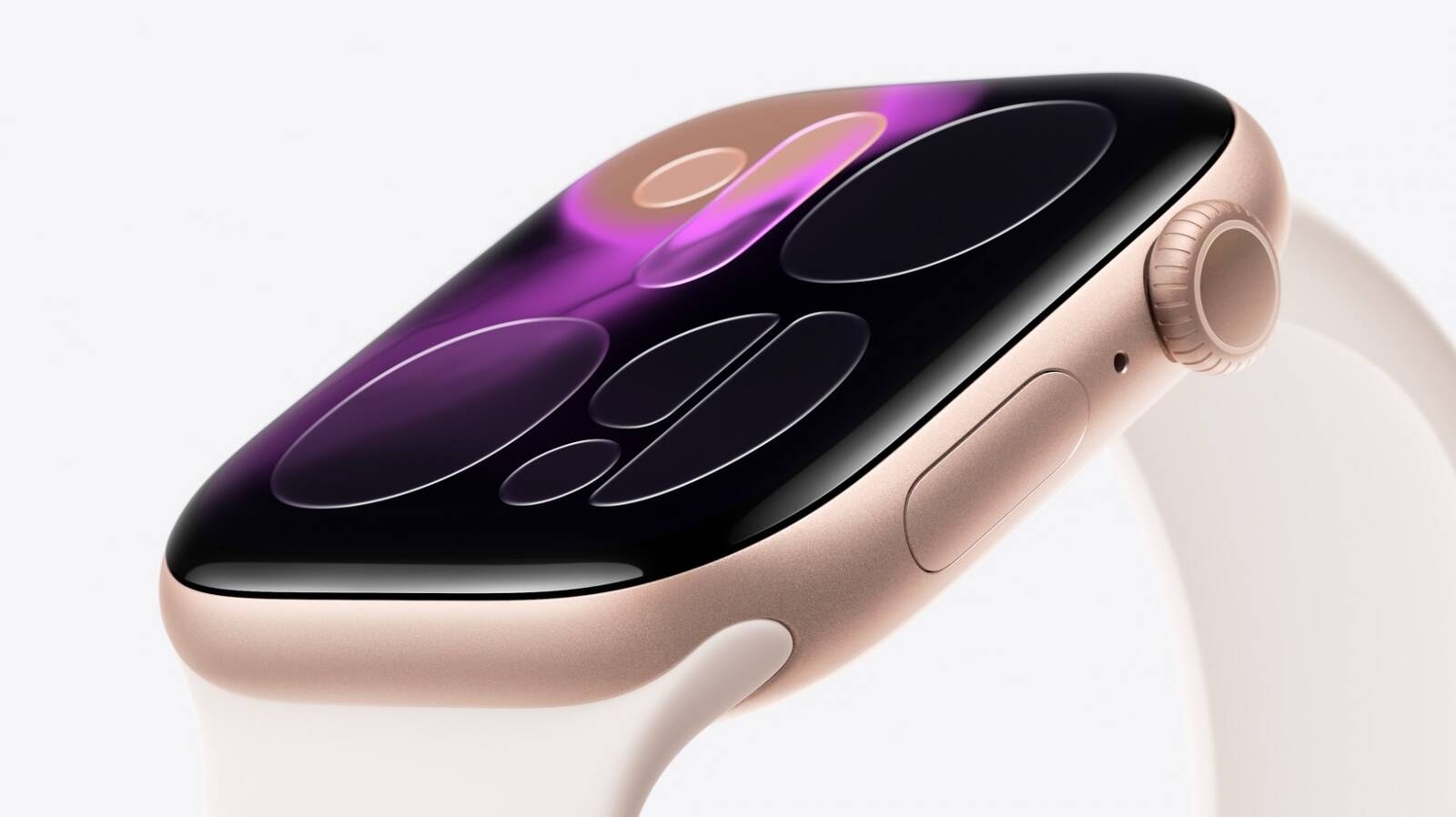
Apple Watch shipments blew past the rest of the smartwatch market in the first quarter of 2026, with Apple’s shipments climbing 21% year-on-year while the overall market managed just 4% growth. The result is a 23% global share for Apple, larger than any single competitor and a clear signal that the wearable segment is increasingly Apple’s to lose.
THE NUMBERS
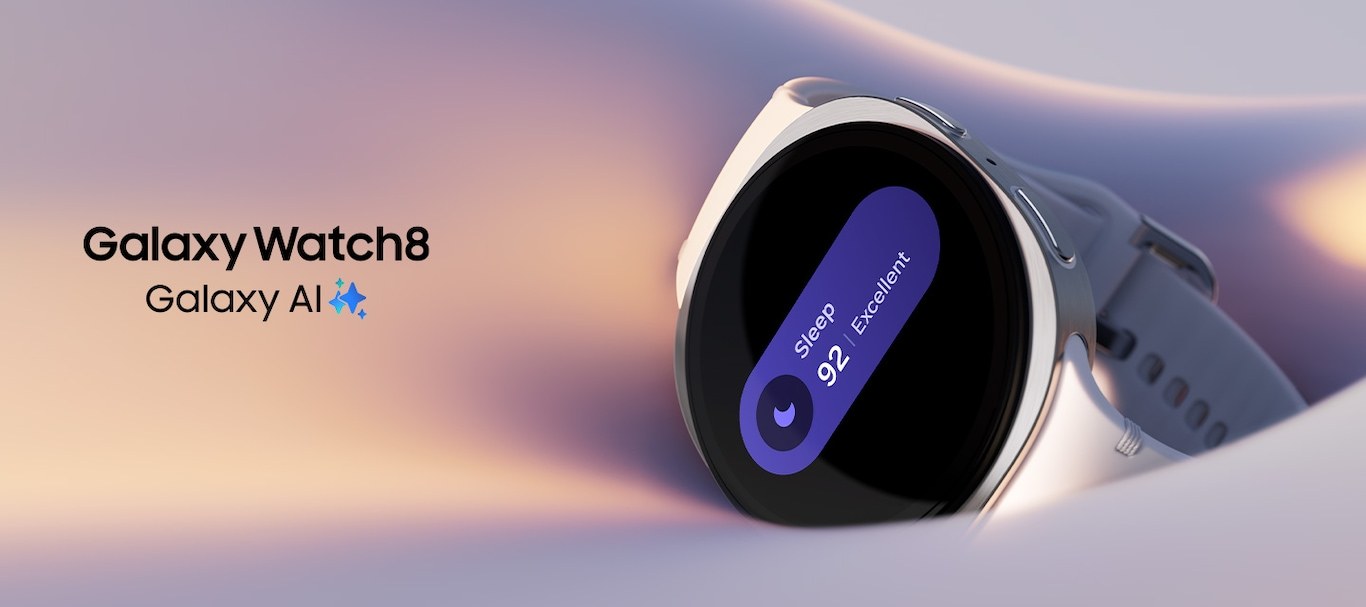
The global smartwatch market shipped 4% more units in Q1 2026 than the same period a year earlier, according to data from Counterpoint Research. Apple’s 21% surge stands out sharply against that tepid baseline. Huawei held onto second place with shipments up 12% and a 17% share. Xiaomi grew 9%, and Imoo posted a 2% increase. Samsung, the other name that casual buyers associate with the category, saw shipments plunge 28% and its market share drop by two percentage points.
The average selling price of smartwatches also rose 6% across the quarter. Counterpoint attributed that to "the integration of improved sensors and advanced technologies to support health monitoring and AI capabilities," as well as growing demand for more advanced models in emerging markets such as India. Unlike with smartphones, rising memory costs are expected to have a limited effect on smartwatch pricing because the bill of materials is lower.
WHAT DROVE APPLE'S MOVEMENT
Apple’s performance was broad-based but strongest in China and Europe. North America still accounted for more than half of total Apple Watch shipments, per Counterpoint analyst Anshika Jain. "North America contributed over half of the total shipments of Apple, China and Europe recorded the fastest growth for the brand." The combination of a strong home market and accelerating adoption in two of the world’s largest smartphone regions gave Apple a cushion against any single region slowing.
The product lineup itself probably explained the rest. Apple added what Jain called "addition of meaningful health upgrades and the affordable SE 3 attracted new buyers" during the period. The SE 3, launched at a lower price point, pulled in customers who had been waiting for a more affordable entry to the ecosystem. At the same time, the high-end models incorporated improved sensors for health monitoring and AI features that justified the rising average price.
WHY SAMSUNG FELL
Samsung’s 28% shipment decline is the most striking number in the report. The company has been a consistent number-two globally, but the first-quarter data suggests its lineup is not connecting with buyers the way it used to. The two-percentage-point loss of share is modest in absolute terms, but the velocity of the drop matters. A company that bleeds shipments at that rate for multiple quarters will find itself overtaken by Huawei or Xiaomi.
The fact set does not include Samsung’s reasoning for the decline, but the contrast with Apple’s momentum is hard to ignore. Samsung does not have a budget wearable as compelling as the SE 3, and it has not matched Apple’s health-sensor narrative in a way that drives upgrades. The Galaxy Watch series remains well-reviewed, but the market seems to be rewarding ecosystem lock-in and health depth more than general fitness.
WHAT THE RISING PRICES MEAN
The 6% increase in average selling price is a useful counter-signal to the narrative that wearables are becoming commodity items. Higher prices usually mean either that component costs are rising or buyers are choosing pricier configurations. In this case, both forces are at work: improved sensors and AI capabilities cost more to build, and consumers in markets like India are skipping the entry-level models and going straight to feature-rich ones.
For Apple, the rising ASP is pure margin upside. The company already captures a disproportionate share of industry profit in wearables, and a richer mix only deepens that. For Chinese brands like Huawei and Xiaomi, the higher price point is a signal that the race is shifting from low-cost volume toward premium features, which plays to their strengths in smartphone-derived hardware expertise.
WHO IS ACTUALLY GROWING GLOBALLY
Huawei’s 12% growth is solid, especially given the constraints it still faces in some markets due to US trade restrictions. Its 17% share suggests the brand is recovering momentum in wearables after a difficult stretch. Xiaomi’s 9% growth is steady but not spectacular; it remains a volume player without the same health-ecosystem pull. Imoo, a brand focused on children’s watches, grew only 2%, indicating that the segment may be maturing.
Every brand except Samsung is gaining, but Apple is gaining the fastest. That is the headline. The market is not shrinking or fragmenting; it is consolidating around the leader.
THE TAKEAWAY
The smartwatch market in Q1 2026 is a two-speed story: Apple in one lane, everyone else in a slower one. Even Huawei’s double-digit growth did not close the gap. Samsung’s collapse is the kind of quarter that triggers internal reviews, product shuffles, and likely price cuts. Xiaomi and Imoo are treading water.

The rising average price, combined with Apple’s shipment surge, suggests the premium segment is where the growth is. Budget models are not driving the market forward. Health monitoring and AI sensors are. If you are a competitor, you need to match Apple on those fronts or find a niche it does not care about. Most will fail at the first and settle for the second.
what did you make of it?
more from consumer tech
consumer tech
GOOGLE ADDS YOUTUBE MUSIC, INSTACART & CANVA TO AI MODE SEARCH
Starting this week, US users can ask AI Mode to make a playlist, fill a grocery cart, or design a flyer without leaving the search…
consumer tech
ONEPLUS DEAD IN THE WEST, OPPO OVERLORDS PULL PLUG
The brand that built its reputation on has settled for leaving its biggest markets. Existing phones still work. New ones won't come.
consumer tech
GOOGLE PIXEL 10 PRO DROPS TO 699, BEST DEAL YET!
A $300 discount on the 128GB model undercuts Prime Day pricing and signals a clear runway to the pixel 11 launch.
consumer tech
APPLE RAISES APPLE ON BUNDLE FOR FAMILY AND PERMIER PLANS
the Family plan jumps $2 to $27.95 a month and the Premier to $39.95; Apple hasn’t explained the bundle increase beyond citing music licensing for…