META'S NEXT AI GLASSES, ARE FOR CREEPS?
The company is reportedly testing glasses that take photos every few seconds and can kill the privacy indicator it just added.
by editor5 min readcomments soon
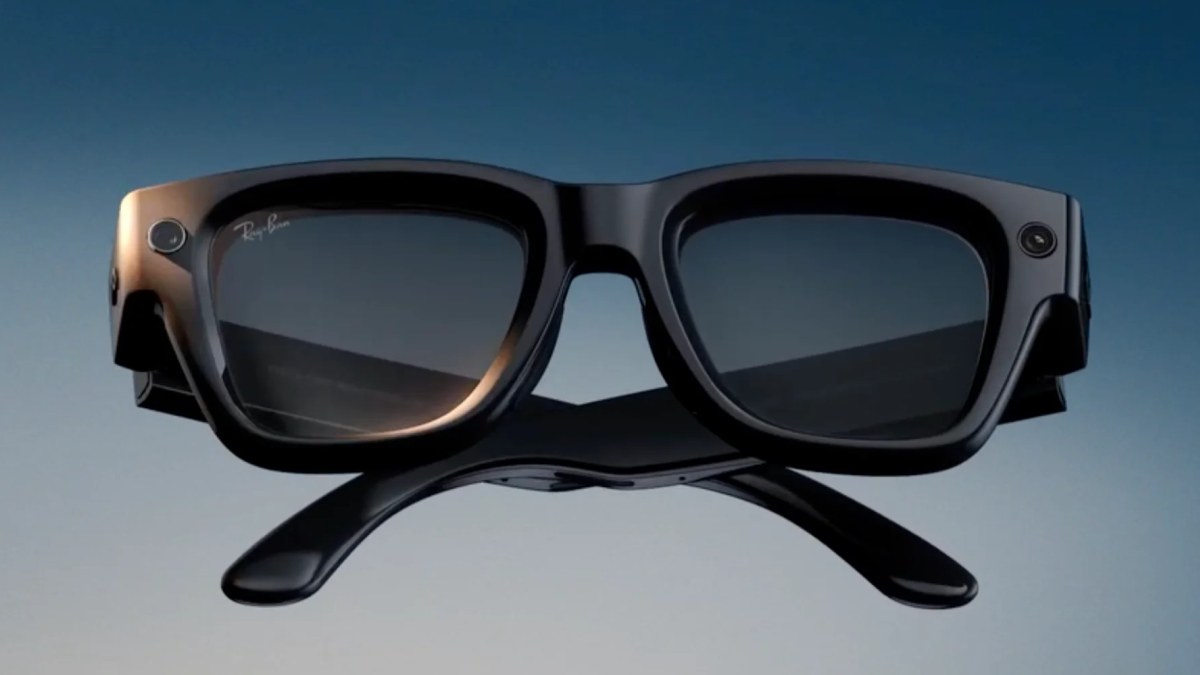
Meta is working on AI glasses that can record everything you see and hear all day long, and the little recording light that tells people you are watching them could be turned off while it happens. The prototype reportedly snaps photos every few seconds and records ambient audio, uploading only metadata (not raw files) so Meta's AI can answer questions about what you experienced. That same capability could come to existing Ray-Ban Meta glasses through a software update, according to a Financial Times report.
The timing is what makes this sting. Just yesterday, the author praised Meta's smart glasses privacy update (a mandatory recording LED) as a meaningful step forward for a product category that desperately needs user trust. That update was presented as a win for transparency. Now, internal prototypes suggest Meta is actively figuring out how to bypass that same light when a more powerful sensing mode is active. The message to anyone who put stock in the privacy gesture is blunt: the light is a feature, not a guarantee.


THE ABOUT-FACE
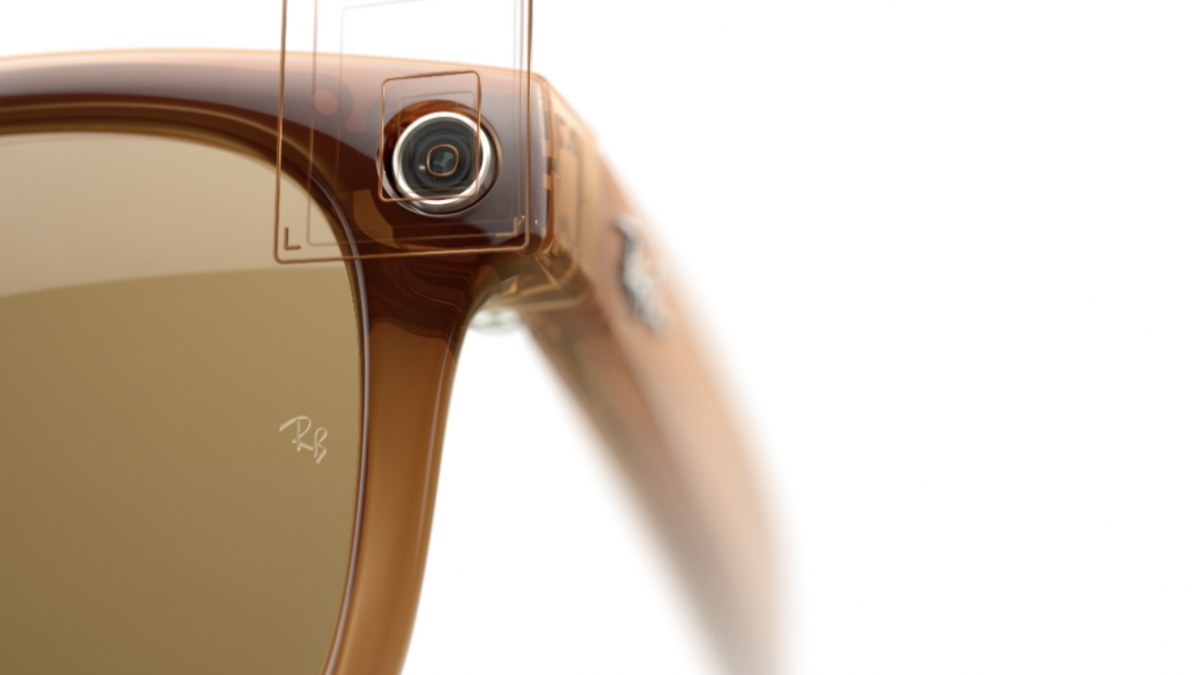
Meta added the mandatory recording indicator to its Ray-Ban glasses after widespread criticism that people could be filmed without consent. The indicator was a hardware-level LED that could not be disabled, a genuine privacy improvement that earned cautious praise. Making the light unskippable was the right call. It created a baseline of consent in public spaces where wearable cameras were always a question mark.
The prototype in development, which the FT describes as a mode, undoes that baseline. The glasses would record continuously, and the company is considering turning the LED off when the mode is active. The reversal is not accidental. It is a deliberate trade, visibility for capability, made at a moment when regulators and privacy advocates are still trying to understand what always-on wearables even mean.
HOW SUPER SENSING WORKS
The reported system does not preserve raw photos or audio on the device. Instead, the glasses upload metadata derived from those streams to Meta's cloud, where an AI model answers questions about the user's day: what they saw, who they talked to, what was on the whiteboard. The data is not stored locally, which reduces the risk of device theft exposing your entire visual history. But the metadata-itself, timestamps, scene descriptions, voice transcripts- is still a rich portrait of where you were and what you did.
The FT says Meta is also exploring whether that metadata could be used to train its AI models. The distinction between and is thin, and the report suggests both possibilities are on the table.
Existing Ray-Ban Meta owners could get these features without buying new hardware. The super sensing capabilities might arrive as an over-the-air software update, meaning the always-on mode could be activated on millions of glasses already in the wild. Meta declined to comment on internal prototypes, saying only that its products are built with privacy in mind.
THE LEGAL FOG IS TOO DENSE
Legal experts quoted in the report are already questioning whether existing wiretapping and biometric privacy laws cover this scenario. If a pair of glasses records everything and uploads metadata but not the raw footage, does that count as an interception under state wiretapping statutes? If the AI identifies someone's face from the metadata and logs the encounter, does that trigger Illinois' biometric information privacy act? The answers are not clear, because the laws were written before always-on personal cameras existed.
The lack of a visible recording indicator complicates consent. In the physical world, a blinking light says Turning that off for super sensing means people cannot know they are being recorded unless the wearer tells them. Consent becomes a social negotiation instead of a technical guarantee, and in practice most people will never negotiate.
ZUCKERBERG'S VISION
CEO Mark Zuckerberg has said AI glasses could one day replace the smartphone as the primary way people interact with AI assistants. The super sensing prototype is the infrastructure required to make that claim real. An assistant that does not record cannot answer questions about your morning meeting. Always-on sensing turns the glasses from a passive display into an active memory aid.
But the path from memory aid to surveillance device is shorter than Meta wants anyone to think. The same metadata that tells you what your colleague said about the project also tells you when they left, who they were with, and how long the conversation lasted. The architecture is not designed for abuse; it is designed for utility. Utility and abuse are often the same mechanism pointed in different directions.
WE REALLY HOPE THEY FIX IT BEFORE SHIPPING
The report is about internal prototypes and early thinking. Nothing has shipped, and Meta may not follow through exactly as described. The company has the option to keep the LED on even in super sensing mode, to limit recording bursts rather than continuous capture, or to offer the feature only on new hardware with clearer privacy markings.
But the fact that the work is happening at all tells you where the product trajectory is headed. Meta wants the glasses to know everything you know, and the only way to do that is to record everything you see and hear. The recording LED was a concession to public pressure. The super sensing mode is what happens when that pressure fades, and engineering ambition takes over.
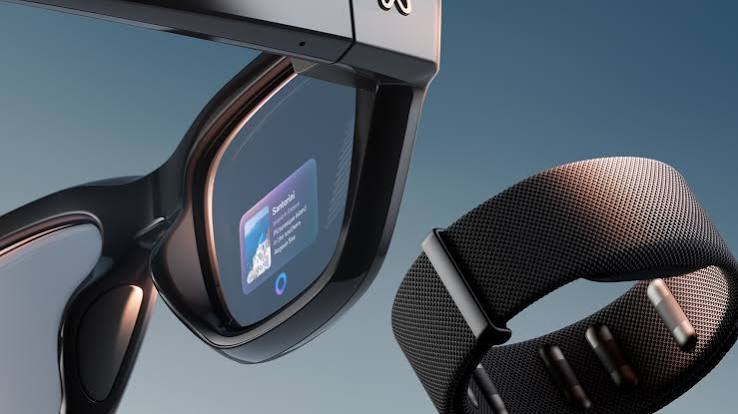

The author who praised the privacy update yesterday was wrong. Not about the update being good, but about believing it was the new normal. The light was never the finish line. It was a pause button that Meta may already be figuring out how to bypass.
what did you make of it?
more from ai
ai
TSMC ADDS $100 BILLION TO ARIZONA CHIP BET, TOTAL HITS $265 BILLION
The additional investment will build at least four more 2nm fabs and advanced packaging, bringing the company's total US commitment to $265 billion.
ai
META WILL ALERT PARENTS IF TEENS DISCUSS SUICIDE WITH META AI
The opt-in feature flags self-harm references in chatbot conversations, with human review before any notification is sent.
ai
ROBLOX'S "BUILD" LETS ANYONE MAKE A GAME FROM THEIR PHONE WITH AI
The new toolset, launching July 28, turns text prompts into playable experiences and puts game creation on iPhone and iPad.
ai
ZOOX REALLS ENTURE ROBOTAXI FLEET OVER SMOKE DETECTION FAILURE
A robotaxi drove into an active fire scene obscured by smoke. NHTSA called emergency scenes not edge cases.