TRUMP SAYS APPLE AND INTEL REACH A CHIP DEAL. REALITY IS MESSIER
The president announced Intel will make Apple silicon in the US. The companies haven't confirmed, and Intel's role will be limited.
by editor4 min readcomments soon
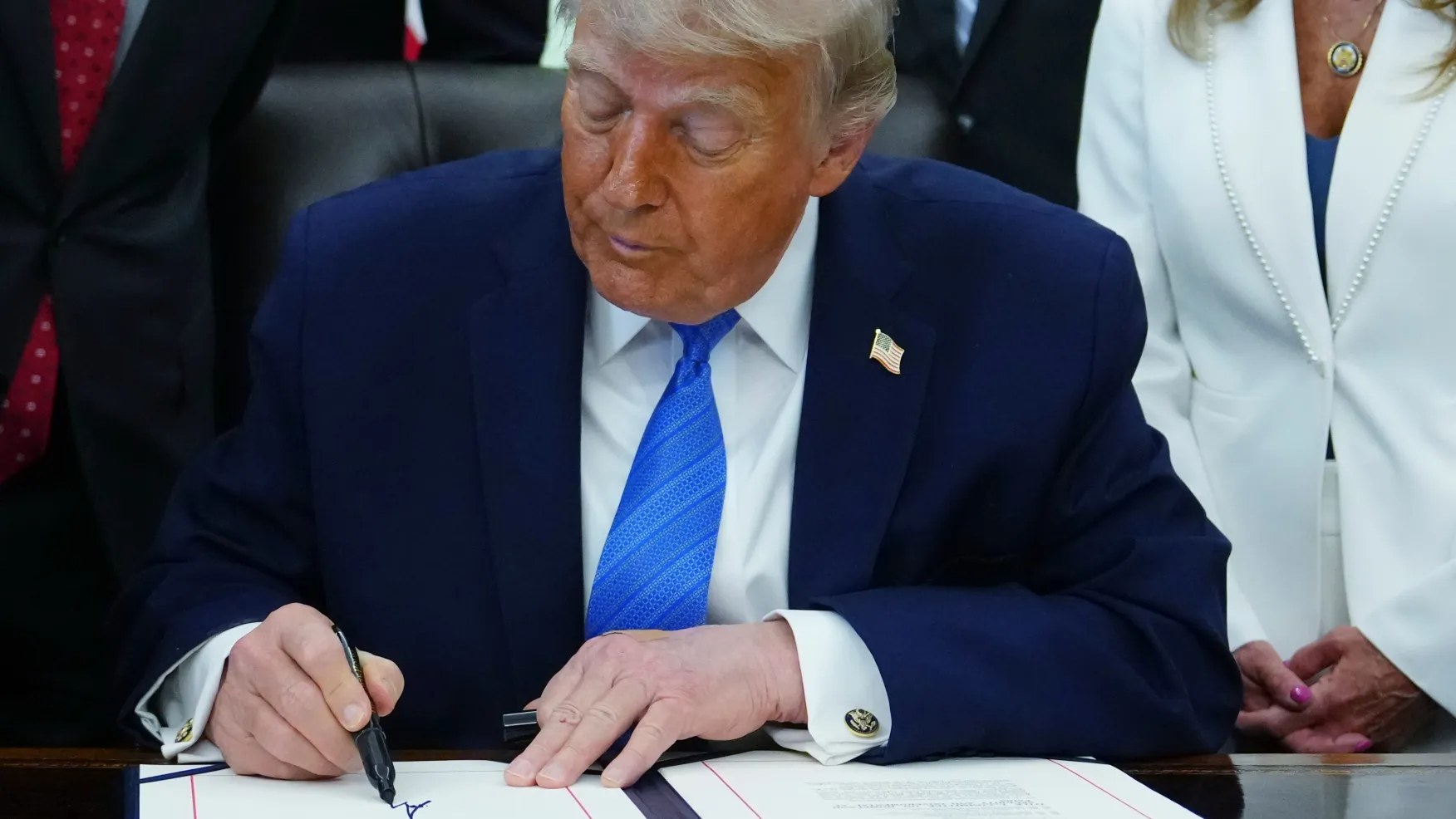
Donald Trump announced Tuesday that Apple has finalised a deal with Intel to design and manufacture chips in the United States. Intel stock surged 9% in pre-market trading within hours. The only problem: neither company has confirmed the partnership, and the president's version of events glosses over critical details about what Intel can actually deliver.
Trump wrote on Truth Social that his administration decided to help Intel in exchange for 10 per cent of its shares, likely pointing to the government's $8.9 billion investment in Intel common stock completed in August 2025. "We decided to help Intel in exchange for 10 per cent of their shares, He added that past leaders let Taiwan and others steal American semiconductor factories. "Stupid presidents took our economy for granted, and let Taiwan and others steal our semiconductor factories" The Wall Street Journal had previously reported that the two companies had reached some sort of agreement for Intel to produce chips for Apple devices in the US. Commerce Secretary Howard Lutnick reportedly spent a year repeatedly meeting Apple leadership to push the deal.

WHAT INTEL ACTUALLY GETS
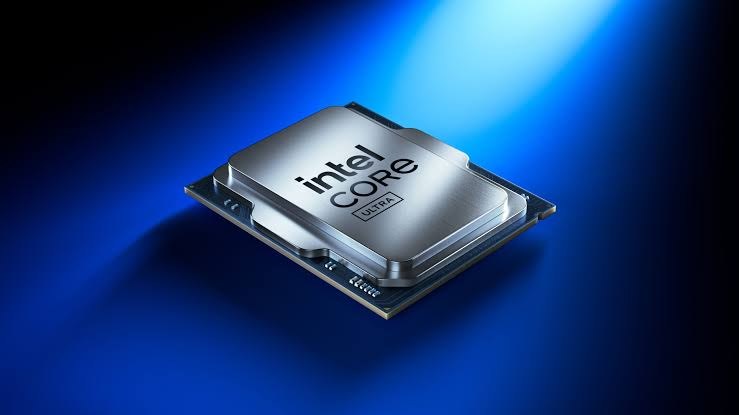
The breadth and depth of the agreement remain unclear. Analyst Ming-Chi Kuo reported that Apple has already started testing systems-on-chip built on Intel's 18A-P process. Intel will test production for Apple processors throughout 2026 before starting actual delivery. The company is expected to manufacture chips for both iPhones and Macs at its fabs in Oregon, Arizona, and Ohio.
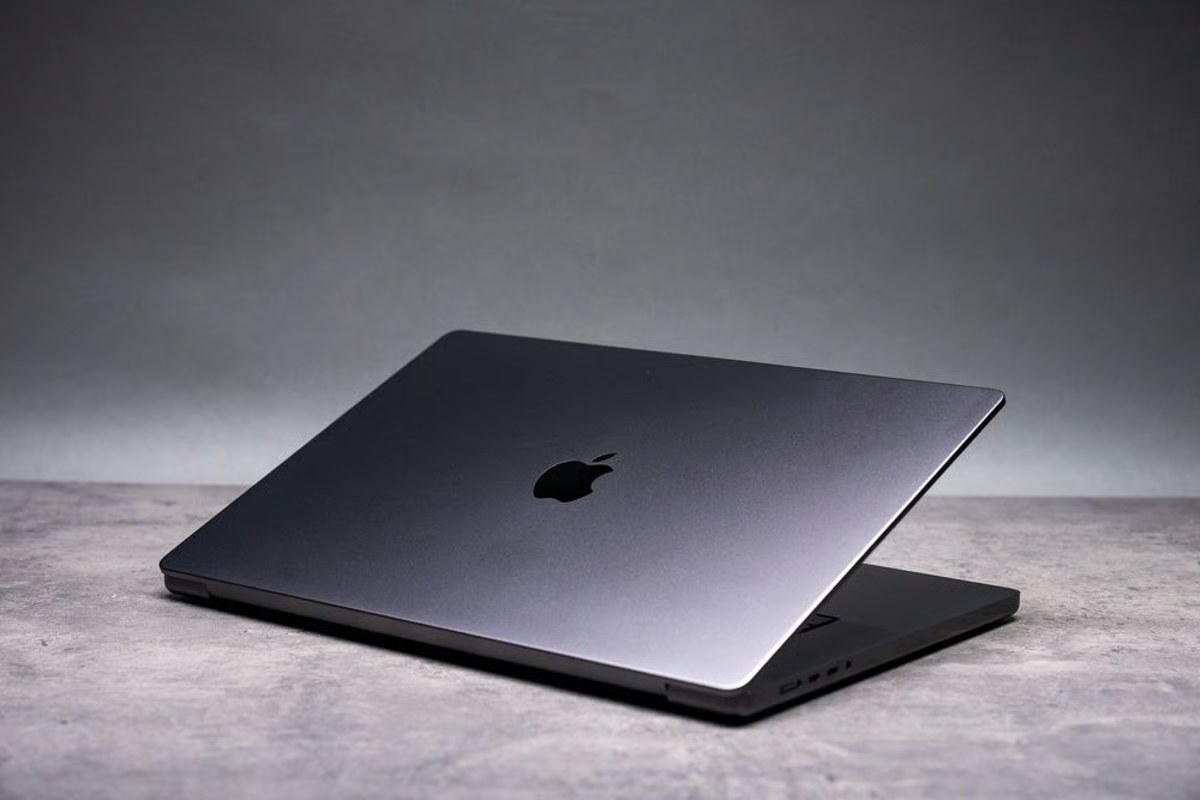
But these are not the cutting-edge chips Apple puts in its flagship products. Kuo had already reported last month that Intel kicked off production of legacy chips for older iPhones, iPads, and Macs. Those are still wholly Apple-designed parts; Intel is merely joining the manufacturing side of the supply chain. As things stand, TSMC remains Apple's primary supplier and will handle most of its production for the foreseeable future. Silicon fabrication at the scale Apple demands is incredibly complex, and TSMC is miles ahead of everyone else. It would be surprising if Intel could supply the latest-generation processors for Apple's highest-end iPhones any time soon.
POLITICAL AND ECONOMIC STAKES
The deal is as much about optics as it is about silicon. Trump has made onshoring semiconductor production a core part of his economic message, and Apple is the most visible American consumer electronics company still relying heavily on Taiwan's TSMC. Getting Intel back into Apple's supply chain gives the administration a tangible win to point at: American-made chips in American phones and laptops, even if they are trailing-edge parts.
For Apple, the arrangement offers leverage. The company would love to have an alternate supplier for its highest-end Apple Silicon chips, too, in order to force TSMC to compete on pricing and capacity commitments. That is a longer-term game. For now, Intel is a political hedge and a minor cost reduction tool, not a genuine rival to Taiwan. Nevertheless, adding Intel to the supply chain is surely beneficial for Apple economically and politically, by enhancing its made-in-America production efforts.
The government's $8.9 billion stake in Intel was partly funded by money previously earmarked for the CHIPS Act and partly from the Secure Enclave program. That investment gives Washington a direct financial interest in Intel's foundry business succeeding. Trump's claim of a 10 per cent share exchange is consistent with the structure announced in August.
IT'S A LONG ROAD AHEAD FOR INTEL
Even with political momentum and government money, Intel has a steep climb. The 18A-P process is still in testing with Apple, and actual production for consumer devices isn't expected until 2027 at the earliest. Test production in 2026 means actual silicon won't reach consumers until 2027 at the earliest.



For now, though, a more sensible venture might be a joint RAM manufacturing plant devoted to consumer electronics to bring those prices down, as one analyst suggested. That would have a broader impact than fighting over process nodes Intel may never master at Apple's scale. The president's announcement gives Intel a headline it desperately needed. Whether it gives Apple the production capacity it needs is a question that won't be answered until 2027 at the earliest.
what did you make of it?
more from business
business
APPLE RECLAIMS WORLD MOST VALUABLE COMPANY TITLE, NVIDIA BOTTLES IT
apple overtook nvidia during friday trading, extending a 23% year‑to‑date surge as investors reward its ai agenda and light capital spending.
business
RYAN COHEN'S GAMESTOP PIVOT: GAMES ARE 18% OF REVENUE AND FALLING
GTA6 goes digital-only, Sony ends physical discs, and GameStop's CEO says that's fine because the company now sells toys.
business
NOTEBOOKLM NOW GEMINI NOTEBOOK, ADDS CLOUD CODE EXECUTION
The research tool originally known as Project Tailwind drops the LM and gains a secure cloud computer for data analysis.
business
TSMC FACES ITS HARDEST QUARTER YET AS AI DEMAND MEETS MARGIN SQUEEZE
Record revenue and eps gains aren't the whole story. the costs of building the world's most advanced chip factories are starting to show.