US HEATWAVE "VIRTUALLY IMPOSSIBLE" WITHOUT CLIMATE CRISIS
The scorching heat would not exist in a world without 1.4C of warming, and it's hitting Fourth of July and the World Cup.
by editor5 min readcomments soon
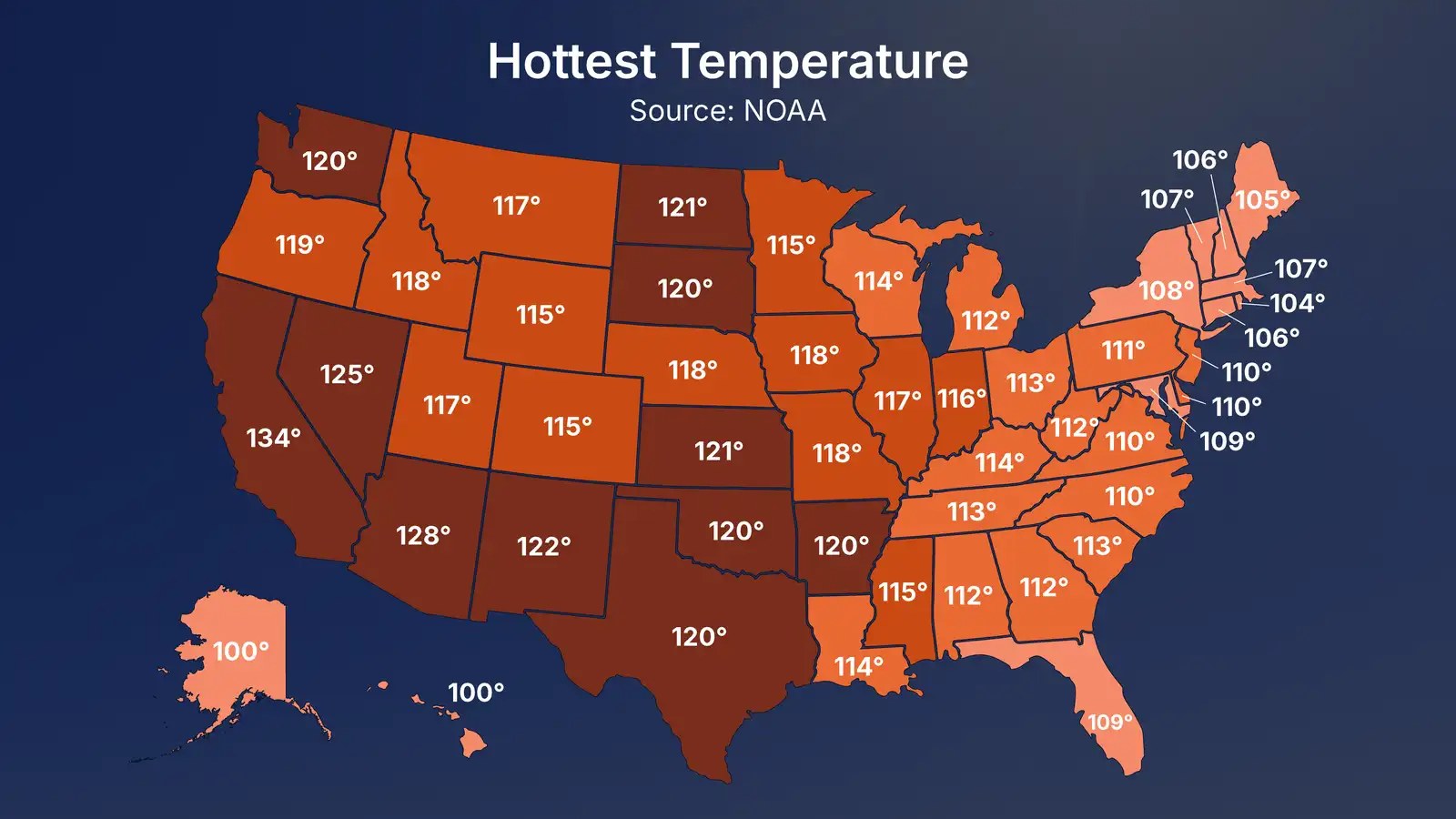
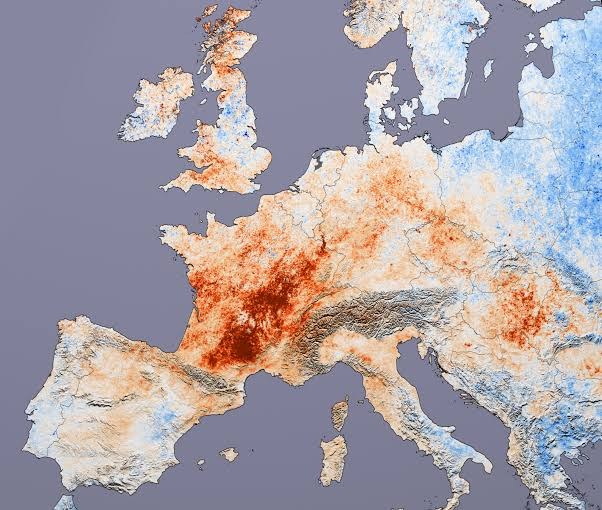
The heatwave sweeping across the US this week would have been all but impossible without the climate crisis. Scientists at World Weather Attribution found the event is now a 1-in-200-year occurrence in a world that has warmed by 1.4C (2.5F). Without that warming, driven by centuries of emissions, such a heatwave would not have been expected to appear even once in many thousands of years.
The finding is blunt. Climate change has remade the statistical odds of dangerously extreme weather, compressing what was once a near-impossible event into something that, while still rare, now occurs with predictable regularity.

A 200-YEAR EVENT THAT WAS NEVER MEANT TO HAPPEN
The attribution study, conducted by the World Weather Attribution group at Imperial College London, used climate models to compare the current heatwave against a counterfactual world without human-driven warming. The results placed the event's rarity at roughly once every two centuries under the current climate, a bust of the bell curve large enough that the researchers described the odds as a step change.
Theodore Keeping of the Centre for Environmental Policy at Imperial College London noted a grim milestone. "The climate the country has today is fundamentally different to the one it had when the founding fathers signed the Declaration of Independence.
The 1.4C rise may sound abstract, but it is the physical mechanism that made this week possible. Every tenth of a degree shifts the entire distribution of possible heat events upward, turning the previously impossible into the merely improbable. This is the math that the fossil fuel era wrote for every country on Earth.
THE HEAT LANDED ON TWO BIG EVENTS
The timing could not be worse for coordination. Washington DC is bracing for the mercury to soar as crowds gather to mark the 250th anniversary of the United States. A historic parade, concerts, fireworks, all unfolding under a lid of heat that the founding fathers could not have conceived.
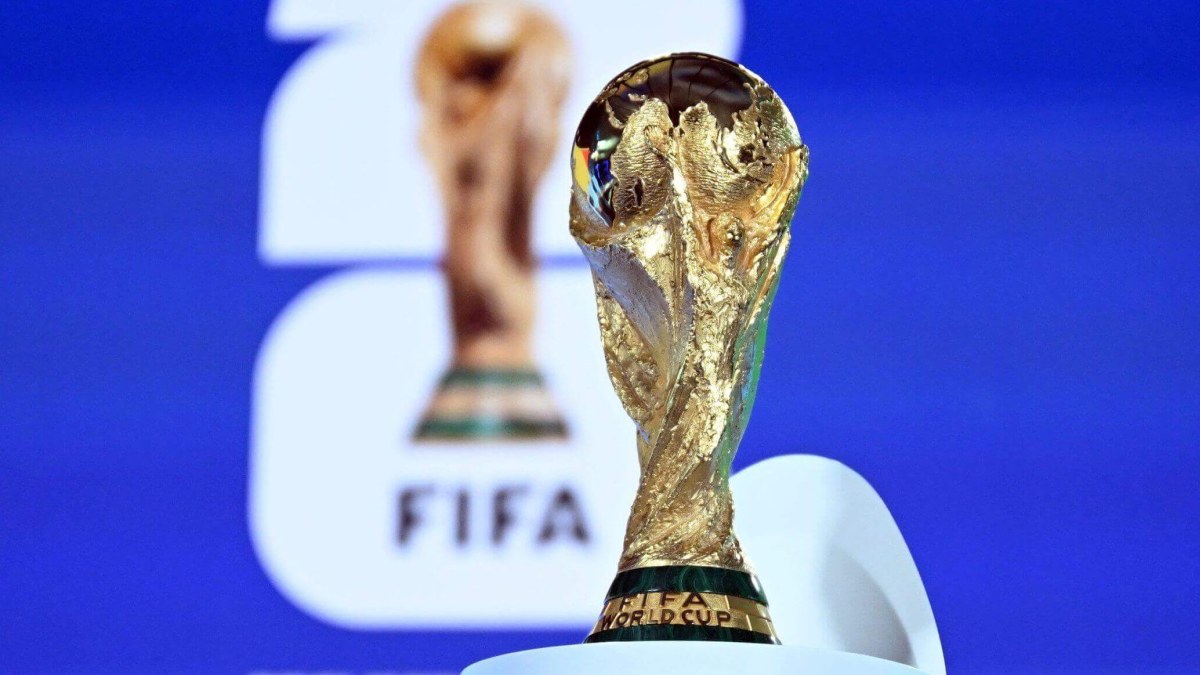
On the pitch, it gets worse. France is set to play Paraguay in Philadelphia on Saturday in conditions that a global players' union has previously said should trigger the delay or postponement of matches. The specific combination of heat and humidity pushes the game past the threshold that unions and medical staff have defined as unsafe.
The day before, Cape Verde and Argentina face each other in Miami, a game also expected to be played in potentially dangerous heat and humidity. Fans in the stands, stadium workers, and the players themselves will be exposed to the same air mass that the attribution study says would not exist in a world without the climate crisis.
This is the part that should translate into more than a news cycle. Two World Cup matches, one 250th anniversary national celebration, both unfolding under conditions that are the direct signature of the fossil fuel era.
THE SCIENTIST WHO REFUSES TO CALL IT A SURPRISE
Friederike Otto, co-lead of World Weather Attribution, made the point without academic softening. "When a historic Fourth of July celebration is disrupted, and World Cup matches are played in conditions that are unsafe for players and fans, it shouldn’t take another scientific study to wake people up" When a historic Fourth of July celebration is disrupted, and World Cup matches are played in conditions that are unsafe for players and fans, it shouldn't take another scientific study to wake people up.
"Climate change is here; it’s already impacting the things we enjoy in our everyday lives, and it will continue to get worse the longer we drag out the inevitable transition to net zero emissions." Climate change is here; it's already impacting the things we enjoy in our everyday lives, and it will continue to get worse the longer we drag out the inevitable transition to net zero emissions.
The tone is worth noting. Otto is among the most credentialed climate attribution scientists in the world. When she says the evidence is already plain enough for action, she is not editorialising. She is stating the logical endpoint of her own field's findings.
The attribution study gives a frequency estimate (once every 200 years), but that number is a snapshot of the present moment. As warming continues, such events will become less rare. That trajectory means this heatwave is not a one-off. It is the leading edge of a curve that bends upward with every year of unresolved emissions.
THE PRACTICAL CONSEQUENCES
For the crowds watching the Fourth of July parade from sidewalks and bleachers in Washington DC, the heat is a direct threat. For the players on the pitch in Philadelphia and Miami, the risk is more acute. The players' union's guidelines recommend delaying or postponing matches when conditions cross a specific threshold. That threshold is expected to be breached.
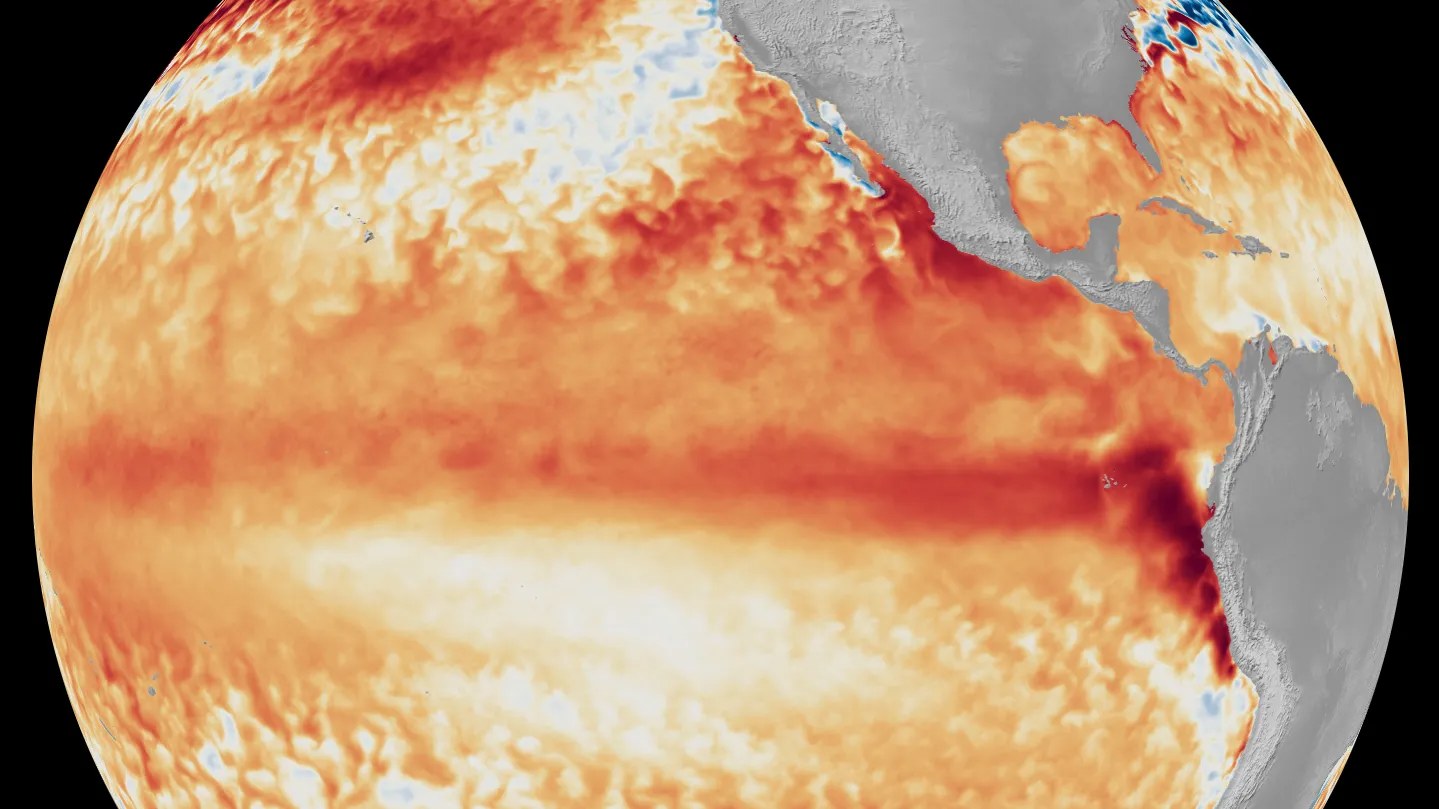

And for the broader public, the signal is the same thing Otto has been saying for years: the evidence is in. The question is no longer whether climate change is real or whether it affects people. The question is how many more historic celebrations and international matches have to be disrupted before the response matches the scale of the problem.
what did you make of it?
more from climate & energy
climate & energy
CANADIAN WILDFIRE TURNS US SKIES YELLOW AS 800 FIRES RAGE ON
New York City hit an AQI of 200, and the Twin Cities were rated “hazardous” as winds carried smoke from over 800 Canadian wildfires southeast.
climate & energy
EU GAS PRICES SKYROCKET AS QATAR HALTS ALL MARITIME ACTIVITY
The Dutch TTF futures jumped 3.35% after a weekend of renewed U.S.-Iran hostilities and the first blanket shipping suspension by a Gulf state.
climate & energy
CALIFORNIA SETS NEW EV INCENTIVES, REWARDS LOCAL MAKERS AND SNUBS TESLA
A $135M program waives price caps for Rivian and Lucid while Tesla, which moved its HQ to Texas, gets no such break.
climate & energy
OPEC+ HIKES OUTPUT AGAIN AS FRAGILE PEACE RESHAPES OIL MARKET
The UAE quit, the Strait of Hormuz is reopening, and retail traders will soon place 10-barrel bets around the clock.