EU GAS PRICES SKYROCKET AS QATAR HALTS ALL MARITIME ACTIVITY
The Dutch TTF futures jumped 3.35% after a weekend of renewed U.S.-Iran hostilities and the first blanket shipping suspension by a Gulf state.
by editor4 min readcomments soon
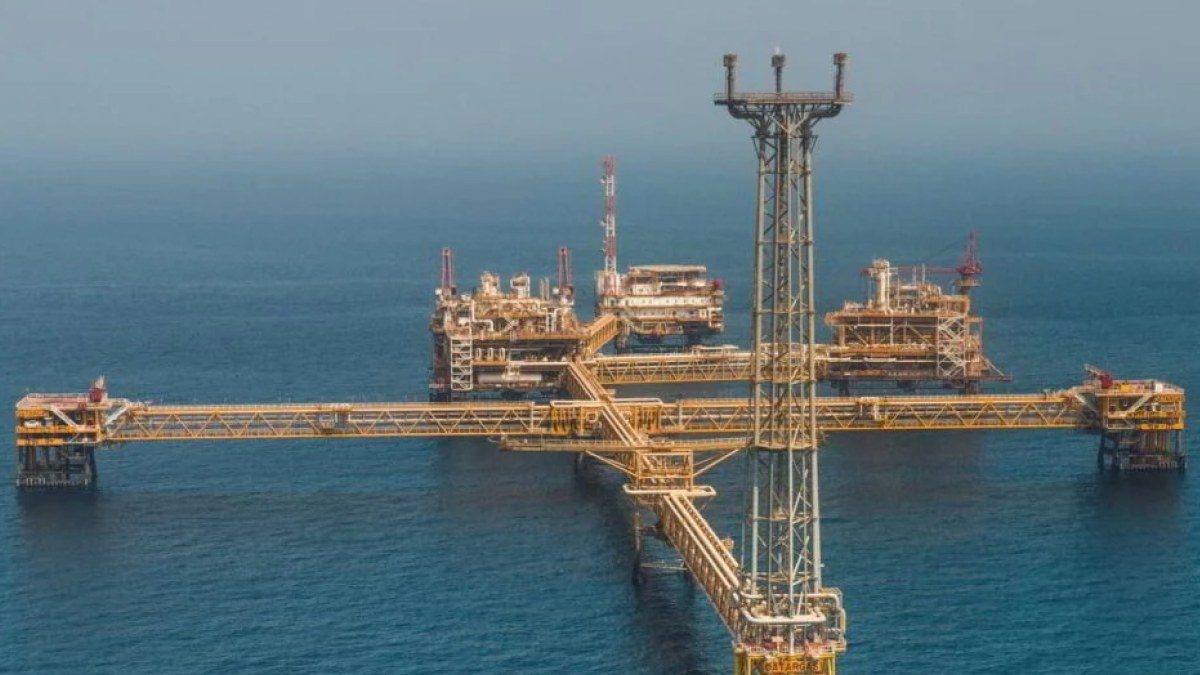
Europe’s benchmark natural gas prices opened 3% higher on Monday after the weekend escalation over the Strait of Hormuz. Oil prices surged 4% on the same fears.
The trigger was a sharp renewal of tensions between the U.S. and Iran that escalated into direct strikes: Iran hit five Gulf countries over the weekend. The Strait of Hormuz once again saw traffic slow to a trickle. And then Qatar, one of the world’s largest LNG exporters, pulled the emergency brake.
THE MARITIME HALT AND WHAT IT MEANS
Qatar’s transport ministry issued an urgent advisory ordering all maritime vessels to cease sailing and other maritime activities until further notice. This is not a partial restriction. It is, as maritime intelligence firm Windward noted, "This is the first blanket suspension of maritime activity by a Gulf state since the conflict began, with direct implications for LNG export flows from Ras Laffan": the first blanket suspension of maritime activity by a Gulf state since the conflict began, with direct implications for LNG export flows fromRas Laffann. Ras Laffan is the heart of Qatar’s LNG export infrastructure. A full stop on vessel movements out of that port means the ships that carry liquefied natural gas to Asia, Europe, and beyond cannot load. The advisory is open-ended: “until further notice.”
The timing is particularly brutal. LNG exports from the Middle East had just started to recover. In mid-June, the U.S. and Iran signed a memorandum of understanding, and Qatar moved to boost production and shipments. That tentative recovery was already fragile. This weekend’s renewed hostilities put an abrupt end to it, as intensified tension prompted Qatar to take what it considers extraordinary measures to protect its ships.
WINTER IS COMING
A renewed disruption of Qatar’s LNG exports could tighten the global market as Europe is scrambling for supply to refill gas storage sites ahead of the next winter. Europe’s gas market remains exposed to price volatility during the refilling season, which could prove more difficult and much more expensive to complete, as Asia now attracts the bulk of spot LNG supply.
European storage is drawn down each winter and must be replenished during the summer and fall. The summer months are the prime refill window. With Qatar’s LNG cut off, Europe has to compete with Asian buyers for limited spot cargoes, and that competition shows up in the TTF price, which is already above 50 euros per MWh.
COMPETITIVE DYNAMICS
U.S. LNG exporters are reaping a windfall as Middle East turmoil drives fees higher. That windfall for exporters is a cost for importers. With its entire fleet ordered to stay in port, Europe loses a key source of marginal supply precisely when it needs every molecule it can get.
The immediate variable is the U. s.-Iran conflict trajectory. A de-escalation could see the maritime advisory lifted quickly. A continued exchange of strikes could keep Qatar’s ships tied up for weeks. The fact that Iran struck five Gulf countries over the weekend suggests the conflict is not contained.
THE BIG PICTURE
The U.S.-Iran MOU from mid-June did not prevent the weekend’s strikes or the maritime halt. The lesson is that regional security risks in the Gulf are structural, and any period of calm can be temporary.
For now, the market is repricing risk. This is a sovereign state halting its entire maritime commerce because the security situation is unacceptable. That kind of signal does not get priced in and forgotten quickly. Traders will focus on whether Qatar extends the halt or issues a timeline, and whether other Gulf states follow. If Saudi Arabia or the UAE issues similar advisories, the supply hit multiplies instantly.



The second watchpoint is Europe’s storage injection rates. If the refill pace slows, the market will start pricing in a winter premium earlier than usual. That premium is already visible in the forward curve, with winter 2026 contracts trading above the summer strip.
what did you make of it?
more from climate & energy
climate & energy
CANADIAN WILDFIRE TURNS US SKIES YELLOW AS 800 FIRES RAGE ON
New York City hit an AQI of 200, and the Twin Cities were rated “hazardous” as winds carried smoke from over 800 Canadian wildfires southeast.
climate & energy
CALIFORNIA SETS NEW EV INCENTIVES, REWARDS LOCAL MAKERS AND SNUBS TESLA
A $135M program waives price caps for Rivian and Lucid while Tesla, which moved its HQ to Texas, gets no such break.
climate & energy
OPEC+ HIKES OUTPUT AGAIN AS FRAGILE PEACE RESHAPES OIL MARKET
The UAE quit, the Strait of Hormuz is reopening, and retail traders will soon place 10-barrel bets around the clock.
climate & energy
GLOBAL OIL DEMAND ENTERS FIRST DECLINE SINCE 2020, IEA WARNS
The Iran war has pushed consumption into a 1 million barrel-a-day contraction this year, and renewed hostilities threaten any recovery.