EU HEATWAVE & THE ENERGY TRANSITION THAT MIGHT SAVE IT
Renewables just overtook coal as the world's top electricity source, but 1,300 are dead in Europe's latest heatwave and emissions are still rising.
by editor4 min readcomments soon
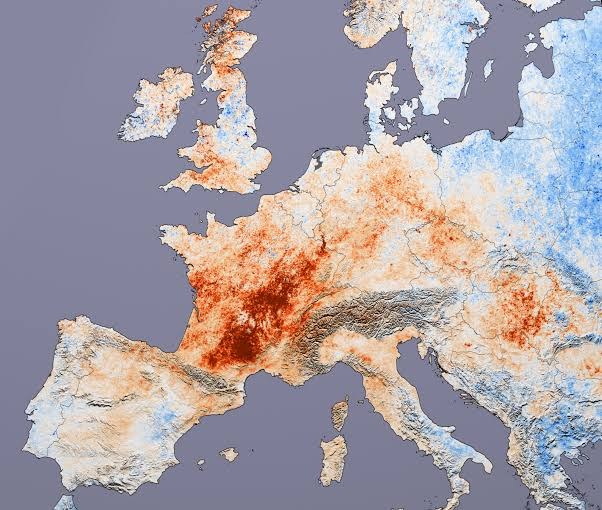
Europe's record-breaking heatwave has killed more than 1,300 people in the past 10 days, and that number is a dramatic understatement. The scorching 10 days were hotter than the summer of 2022, which ultimately claimed more than 60,000 lives. Scientists from the World Weather Attribution consortium found that nearly half of Europe's 850 biggest cities are enduring their worst heat stress in recorded history. Temperatures have been running 5C to 12C above seasonal averages.
These temperatures would have been impossible in the 1976 heatwave and 10 times less likely in 2003. The only reason they are happening now is the underlying increase in global temperatures driven by rising greenhouse gases.


THE REAL TOLL OF THE SUMMER
Counting dead bodies in a heatwave is like counting raindrops in a flood. The official tally of 1,300 will grow as excess-death calculations trickle in. Meanwhile, the heat is breaking physical infrastructure in real time. The surface of Germany's Autobahn ruptured, forcing lane closures. Train lines buckled. Power lines degraded. Medical equipment failed. Nuclear plants had to shut down because regulations limit how hot the river water used for cooling can be.
Parallel calamities are compounding the disaster. The confirmed death toll from twin earthquakes in Venezuela has climbed past 1,900 and could top 10,000. And a geopolitical crisis is driving the world's attention elsewhere: Donald Trump's inept attack on Iran alongside Israel triggered a blockade in the Strait of Hormuz, cutting off about 20% of the world's oil and gas supply.
That blockade, however, has done something unexpected. It has forced fresh consideration of how nations can break free from the global fossil fuel trade.
THE SURPRISING NUMBERS
For the first time, renewable energy (solar, wind and hydro) overtook coal-fired power as the leading source of electricity last year, providing a third of the global total. Add nuclear and non-fossil generation hit 42%. Solar grew 30% in 2025, the single largest annual increase of any electricity source in history. Battery storage grew 66% from a lower base.
UN Secretary-General Antonio Guterres noted that the cost of solar and batteries had fallen 90% and 95% respectively over the past 15 years, while wind costs dropped 70%. "Renewables are the cheapest, fastest and most scalable source of new electricity in most of the world."
The numbers on the ground are staggering. In Pakistan, solar capacity increased more than tenfold in four years. Solar electricity topped 25% of the country's power last year, prompting the government to cancel LNG imports scheduled for this financial year. In the EU, solar and wind provided about 30% of electricity in 2025, up from 19% in 2021. Solar in the EU has grown about 20% annually for four straight years. Renewables now make up 48% of total EU generation, while fossil fuels have fallen to 29%.
In the US, solar and batteries provided 91% of new generation capacity in the first quarter of this year. May was the first month solar produced more electricity than coal.
China, which uses more electricity than the US, Europe and India combined, is adding far more renewable capacity than the rest of the globe combined. Twenty years ago coal provided about 80% of China's power. That figure has fallen to about 50% and is dropping fast.
THE EV AVALANCHE
The transition is not just about power plants. Two-thirds of cars and at least 25% of heavy vehicles sold in China this year are expected to be electric. Globally, EVs are projected to account for 27% of new car sales, up from 9% five years ago, according to BloombergNEF.
In India, the Delhi government announced it will ban new license plates for fossil-powered small trucks and three-wheelers next year, and for scooters and motorbikes in two years. Only electric models will be allowed. Ethiopia has already banned the importation of new fossil fuel cars altogether.
THE HARD TRUTH
Despite all of this, global emissions are yet to start falling. Every megawatt of solar and every EV sold reduces the rate of increase, but the total is still climbing. The structural reality is that electricity, using existing technology, is already capable of meeting about 75% of the world's energy needs. The grid, the regulations, and the political will have to catch up.



The heatwave killing more than 1,300 people with a huge unaccounted remainder is the price of not catching up fast enough. The renewables boom is the market's answer to that question. Whether it arrives in time to stop the next heatwave from being even worse is the only test that matters.
what did you make of it?
more from climate & energy
climate & energy
CANADIAN WILDFIRE TURNS US SKIES YELLOW AS 800 FIRES RAGE ON
New York City hit an AQI of 200, and the Twin Cities were rated “hazardous” as winds carried smoke from over 800 Canadian wildfires southeast.
climate & energy
EU GAS PRICES SKYROCKET AS QATAR HALTS ALL MARITIME ACTIVITY
The Dutch TTF futures jumped 3.35% after a weekend of renewed U.S.-Iran hostilities and the first blanket shipping suspension by a Gulf state.
climate & energy
CALIFORNIA SETS NEW EV INCENTIVES, REWARDS LOCAL MAKERS AND SNUBS TESLA
A $135M program waives price caps for Rivian and Lucid while Tesla, which moved its HQ to Texas, gets no such break.
climate & energy
OPEC+ HIKES OUTPUT AGAIN AS FRAGILE PEACE RESHAPES OIL MARKET
The UAE quit, the Strait of Hormuz is reopening, and retail traders will soon place 10-barrel bets around the clock.