TRUMP'S WAR ON WIND IS COSTING BILLIONS AND LEAVING WORKERS STRANDED
The president blames turbines for cancer, dead birds, and whales. His administration has spent $2.6bn canceling leases. The courts keep saying no.
by editor5 min readcomments soon
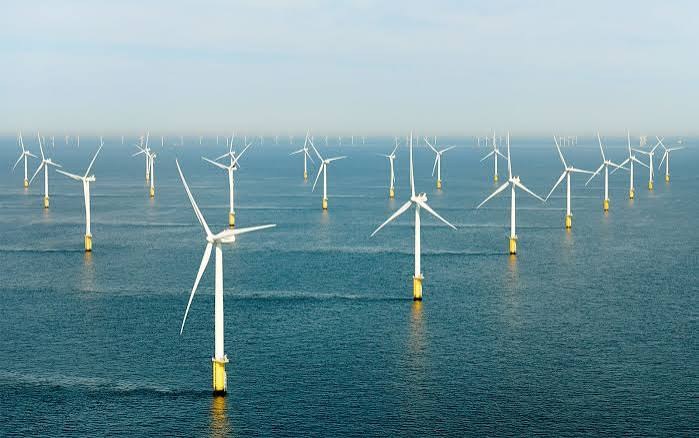
Donald Trump has spent decades blaming windfarms for everything from bird deaths to cancer to national security threats. Now, back in office, he is doing what he can to make that opposition into policy: halting leases, issuing stop-work orders, and paying energy companies more than $2.6 billion to abandon projects. What the headlines miss is the human cost.
Hundreds of workers have been affected by the administration's actions. Thomas Kilday is one of them. A furnace electrician with IBEW Local 99, he was on a vessel off the Atlantic coast working a 28-day shift on the Revolution Wind Project in August last year when the stop-work order came down. He had planned his whole life around those four weeks on, four weeks off cycles. "You plan your whole life around being gone for 28 days, and to come out here and have it thrown up in the air, worrying what does this mean for me, for my pay for the next four weeks, what’s going to happen? There’s a lot of uncertainty."
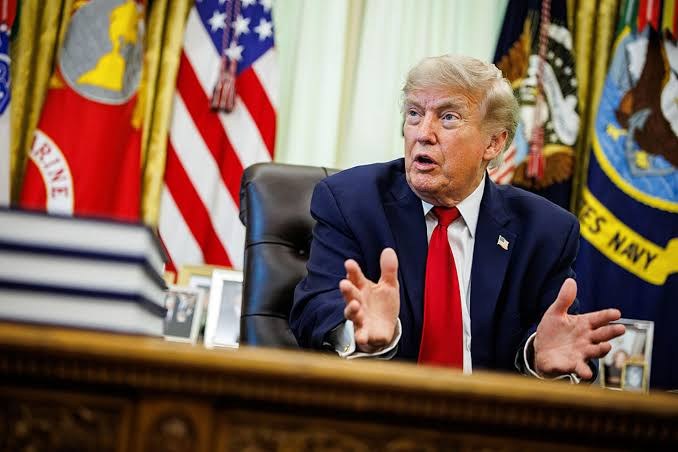

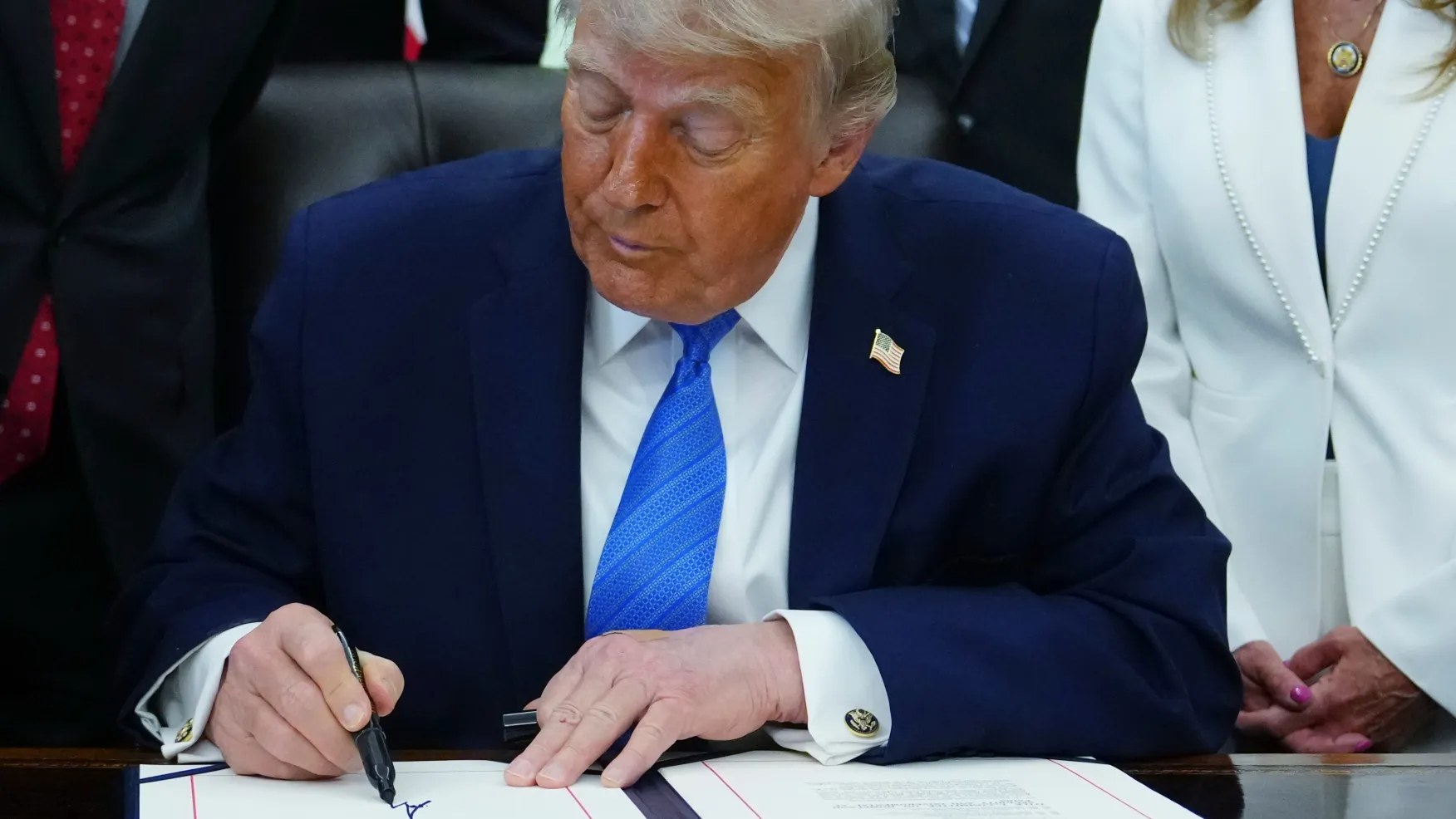
THE MAN WHO HATES WIND
Trump's opposition to wind energy is personal and longstanding. Since taking office for a second term, he has issued an executive order aimed at halting all wind-energy leases and permits, attempted stop-work orders on projects under construction, and paid more than $2.6bn in settlements to buy out wind energy leases. The Department of Interior alone has completed four deals to cancel leases, including $765m paid to Invenergy to abandon four projects in California, New York, and Maine.
The stated reasons shift. Sometimes it is national security. Sometimes it is the whales. Sometimes it is the birds. Sometimes it is cancer.
WHAT IT LOOKS LIKE FROM THE VESSEL
The Revolution Wind Project, where Kilday works, was one of the first to be hit. Construction on the project is done in shifts of 28 days on and 28 days off, with workers living on a vessel and taking helicopters out to the turbines. The stop-work order came while Kilday was in the middle of a shift, leaving him and his crew wondering whether they would be paid for the weeks they had already worked. They weren't fired, but they weren't working either.
A federal court granted an injunction to block that stop-work order in September. In December, the administration issued another 90-day stop-work order, again citing national security. A second judge issued an injunction in January. The pattern is clear: the administration tries to stop the projects, the courts tell them they can't.
Pat Crowley, president of the Rhode Island AFL-CIO, has watched this play out five times in his area alone. He notes that the Trump administration lost in court on five wind projects in the Rhode Island area. "What the Trump administration is doing is just throwing money away for the sake of their ideology."
Crowley said workers would have had long-term job stability from these projects. Instead, they are left waiting.
THE COURT DOCKET
The legal battles have been consistent. In June, the Trump administration abandoned an effort to try to halt all wind projects and leases across the US, giving up a court challenge. But by then the damage was done. Projects had been stalled for months. Workers were left without paychecks, and their training went unused.
Will Gonzalez is a construction labourer with the Labourers' local 385 in Fairhaven, Massachusetts. He worked on the Vineyard Wind 1 project off Martha's Vineyard, which the administration tried to halt in January. That project is now completed and fully operational. But Gonzalez and his co-workers had invested in training and certifications that went unused during the stoppage. "Good union jobs – we shouldn’t be trying to take those off the table. That just doesn’t make any kind of sense. Families obviously need good jobs … why take those jobs away?"
He claimed the opposition from Trump stems from his experiences trying to stop a wind turbine project near his golf course in Scotland, where he lost an appeal in December 2015. "We’re fully trained, ready to go, willing and able, so it directly affected us. But you move on. You [have] got to move on. You can’t sit and dwell on that, because that’s not going to pay the bills."
BILLIONS FOR IDEOLOGY
The administration's approach has been to buy off the developers rather than fight them in court. The Department of Interior has paid energy corporations more than $2.6bn to cancel leases. That money comes from taxpayers. It goes to companies like Invenergy, which pocketed $765m to walk away from four projects.
A spokesperson for the Department of Interior denied that the cancellations had any impact on jobs, arguing that none of the leases was operational or supporting employment. The spokesperson said the administration is prioritising investments in existing infrastructure and functioning supply chains that can create jobs now.
The workers on the vessels and at the dockyards would disagree. They were employed, trained, and ready to go. The stop-work orders didn't eliminate their jobs on paper, but they eliminated their paychecks.



THE WORKERS LEFT HANGING
The human stakes are not abstract. Thomas Kilday's uncertainty about his paycheck for the next four weeks. Will Gonzalez's unused certifications. The hundreds of other union labourers who signed up for years of steady work on projects that could power hundreds of thousands of homes. Revolution Wind announced in March that it began delivering power to New England, citing more than 1,000 local union workers. The project is over 90% complete. It took court orders to get there.
what did you make of it?
more from climate & energy
climate & energy
CANADIAN WILDFIRE TURNS US SKIES YELLOW AS 800 FIRES RAGE ON
New York City hit an AQI of 200, and the Twin Cities were rated “hazardous” as winds carried smoke from over 800 Canadian wildfires southeast.
climate & energy
EU GAS PRICES SKYROCKET AS QATAR HALTS ALL MARITIME ACTIVITY
The Dutch TTF futures jumped 3.35% after a weekend of renewed U.S.-Iran hostilities and the first blanket shipping suspension by a Gulf state.
climate & energy
CALIFORNIA SETS NEW EV INCENTIVES, REWARDS LOCAL MAKERS AND SNUBS TESLA
A $135M program waives price caps for Rivian and Lucid while Tesla, which moved its HQ to Texas, gets no such break.
climate & energy
OPEC+ HIKES OUTPUT AGAIN AS FRAGILE PEACE RESHAPES OIL MARKET
The UAE quit, the Strait of Hormuz is reopening, and retail traders will soon place 10-barrel bets around the clock.