YUM SELLS PIZZA HUT FOR $2.7BN, SPLITS BRAND
LongRange Capital takes most of the world for $1.5 billion, while Yum China keeps its slice for $1.2 billion. The chain that made pizza a national institution is leaving its parent.
by editor4 min readcomments soon
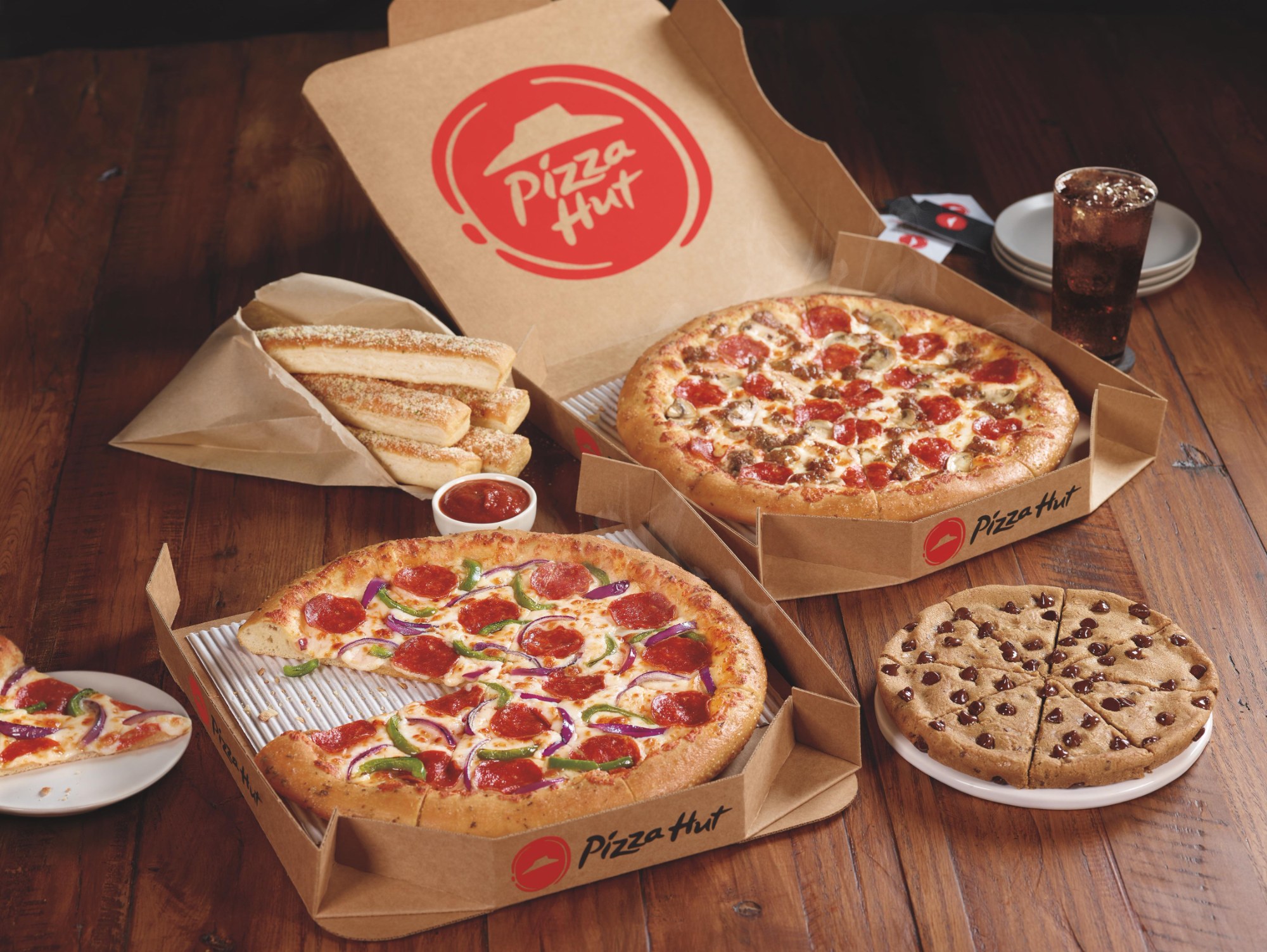
Yum Brands is selling Pizza Hut, and it is doing so in two pieces. The bulk of the global business, excluding mainland China, goes to private-equity firm LongRange Capital for about $1.5 billion. The China operations, which are already run separately, will be bought by Yum China Holdings for roughly $1.2 billion. Combined, the transactions value the 68-year-old chain at around $2.7 billion.
The deals are the end of a long divorce. Yum has owned Pizza Hut since the late 1990s, when PepsiCo spun off its restaurant division. For years the brand coasted on its red-roofed dine-in legacy. But that legacy became a liability as customers shifted to delivery and competitors like Domino's ate its market share. Comparable-store sales in the U.S. have fallen for roughly two years. Yum plans to shutter about 250 underperforming domestic units this year.

Chris Turner, who took over as Yum chief executive last year, said he wanted to sell the brand from the start. In a statement on the sale, Turner said "Under LongRange and Yum China, Pizza Hut will be well positioned for future growth with ownership that brings deep expertise in the restaurant industry". The deal is expected to close in the third quarter.
TWO TRANSACTIONS
The structure is practical.
Yum China already held the master franchise for mainland China. Rather than force LongRange Capital to buy a business it does not know, Yum is splitting the geography cleanly. The $1.5 billion price for the ex-China operations is the headline number. The $1.2 billion for China is separate but simultaneous.
The firm is taking on a brand with roughly 6,300 U.S. stores and $5.1 billion in last year's domestic sales. But those sales have been trending down, and the chain's physical footprint includes many older locations that need renovation or closure.
WHY YUM CHINA IS WALKING AWAY
Yum's other two major brands tell the story.
Taco Bell and KFC have performed better in recent years, growing sales and adapting faster to changing consumer habits. Pizza Hut was the weakest link in the portfolio, and Turner made no secret of his intention to offload it. Investors reacted well: Yum shares gained 2% on the news.
The sale aligns with a broader trend in the restaurant industry. Private-equity firms have spent roughly $64 billion on U.S. restaurant deals since 2010, accounting for about 64% of all sector transactions. Chains like Subway, Dunkin', and Jersey Mike's have all been taken private in recent years. The logic is consistent: a venerable brand with a large installed base but near-term operational problems is cheaper to fix outside the quarterly-earnings cycle of a public company.
THE ROOT OF THE TROUBLES
Pizza Hut's problems are not unique but they are acute. The chain helped build the American pizza market: founded in 1958 in Wichita, Kansas, by Frank and Dan Carney with a $600 loan from their mother. The name came from the boxy building. As it expanded, it built a strong dine-in business and became a fixture at birthday parties and football games. Today Domino's is the largest pizza chain in the U.S.
The pizza segment as a whole has lagged the broader fast-food industry for several years. Aggressive pricing battles among major pizza chains have cut into profit margins. Consumers, squeezed by inflation, have trimmed eating-out budgets. Papa John's and the parent of Papa Murphy's have also explored sales or other strategic moves.
Pizza Hut has about 6,300 stores in the U.S., but many of those are older sit-down locations. Closing 250 stores this year is an acknowledgement that the physical footprint no longer matches the business reality.
WHAT HAPPENS NEXT
LongRange Capital inherits a brand with global recognition and a real estate problem. The China arm under Yum China has its own growth path.
For Yum, the sale frees up management attention and capital to focus on Taco Bell and KFC. For Pizza Hut, the private-equity ownership brings the flexibility to make long-term bets away from public market pressure. The easy cuts have already been announced.
The deal closes in Q3. By then, the red roofs in your neighborhood may start to look different. Whether that means fewer of them or newer ones is the question LongRange Capital gets to answer.
what did you make of it?
more from business
business
APPLE RECLAIMS WORLD MOST VALUABLE COMPANY TITLE, NVIDIA BOTTLES IT
apple overtook nvidia during friday trading, extending a 23% year‑to‑date surge as investors reward its ai agenda and light capital spending.
business
RYAN COHEN'S GAMESTOP PIVOT: GAMES ARE 18% OF REVENUE AND FALLING
GTA6 goes digital-only, Sony ends physical discs, and GameStop's CEO says that's fine because the company now sells toys.
business
NOTEBOOKLM NOW GEMINI NOTEBOOK, ADDS CLOUD CODE EXECUTION
The research tool originally known as Project Tailwind drops the LM and gains a secure cloud computer for data analysis.
business
TSMC FACES ITS HARDEST QUARTER YET AS AI DEMAND MEETS MARGIN SQUEEZE
Record revenue and eps gains aren't the whole story. the costs of building the world's most advanced chip factories are starting to show.