OPENCLAW BRINGS ITS OPEN SOURCE AI AGENT TO IPHONE AND IPAD
The self-hosted AI agent gets a native iOS app, ending the Telegram-and-WhatsApp workaround that early adopters relied on for on-the-go access.
by editor6 min readcomments soon
OpenClaw, the open-source AI agent that lets you wire a language model directly into your local machine's apps and files, is getting a real iOS app. The native app for iPhone and iPad replaces the ragged edge of running the agent through Telegram or WhatsApp for mobile access, and it signals that the project's creators see a genuine mobile use case for a tool that was designed around a desktop gateway.
If you are not familiar with OpenClaw, here is the quick version. It is a self-hosted agent that runs on a Mac or PC. You connect an API key from Claude, OpenAI, Gemini, or another AI service, and the model gains access to your messaging apps, files, web browser, and more. It can read, write, and act across those apps based on natural language instructions. It is essentially a personal AI assistant that lives on your own hardware and talks to whichever frontier model you prefer.
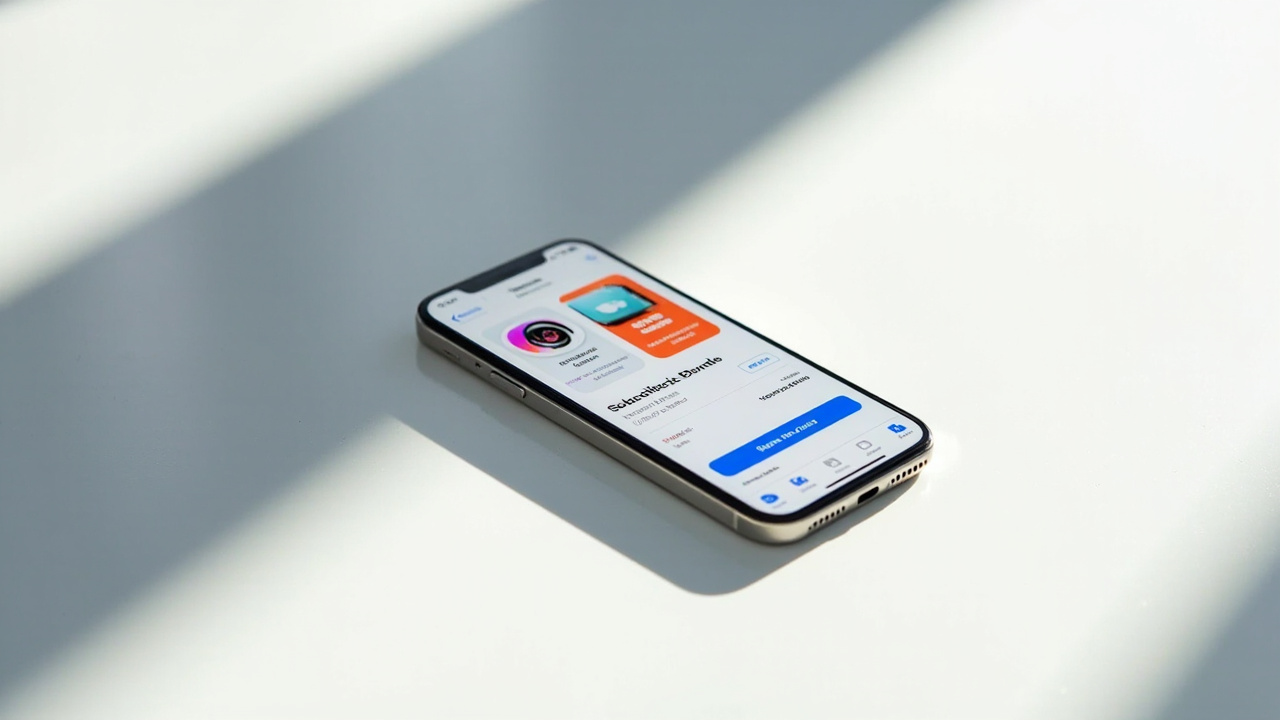
The catch was mobility. Until now, if you wanted to reach the agent away from your desk, you had to go through a Telegram bot or a WhatsApp number. It worked, barely, but it was clunky. The new iOS app solves that by acting as a secure frontend to the gateway running on your local machine. The App Store description positions the app as one that enables chat, voice approvals, sharing, and device-aware automation. In practice, that means you can tell your model to send a file, approve an action by voice, or trigger a script on your desktop from your pocket.
FROM WORKOUT TO NATIVE
The Telegram-and-WhatsApp approach was never the intended interface. It was a hack that relied on routing messages through a chat service that sat in the middle. That added latency, limited what the agent could do on mobile (no voice approvals, no direct access to iPhone sensors or context), and meant your AI agent conversations lived on a third party's server. The native app cuts out the middle service entirely. Communications happen directly between the phone and the gateway machine over your local network, or through a secure tunnel if you are remote.
That matters for privacy. OpenClaw already sells itself as a self-hosted alternative to cloud agents like ChatGPT's desktop app or Claude's own product. Your data stays on machines you control, not on someone else's inference farm. The iOS app preserves that model while adding the convenience that makes an agent actually useful when you are away from your desk.
HOW IT WORKS IN PRACTICE
Every OpenClaw deployment starts with a gateway on a local machine. The gateway runs the agent logic and brokers access to your apps and files. The iOS app connects to that gateway, authenticates (presumably via a token or local network trust), and presents a chat interface that feels like a normal messaging app. But behind the interface, the model has the same system access it would have on the desktop. It can read the files you have shared, open browser pages, send messages through your messaging apps, and execute actions that the gateway machine permits.
The App Store description mentions this, which likely means the agent can use iPhone-specific capabilities like location, camera, or sensors if you grant those permissions. That is a significant expansion of what a self-hosted agent can do. A desktop agent might know what files you are editing. A mobile agent can also know where you are, whether you are moving, and what you are looking at through the camera. The potential is real. So is the privacy surface area.
OPENCLAW DID NOT START LIFE AS OPENCLAW
OpenClaw did not start life as OpenClaw. It was originally called Clawdbot, a reference to Claude, the Anthropic model that its creator Peter Steinberger used for the first version. Anthropic objected to the name, and the project rebranded. The new name, OpenClaw, keeps the "claw" motif but drops the direct Claude reference. It is a small piece of lore, but it illustrates something about the space. Anthropic is protective of its brand, even when the tool that uses its API is open source and built by a single developer. That tension is going to persist as more people build agents that are effectively frontends for someone else's model.
THE SECURITY QUESTIONS
OpenClaw is useful, but it is also risky. The app gives a language model broad, direct access to system apps and files on the gateway machine. If the model is compromised through a prompt injection attack, an attacker could potentially read files, send messages, or execute commands on the machine. The same risk applies on the mobile side. Prompt injection is not a theoretical vulnerability. Researchers have demonstrated it in dozens of agent and chatbot systems. OpenClaw's documentation likely warns users about this, but the convenience of a mobile app makes it easier to forget that you are effectively giving an AI model root-level access to your digital life. The tradeoff is the same as any powerful tool. The more capable the agent, the more catastrophic a compromise becomes. The iOS app does not change that calculus. It just makes it easier to take the risk with you wherever you go.
WHAT THE APP SAYS ABOUT THE CATEGORY
OpenClaw's iOS expansion is part of a broader trend. Open source AI agents are moving from desktop experiments to mobile-first tools. The same forces that drove people to self-host their own email, file sync, and home automation are now driving them to self-host their AI assistants. Control is the selling point. The iOS app removes the last dependency on a third-party messaging service, putting the entire interaction path inside the user's own hardware.
For now, OpenClaw remains a project for people who are comfortable setting up a gateway, configuring API keys, and understanding what they are signing up for in terms of permissions and risk. The iOS app makes it easier to use, but it does not make it easier to set up. You still need the gateway. You still need to understand the security model. And you still need to trust that the model you are using does not get tricked into doing something you did not intend.

That is a lot to ask of the average iPhone user. But for the audience that is ready for it, a native iOS app is the difference between an agent you check in on from your phone and an agent that actually travels with you.
what did you make of it?
more from ai
ai
TSMC ADDS $100 BILLION TO ARIZONA CHIP BET, TOTAL HITS $265 BILLION
The additional investment will build at least four more 2nm fabs and advanced packaging, bringing the company's total US commitment to $265 billion.
ai
META WILL ALERT PARENTS IF TEENS DISCUSS SUICIDE WITH META AI
The opt-in feature flags self-harm references in chatbot conversations, with human review before any notification is sent.
ai
ROBLOX'S "BUILD" LETS ANYONE MAKE A GAME FROM THEIR PHONE WITH AI
The new toolset, launching July 28, turns text prompts into playable experiences and puts game creation on iPhone and iPad.
ai
ZOOX REALLS ENTURE ROBOTAXI FLEET OVER SMOKE DETECTION FAILURE
A robotaxi drove into an active fire scene obscured by smoke. NHTSA called emergency scenes not edge cases.