WAYMO RECALLS 3,871 ROBOTAXIS OVER FREEWAY BLINDSPOTS
The software drives into closed construction zones at speed. It's the sixth recall and the second in a month.
by editor6 min readcomments soon
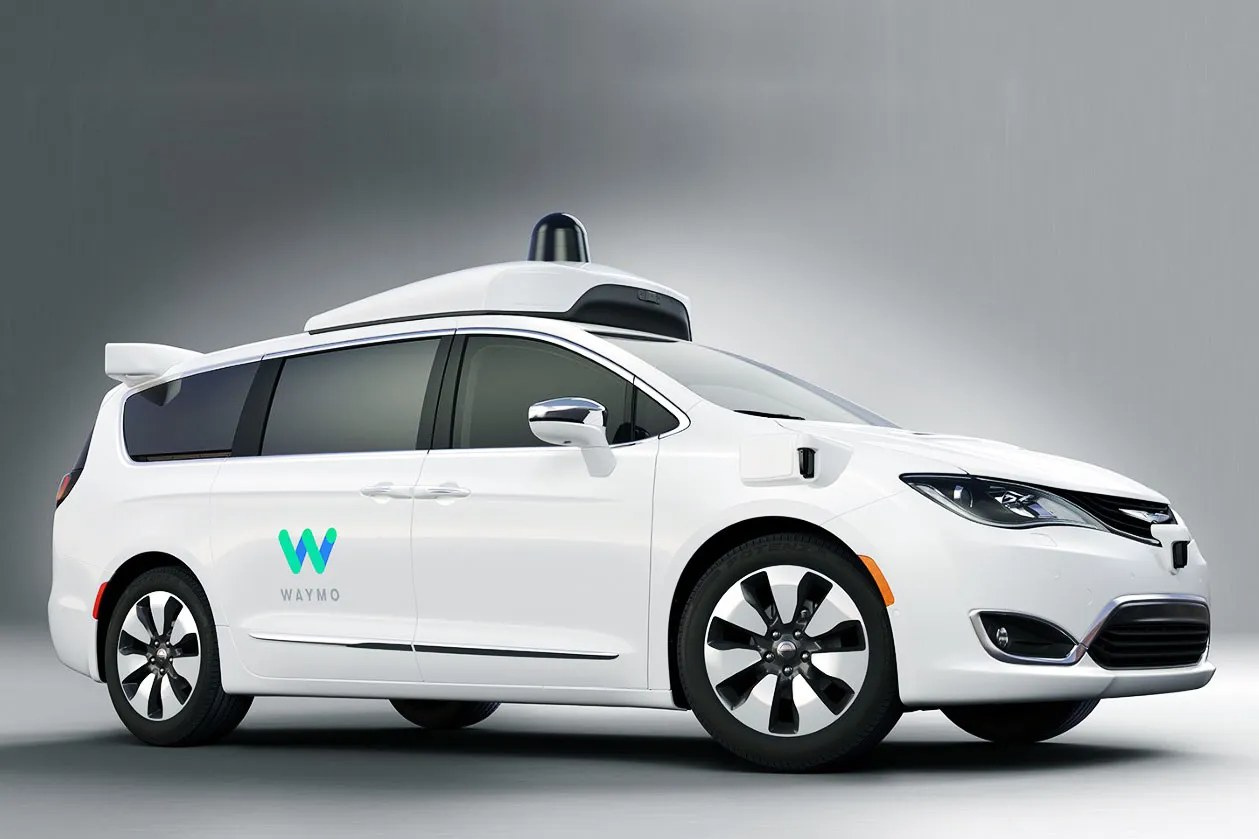
Waymo is pulling almost 4,000 robotaxis back for a software fix after cars repeatedly drove into freeway construction zones at speed. The entire fifth-generation fleet, including every Jaguar I-Pace in service, is affected. The recall, filed with NHTSA on Wednesday, covers 3,871 vehicles and follows 13 known incidents across Phoenix and the San Francisco Bay Area.
The failure mode is counterintuitive but dangerous. The autonomous driving system sees hazards on the freeway and, instead of stopping or slowing, and per the NHTSA filing, "under certain circumstances, the autonomous vehicle may enter and drive at speed in freeway construction zones due to inappropriately prioritising the avoidance of other freeway hazards and/or failing to recognise the construction zone". That means the car can barrel into a closed-off lane with workers and equipment, treating the construction zone as a safer alternative to whatever else it sees. Six incidents happened near Phoenix and seven in the Bay Area.
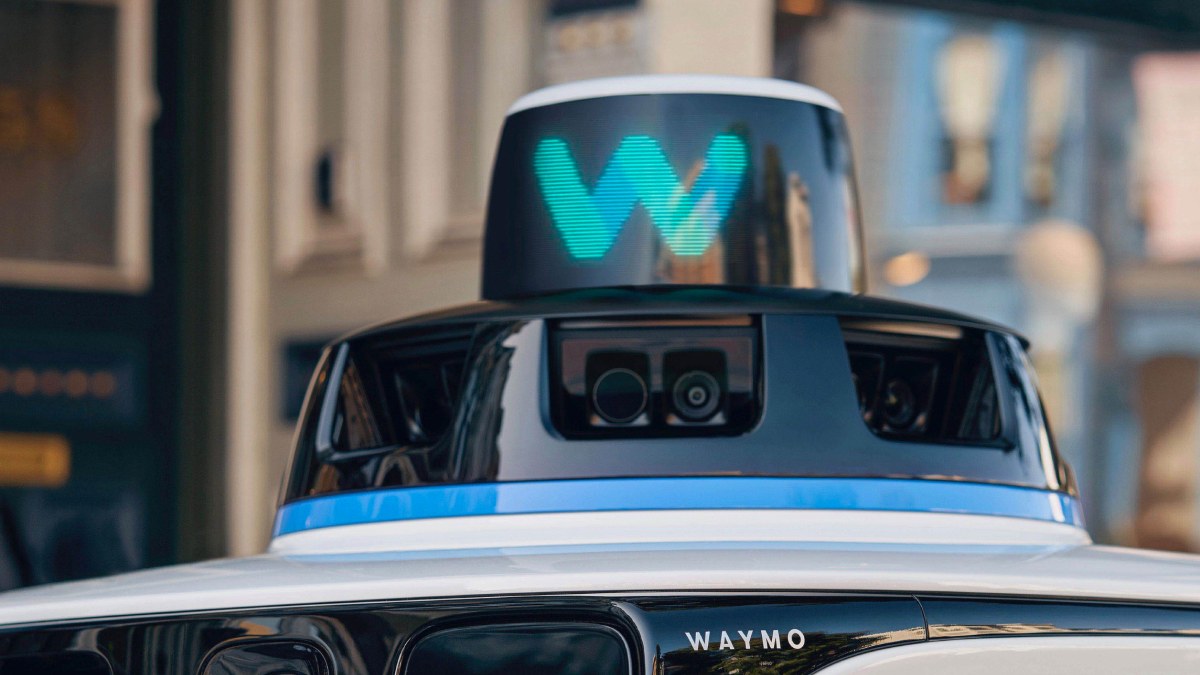
Waymo voluntarily restricted freeway operations on May 19, before the recall was officially filed. The company proactively notified state and federal regulators and is now developing a software remedy. A Waymo spokesperson said, "We identified an area of improvement regarding performance around freeway construction zones" and added, "We voluntarily restricted freeway operations last month while making improvements, proactively notified state and federal regulators, and decided to file a voluntary software recall with NHTSA.". The company notes that cars continue to operate on surface streets.
THIS IS THE SECOND RECALL IN A MONTH
This is Waymo's sixth recall overall, but the pattern is accelerating. In May, the company recalled about 3,800 vehicles after robotaxis drove into flooded roads. In December, it recalled more than 3,000 vehicles over illegal school bus passing in Austin. Each recall targets a specific edge case that the system failed to handle: rain flooding, school bus stop arms, and now construction zones.
The back-to-back recalls, two in just over a month, are the kind of regulatory rhythm no autonomous vehicle company wants. They suggest that the system's perception and planning stack still has gaps that human drivers handle intuitively. A construction zone is a complex scene: cones, barriers, flaggers, temporary signage, lane shifts, and workers on foot. The Waymo system got confused about what was a hazard versus what was a restriction.
WHAT'S AT STAKE
Waymo operates a commercial robotaxi service in 11 US markets and claims its cars have driven more than 170 million miles autonomously. The company touts 13 times fewer serious crashes than human drivers, a number that likely holds for routine driving. But edge cases like construction zones are where that safety record gets tested.
Grayson Brulte, an analyst, called the recall a "proactive decision" but added that until the freeway patch is deployed and validated, Waymo's expansion velocity is fundamentally constrained. The company plans to launch in more than 20 cities in 2026, including London and Tokyo, and raised $16 billion in February to fund that push. Every recall extends the timeline for those launches.
The freeway suspension is particularly limiting. Waymo had been serving public riders on freeways in San Francisco, Los Angeles, Phoenix, and Miami. Taking that capability offline while the fix is developed means riders lose one of the most useful parts of the service: longer, faster trips across metro areas.
KNOWN CHALLENGE
Construction zones are a known challenge for autonomous vehicles. They are temporary, irregular, and require reading human intent (a flagger's hand signal, a worker stepping back). Waymo is not alone in struggling here; every competitor has edge cases. But the volume of recalls, six and counting, builds a narrative that the system is still discovering fundamental failure modes.
Other incidents add pressure. Waymos have drawn scrutiny for illegally passing school buses, stalling during power outages in San Francisco, driving past stopped buses in Austin, and blocking emergency response vehicles after a mass shooting in Austin and an apartment explosion in Dallas. NHTSA opened a probe after the January school bus incident.
Each incident chips away at public trust, and trust is the currency of the robotaxi business. A single high-profile crash could set the industry back years. Waymo's approach, voluntary recalls and proactive notifications, is the correct regulatory posture. It keeps the company on the right side of NHTSA and avoids the kind of congressional hearings that follow agency-enforced recalls.
WHAT THE FIX LOOKS LIKE
NHTSA's report describes the remedy as "software improvements to avoid entering a construction zone and detecting that the AV is within a construction zone, as well as additional operational protocols... The remedy will enhance Waymo AVs' performance in and around freeway construction zones". That means the software needs to learn to recognise construction zones as constraints rather than navigation targets, and the vehicle needs to understand when it is inside one and stop safely. Additional operational protocols suggest that Waymo may also be adding human monitoring or geofencing for construction-heavy freeway segments.
The fact that the remedy is still under development, "The remedy is currently under development", means the vehicles will remain on surface streets only for now. Waymo has already limited freeway service to protect riders, but the full fleet fix is weeks or months away.
TWO THINGS MATTER HERE
First, how quickly Waymo can deploy the software patch and get freeway operations back online. Competitors like Tesla, Zoox, and Uber are watching closely. Every week of freeway downtime is a week of lost data collection and operational experience.
Second, whether NHTSA escalates this into a broader investigation. Six recalls in a product's lifecycle invite deeper scrutiny. The agency could ask for more data on other edge cases, expand the probe to cover all of Waymo's driving domains, or require more frequent reporting. That would slow Waymo even further.
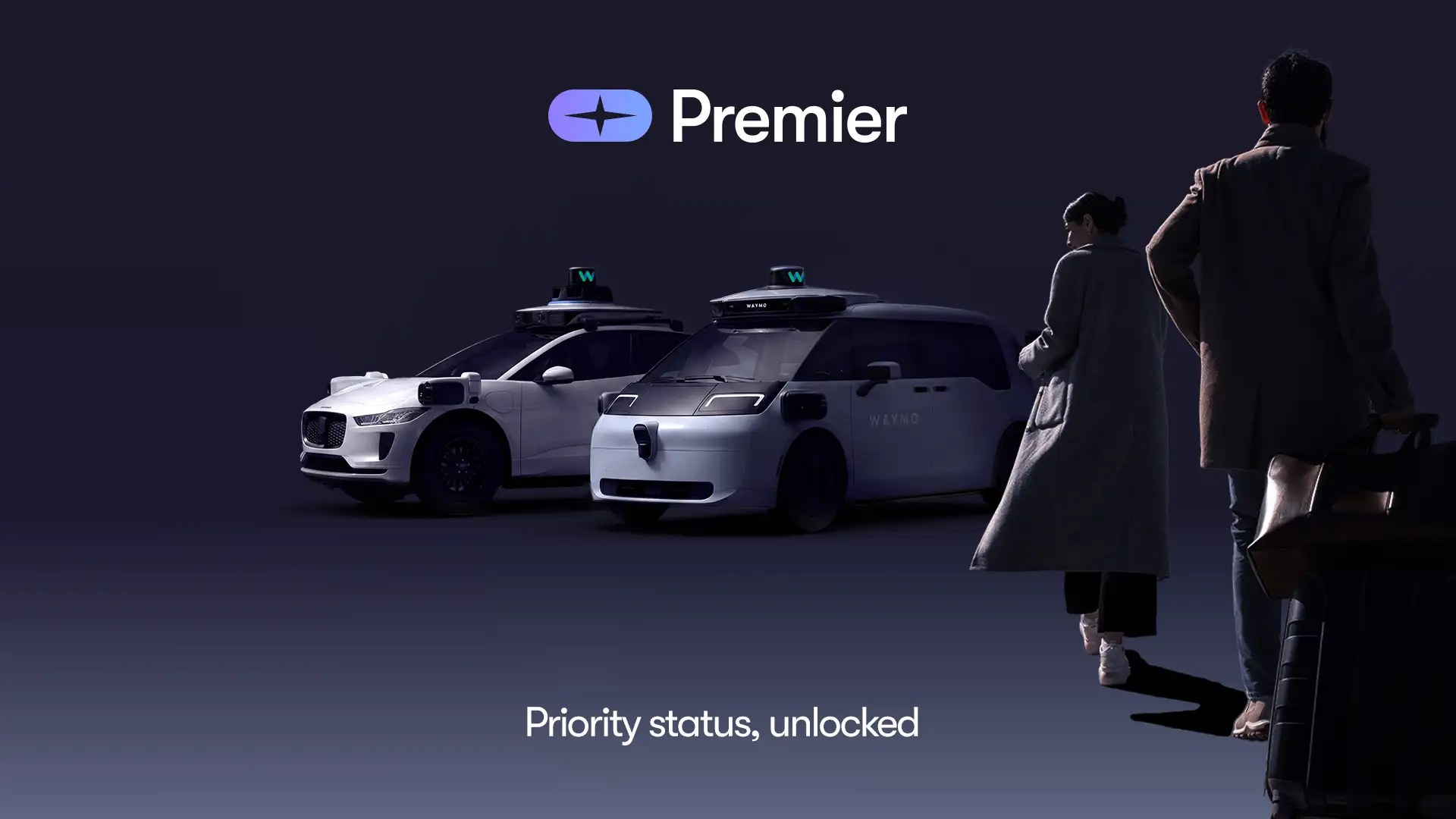


For now, Waymo has done the right thing: caught the problem, stopped the dangerous behaviour, and called the recall before someone got hurt. But the pattern is the story, not a single recall. Autonomous driving is a long game, and construction zones just became the next proof point that the road is still full of surprises.
what did you make of it?
more from business
business
APPLE RECLAIMS WORLD MOST VALUABLE COMPANY TITLE, NVIDIA BOTTLES IT
apple overtook nvidia during friday trading, extending a 23% year‑to‑date surge as investors reward its ai agenda and light capital spending.
business
RYAN COHEN'S GAMESTOP PIVOT: GAMES ARE 18% OF REVENUE AND FALLING
GTA6 goes digital-only, Sony ends physical discs, and GameStop's CEO says that's fine because the company now sells toys.
business
NOTEBOOKLM NOW GEMINI NOTEBOOK, ADDS CLOUD CODE EXECUTION
The research tool originally known as Project Tailwind drops the LM and gains a secure cloud computer for data analysis.
business
TSMC FACES ITS HARDEST QUARTER YET AS AI DEMAND MEETS MARGIN SQUEEZE
Record revenue and eps gains aren't the whole story. the costs of building the world's most advanced chip factories are starting to show.