WAYMO EXPANDS DRIVERLESS TO SAN DIEGO, LAS VEGAS, TAMPA & DENVER
the Alphabet-owned robotaxi company will soon serve more than 10 US cities without human safety drivers, starting with employees.
by editor5 min readcomments soon
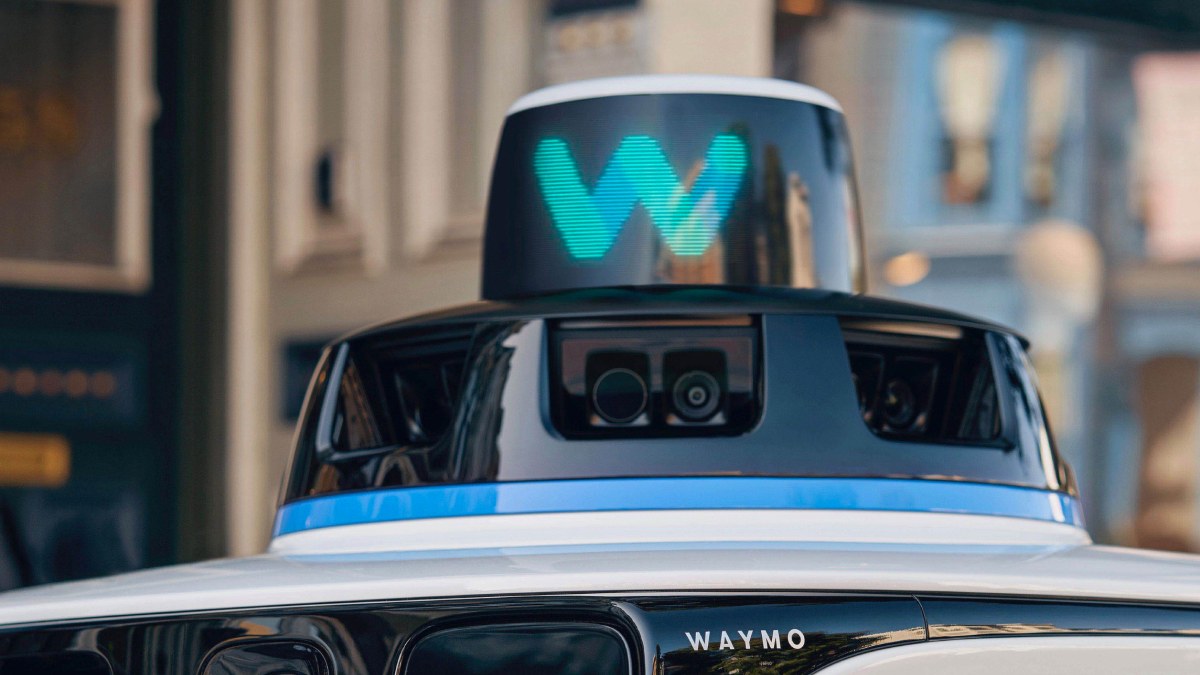
Waymo is removing the human from behind the wheel in four more US cities. San Diego, Las Vegas, Tampa, and Denver are about to get fully autonomous Waymo vehicles, initially for employees only, with public rides following shortly. That pushes the total count of cities where Waymo operates true driverless robotaxis to more than 10, a meaningful milestone for any autonomous vehicle company and a loud signal that Alphabet's bet on the technology is accelerating.
The four new markets join Dallas, Houston, Orlando, and San Antonio, which already run Waymo vehicles without a safety driver. The expansion means Waymo now blankets a significant portion of the Sun Belt and the Mountain West, with dense urban cores that present different driving challenges than the sun-scorched sprawl of Phoenix where the company cut its teeth.
THE OPERATING MODEL
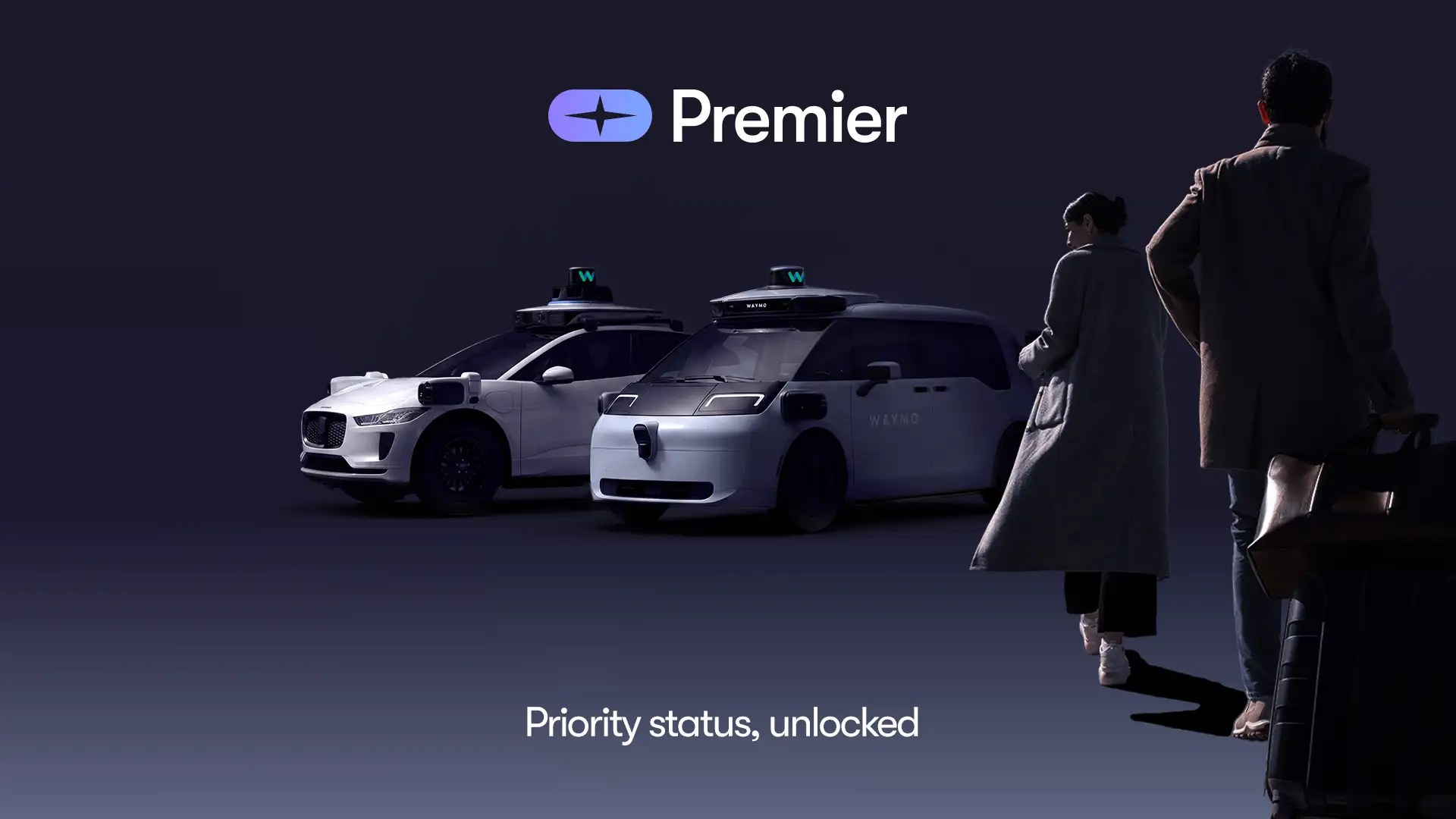
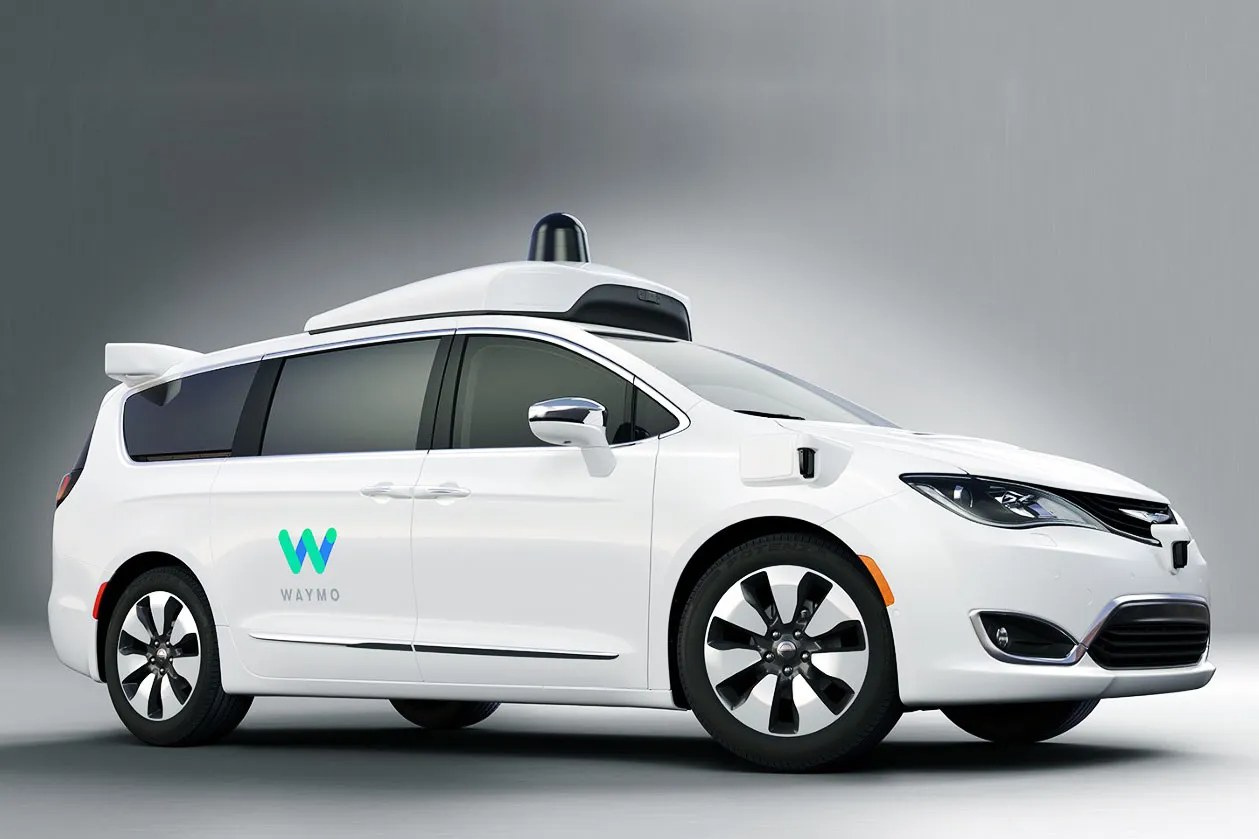
Each new city will start with a supervised rollout, rides limited to Waymo employees while the system learns the local traffic patterns, construction zones, and weird roundabouts. Once the fleet clears whatever internal bar Waymo uses to declare a city safe, the doors open to the public. That phased approach is deliberate: it lets the company iterate on edge cases before trust-demanding passengers climb in. It also means the public launch could take weeks or months, depending on what the employee fleet encounters.
The move to fully autonomous operations in these four cities follows a pattern Waymo has refined in its existing driverless markets. The company does not announce a hard timeline for the public phase, only that it will come. That vagueness protects against missed deadlines and gives the operations team room to fix problems before anyone outside the company sees them.
THE INTERNATIONAL FRONT
Waymo has also started testing in London, its first international city. The London operation is early stage, likely mapping and low-speed data collection rather than commercial rides. But the choice of London is interesting. The city has dense traffic, narrow streets, left-hand drive, and aggressive cyclists. If Waymo can handle London, it can probably handle most of Europe.
The launch has not been entirely smooth. Some residents of a cul-de-sac complained about Waymo vehicles waking them up as they reversed out of the street. The noise issue is a classic robotaxi growing pain that every autonomous operator eventually faces. Electric vehicles are silent at low speeds, but the backup beepers and cooling fans can still annoy neighbours who live on a quiet dead end. Waymo will likely update its routing or adjust its operating hours in that specific area, but the anecdote is a reminder that scaling autonomy means negotiating with humans who do not care about the technology.
THE UBER SPLIT
Meanwhile, the partnership with Uber is dead. In Phoenix, where the two companies had a pilot allowing Uber users to hail a Waymo, that option is gone. You can no longer book a Waymo ride through Uber's app. Waymo is still available through its own app, which is the primary channel anyway, but the split underscores a shift in strategy.
Uber is now working on its own robotaxis with Lucid and Nuro. That is a direct pivot. Uber spent years arguing that autonomy was too hard and that it would be better to partner than build. Now it is building. The pairings make sense. Lucid brings a luxury EV platform with advanced drive-by-wire systems, and Nuro brings low-speed autonomous delivery experience that could scale into passenger operations. Uber brings the network, the routing software, and the regulatory muscle. It is a credible threat to Waymo, even if it is years behind.
The timing of the split is telling. Waymo is entering its aggressive scaling phase. It no longer needs Uber's demand generation. Uber, in turn, realises that being a distribution partner for a direct competitor in the autonomous space is a bad long-term bet. The two are now on a collision course that will define the next decade of urban mobility.
THE OVER-10 MILESTONE
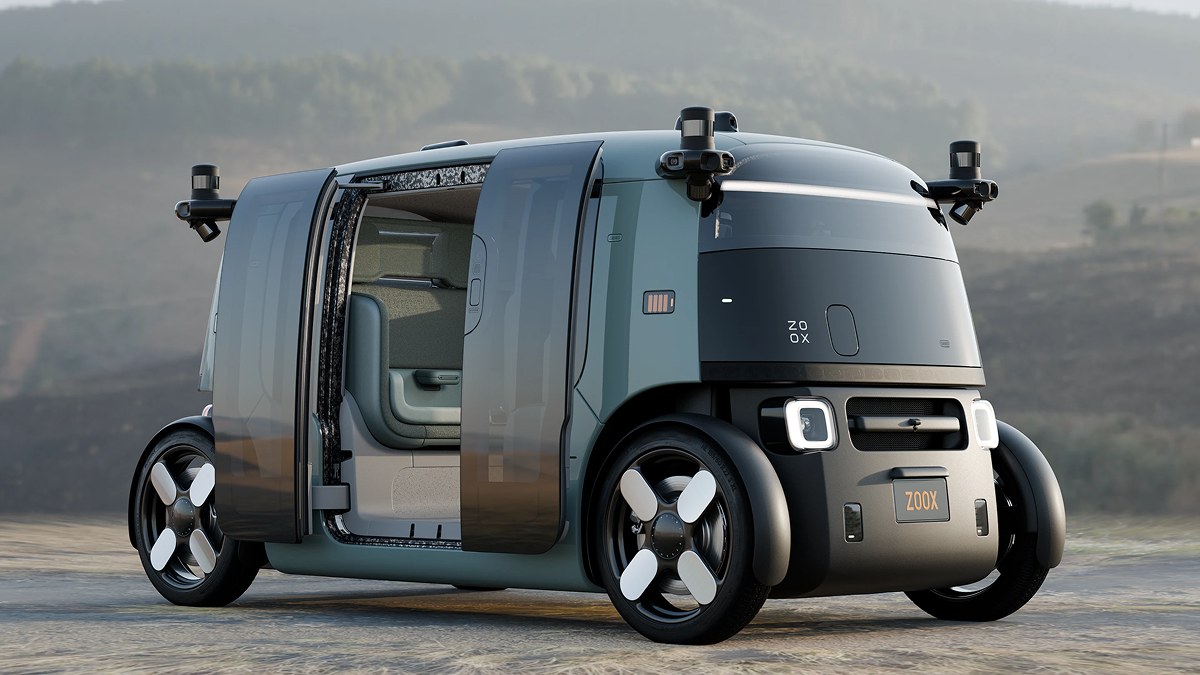
Reaching more than 10 cities is a psychological line in the autonomous vehicle industry. No other company has reached it with true driverless operations. Cruise had a handful before its California license was suspended. Zoox is still in a testing phase. Baidu's Apollo Go operates in a few Chinese cities but under different regulations. Waymo's lead is now measurable in markets, not just miles.
But density matters as much as count. Serving Las Vegas and San Diego means Waymo is chasing tourist and convention traffic, which is high-value and predictable. Tampa and Denver add more conventional commuting and airport runs. The mix is intentional: a portfolio of city types helps the company generalise its software across different street grids, weather patterns, and pedestrian behaviours.
WHAT COMES NEXT
The public launch in these four cities is the near-term event to watch. Once Waymo opens the app to everyone in San Diego or Denver, the press coverage will spike, and the regulatory scrutiny will follow. The company has so far avoided the kind of high-profile accidents that derailed competitors, but scale multiplies exposure. A collision in a new city with an unfamiliar driving culture could set back expansion in that region.
The London tests are a longer-term signal. If they lead to a commercial service, Waymo will be the first Western company to operate robotaxis outside its home country. That would open a whole new competitive front, but also a whole new set of regulatory relationships.
For now, the story is simple. Waymo is the only company operating real, driverless robotaxis at this scale. Uber is trying to catch up. The cities are growing. And a cul-de-sac in London just wants to sleep.
what did you make of it?
more from consumer tech
consumer tech
GOOGLE ADDS YOUTUBE MUSIC, INSTACART & CANVA TO AI MODE SEARCH
Starting this week, US users can ask AI Mode to make a playlist, fill a grocery cart, or design a flyer without leaving the search…
consumer tech
ONEPLUS DEAD IN THE WEST, OPPO OVERLORDS PULL PLUG
The brand that built its reputation on has settled for leaving its biggest markets. Existing phones still work. New ones won't come.
consumer tech
GOOGLE PIXEL 10 PRO DROPS TO 699, BEST DEAL YET!
A $300 discount on the 128GB model undercuts Prime Day pricing and signals a clear runway to the pixel 11 launch.
consumer tech
APPLE RAISES APPLE ON BUNDLE FOR FAMILY AND PERMIER PLANS
the Family plan jumps $2 to $27.95 a month and the Premier to $39.95; Apple hasn’t explained the bundle increase beyond citing music licensing for…