SPACEX PLANS DTC MOBILE NETWORK, TAKES ON VERIZON & AT&T
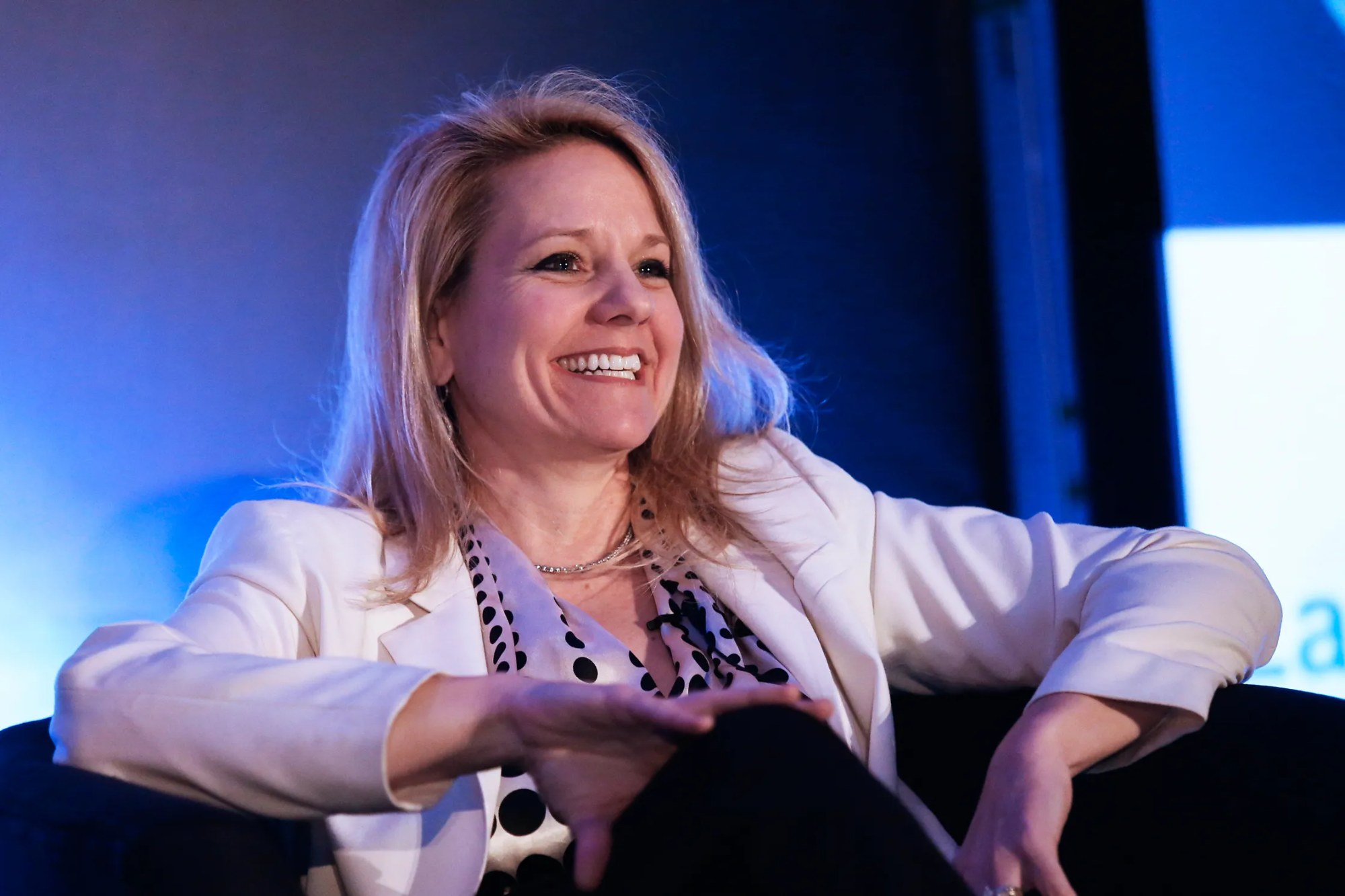
SpaceX president Gwynne Shotwell told investors the company could build its own terrestrial mobile network, bypassing the carrier partnerships that currently mediate access to Starlink.
by editor5 min readcomments soon
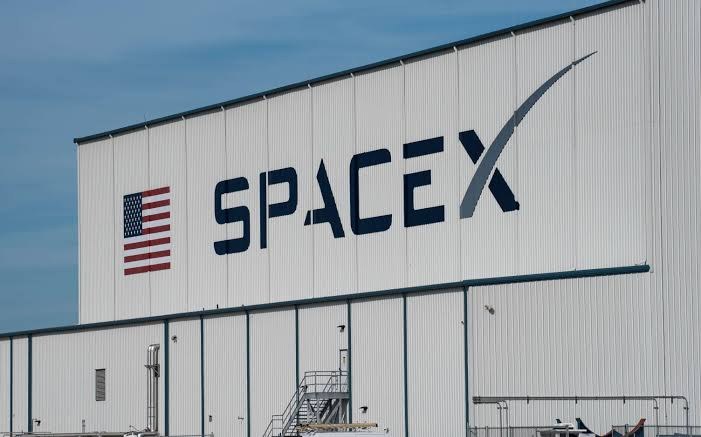
SpaceX is planning a Starlink mobile service that would go head-to-head with Verizon, AT&T, and T-Mobile, a more aggressive move than its existing arrangement with T-Mobile to fill coverage gaps. President Gwynne Shotwell disclosed the plan during a recent IPO roadshow, telling investors SpaceX could build its own terrestrial network and sell directly to consumers under the Starlink brand.
The disclosure, reported by Reuters, rests on unnamed sources rather than a formal SpaceX announcement. SpaceX did not respond to a request for comment, and no price or launch date has been set. The plan remains at an early stage, but the direction is clearly more ambitious than the partnership route the company has taken so far.
THE SPECTRUM PLAY
SpaceX backed the plan with real money. It paid roughly $17 billion for wireless spectrum licenses from EchoStar. A follow-on deal worth $2.6 billion involving more EchoStar spectrum closed in November, extending the company's ability to deliver direct-to-cell service over those frequencies.
Those acquisitions give SpaceX a key input that most new entrants lack: licensed, low-band spectrum that can propagate through buildings and over long distances. The same frequencies that let carriers blanket cities let Starlink's satellites connect directly to ordinary phones without a dish. Through its existing T-Mobile arrangement, SpaceX beams a supplemental signal from orbit to fill coverage gaps in areas that ground-based towers cannot serve.
Selling under its own retail banner would let SpaceX reach subscribers without routing business through the carrier partnerships that today mediate access to its satellite network. The economics shift from wholesale to retail, and the customer relationship belongs entirely to Starlink.
THE CARRIER ALLIANCE THAT CAME FIRST
The current T-Mobile arrangement is narrower than what Shotwell described. Starlink beams a supplemental signal from orbit to fill coverage gaps in areas that ground-based towers cannot serve. Think national parks, remote highways, disaster zones. It is not designed to replace a primary mobile plan, and it runs inside T-Mobile's billing system.
That partnership gave SpaceX its first taste of selling mobile connectivity without building cell towers. It also showed the limits of wholesale: T-Mobile controls the pricing, the storefront, and the subscriber relationship. If SpaceX wants to set its own prices, design its own plans, and own the customer lifetime value, it needs its own network. Shotwell's pitch to investors suggests she sees the carrier role as a stepping stone, not a final state.
REVENUE CONTEXT
Starlink contributed $11.39 billion of SpaceX's $18.67 billion in total 2025 revenue. That is roughly 61 per cent of the company's top line. The consumer broadband business is already the financial engine that funds the Mars ambitions. Adding mobile service would open a much larger addressable market. Broadband subscribers globally are measured in the millions. Mobile subscribers are measured in the billions, and the average revenue per user in the U.S. is among the highest in the world.
The bet makes sense on paper. The execution is the hard part.
THE OBSTACLES
Formidable barriers stand in the way. The three dominant carriers have each invested vast sums over many years to establish the infrastructure, storefronts, and subscriber loyalty that define the U.S. mobile market.
SpaceX has none of that. It has spectrum and satellites. It does not have cell towers, retail stores, customer service infrastructure, or the carrier relationships with handset makers that determine which phones work on which network. Building a terrestrial network from scratch in a country with existing coverage as good as the U.S. is a different order of magnitude from launching satellites. Terrestrial buildout requires real estate, construction permits, backhaul agreements, and years of regulatory approval for tower sites. The spectrum SpaceX bought is valuable, but it is not enough.
The current Starlink mobile service fills coverage gaps. A primary mobile plan must work everywhere: in basements, elevators, stadiums, suburbs. Satellite signals do not penetrate concrete the way ground-based low-band spectrum does, and they struggle with the latency that real-time voice and video demand. A terrestrial overlay (small cells, distributed antennas) would help, but that is exactly the physical infrastructure SpaceX does not own.
WHAT SUCCESS WOULD LOOK LIKE
A realistic path would probably start in areas where carrier coverage is weakest: rural counties, tribal lands, state highways where the big three have little incentive to invest. SpaceX could sell a mobile plan that works well in the places existing carriers ignore and works passably in cities through roaming agreements. That is the T-Mobile partnership in reverse: instead of using satellites to fill carrier gaps, SpaceX would use carriers' towers to fill its own gaps while it builds out its own ground presence.
The economics of that approach are unproven. Roaming rates for data are high, and if SpaceX sells a primary plan that roams onto AT&T towers half the time, the margins evaporate. The more likely shape is a hybrid: satellite-dominant service in low-density areas, with a thin ground network in cities to handle the coverage expectations consumers have after a decade of LTE.
THE BOTTOM LINE
Shotwell told investors SpaceX could build its own mobile network. That does not mean it will, or that it should. That gap is one of the formidable barriers that stand in the way. The most interesting question for now is whether SpaceX actually files the paperwork to become a licensed carrier. Until it does, this is a roadshow pitch, not a product launch.
what did you make of it?
more from business
business
APPLE RECLAIMS WORLD MOST VALUABLE COMPANY TITLE, NVIDIA BOTTLES IT
apple overtook nvidia during friday trading, extending a 23% year‑to‑date surge as investors reward its ai agenda and light capital spending.
business
RYAN COHEN'S GAMESTOP PIVOT: GAMES ARE 18% OF REVENUE AND FALLING
GTA6 goes digital-only, Sony ends physical discs, and GameStop's CEO says that's fine because the company now sells toys.
business
NOTEBOOKLM NOW GEMINI NOTEBOOK, ADDS CLOUD CODE EXECUTION
The research tool originally known as Project Tailwind drops the LM and gains a secure cloud computer for data analysis.
business
TSMC FACES ITS HARDEST QUARTER YET AS AI DEMAND MEETS MARGIN SQUEEZE
Record revenue and eps gains aren't the whole story. the costs of building the world's most advanced chip factories are starting to show.