JUDGE APPROVES MUSK SEC SETTLEMENT
Sparkle Sooknanan signed off on the $1.5 million penalty but questioned whether the deal made a mockery of judicial power.
by editor4 min readcomments soon
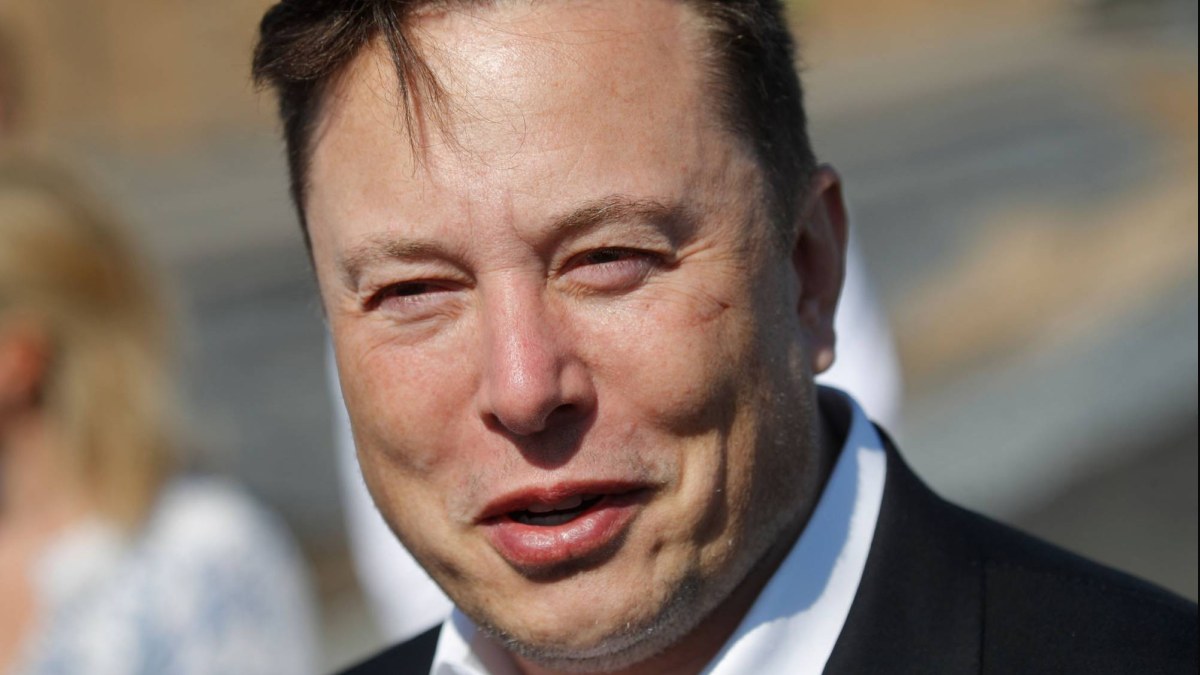
A federal judge approved a $1.5 million settlement between Elon Musk and the Securities and Exchange Commission, but she did not hide her discomfort with the outcome. U.S. District Judge Sparkle Sooknanan accepted the consent judgment while noting that her court was limited to evaluating whether the proposed deal met minimum standards of fairness; alternatively, she did not answer that question aloud, but the framing itself was a signal.
The settlement resolves a lawsuit the SEC filed in early 2025 over Musk's failure to disclose his growing stake in Twitter in 2022. The SEC alleged that the delay let Musk buy additional shares at artificially low prices, saving him roughly $150 million. The penalty, $1.5 million paid by a trust in Musk's name, represents 1% of that alleged savings, and the settlement explicitly does not require Musk to admit wrongdoing.

A RELUCTANT APPROVAL
Sooknanan's order did not rubber-stamp the deal. She pointed to the limits of her role: the court could only assess whether the consent judgment was procedurally fair and whether it violated public policy. It did not have the authority to rewrite the terms or second-guess the SEC's prosecutorial discretion. That narrow lane frustrated her, and she said so. She noted that the settlement raised questions about equal treatment under the law, especially given Musk's relationship with the Trump administration. Musk helped bankroll Donald Trump's 2024 presidential campaign, and Sooknanan had previously questioned publicly whether Musk was receiving special treatment.
Her ruling left the settlement intact, but the language carried an edge. A judge who uses the phrase in the same document as a settlement approval is telling the parties something. The SEC and Musk got the deal they wanted, but they received a judicial opinion that will follow the case in any future proceeding or any future case involving Musk.
THE $150 MILLION QUESTION
The math on the penalty is worth staring at. The SEC alleged that Musk saved $150 million by waiting to file. The settlement extracts $1.5 million, or 1% of that figure. For a person whose net worth fluctuates by billions in a single trading session, $1.5 million is the price of a minor vehicle fleet. The structure of the settlement (a trust pays the fine, no admission, no ongoing oversight) is standard for SEC deals with corporate executives. Standard does not mean satisfying. The gap between the economic harm alleged and the financial consequence imposed is the precise reason Sooknanan flagged the fairness question.
Musk's legal team likely wanted the settlement because it closes the SEC investigation without findings of fact that could be used in the separate shareholder lawsuits that followed the delayed disclosure. Those private suits are not bound by the SEC settlement, but the lack of an admission makes it harder for plaintiffs to use the regulatory outcome as a shortcut to liability. From Musk's perspective, $1.5 million is cheap insurance against a more expensive discovery process.
IS THIS SPECIAL TREATMENT...
Sooknanan's concern about unequal treatment is not baseless. Critics of the settlement have pointed to the timing: the SEC filed the lawsuit in early 2025, after Trump took office, and Musk had been one of the former president's most visible supporters during the 2024 campaign. Whether the outcome reflects leniency or normal variation in SEC enforcement is hard to prove from the public record alone. What the record does show is that the judge was unwilling to give the settlement an unqualified endorsement. That is a meaningful data point for anyone tracking the independence of the judiciary from political influence.
THE BOTTOM LINE
The $1.5 million check has been signed, and the case is closed. But the judge's reluctance to bless the deal without a pointed remark about judicial power means the settlement comes with a cloud of judicial scepticism that Musk and the SEC will have to answer for the next time either party appears before a federal court. Sooknanan did not say the settlement was a mockery. She just asked the question. The next judge who reads that order may not be as restrained.

For investors, the lesson is that the SEC's enforcement against high-profile figures remains deeply unpredictable — low-dollar settlements coexist with existential penalties, and the political environment around the agcoloursolors every case. The safest assumption is that the disclosure rules still apply to everyone, but the consequences for breaking them are not evenly distributed.
what did you make of it?
more from business
business
APPLE RECLAIMS WORLD MOST VALUABLE COMPANY TITLE, NVIDIA BOTTLES IT
apple overtook nvidia during friday trading, extending a 23% year‑to‑date surge as investors reward its ai agenda and light capital spending.
business
RYAN COHEN'S GAMESTOP PIVOT: GAMES ARE 18% OF REVENUE AND FALLING
GTA6 goes digital-only, Sony ends physical discs, and GameStop's CEO says that's fine because the company now sells toys.
business
NOTEBOOKLM NOW GEMINI NOTEBOOK, ADDS CLOUD CODE EXECUTION
The research tool originally known as Project Tailwind drops the LM and gains a secure cloud computer for data analysis.
business
TSMC FACES ITS HARDEST QUARTER YET AS AI DEMAND MEETS MARGIN SQUEEZE
Record revenue and eps gains aren't the whole story. the costs of building the world's most advanced chip factories are starting to show.