IS AI THE NEW SPACE RACE? OPENAI IPO FILING KINDA CONFIRMS IT.
The ChatGPT maker has confidentially submitted its S-1 to the SEC, weeks after rival Anthropic made its own filing. Neither company is expected to go public anytime soon.
by editor4 min readcomments soon
OpenAI confirmed Friday that it has filed for an initial public offering, becoming the second major AI startup in as many weeks to take the first concrete step toward a public stock listing. The company submitted a confidential Form S-1 to the US Securities and Exchange Commission, the same route rival Anthropic took when it filed on June 1st.
The timing remains deliberately vague. OpenAI said the IPO may be delayed because there are things the company wants to do that are easier as a private entity. That framing fits the reality: the company does not turn a profit and is not expected to in the near term.

THE NUMBERS LOOK LIKE THIS
OpenAI was most recently valued at $852 billion. Anthropic, which filed its S-1 just a week earlier, commands a slightly higher valuation at $965 billion, making it the world's most valuable startup. The two AI labs are now in a quiet race (the "AI race" if you will) to see which one can complete the IPO process first, though both have every incentive to take their time.
The valuations tell an incomplete story though. OpenAI has been preparing to go public for months, according to filings, but internal friction has emerged around how fast to move. CFO Sarah Friar hasn't been as enthusiastic about a fast-tracked IPO as CEO Sam Altman, people familiar with the matter told reporters. The tension reflects a broader reality: the company has missed revenue targets and user growth projections, and there are lingering concerns about whether OpenAI can fund its massive compute spending commitments.
THE COMPUTE QUESTION
OpenAI initially told investors it planned to spend $1.4 trillion on compute infrastructure. By February, that number was revised dramatically downward to $600 billion by 2030, a figure that still represents an extraordinary capital commitment for a company losing money.
The compute costs are the crux of why both OpenAI and Anthropic need to go public. A stock offering gives each company a mechanism to raise the billions required to train and deploy increasingly expensive models. Neither company can sustain the spending cadence on venture funding alone, and both have burned through significant capital already.
Anthropic's own compute bills are eye-opening, the company pays $15 billion per year to use SpaceX data centers, a relationship that underscores how intertwined the AI and space industries have become.
THE MUSK EQUATION
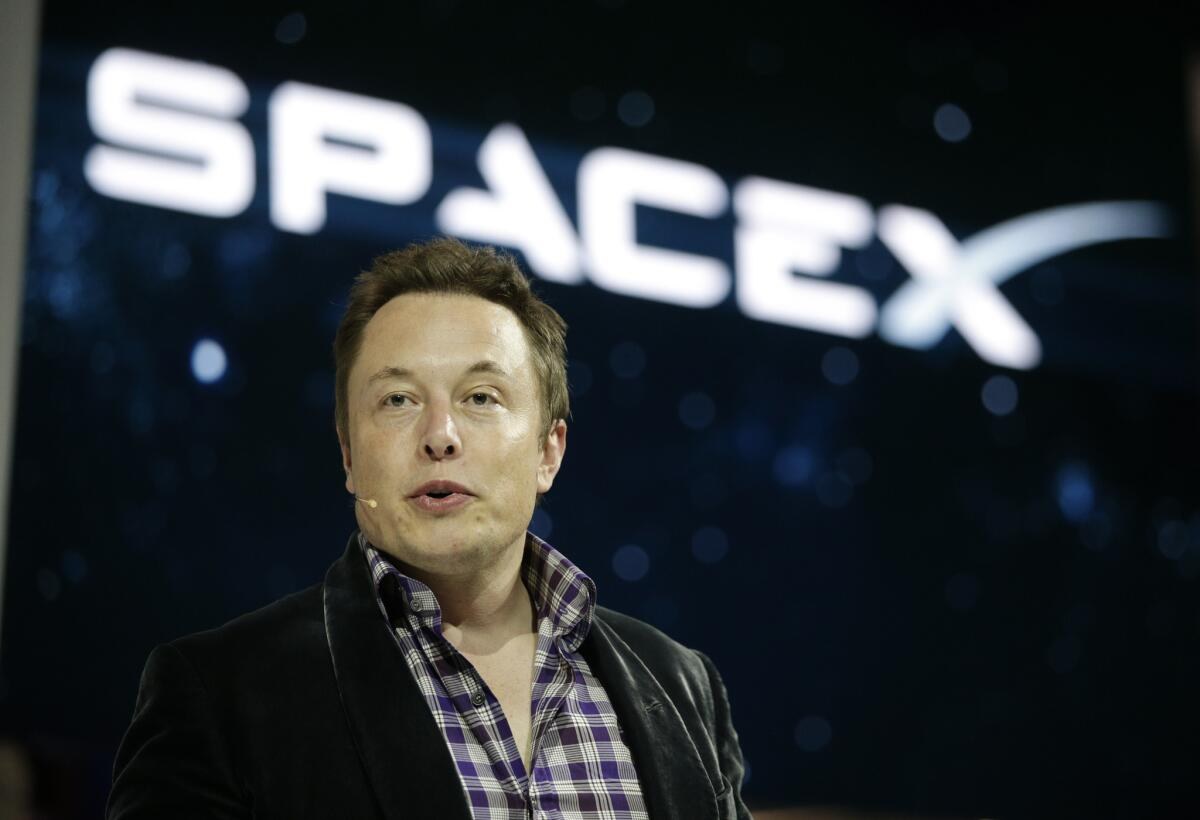
The AI IPO race overlaps with another massive public offering in the Musk orbit. SpaceX is currently set to raise $80 billion in its public debut, which would make it the biggest IPO of all time. The planned June 12 listing is targeting a valuation that will dwarf most tech listings in history.
SpaceX acquired xAI, the OpenAI competitor founded by Musk, further tightening the connection between the two AI players and the SpaceX empire. Musk himself is still involved in OpenAI's governance disputes, with the ongoing legal fight between him and Altman over the company's direction showing no signs of resolution.
SO WHAT"S NEXT?
The confidential S-1 filings mean full financial details remain private for now, which is standard practice for companies testing market conditions before committing to a timeline. Both OpenAI and Anthropic will need to eventually disclose revenue, losses, and user metrics when they go public, and those numbers will determine whether the market values them like tech giants or treats them like the high-risk, high-reward bets they currently are.
For now, the filing is a formality that signals intent rather than urgency. The real question is whether either company can convince public market investors that their losses are temporary and that the compute investment will eventually pay off in a sustainable business model.
what did you make of it?
more from business
business
APPLE RECLAIMS WORLD MOST VALUABLE COMPANY TITLE, NVIDIA BOTTLES IT
apple overtook nvidia during friday trading, extending a 23% year‑to‑date surge as investors reward its ai agenda and light capital spending.
business
RYAN COHEN'S GAMESTOP PIVOT: GAMES ARE 18% OF REVENUE AND FALLING
GTA6 goes digital-only, Sony ends physical discs, and GameStop's CEO says that's fine because the company now sells toys.
business
NOTEBOOKLM NOW GEMINI NOTEBOOK, ADDS CLOUD CODE EXECUTION
The research tool originally known as Project Tailwind drops the LM and gains a secure cloud computer for data analysis.
business
TSMC FACES ITS HARDEST QUARTER YET AS AI DEMAND MEETS MARGIN SQUEEZE
Record revenue and eps gains aren't the whole story. the costs of building the world's most advanced chip factories are starting to show.