REMEMBER THE T1 PHONE 8002? YEAH, ITS PROBABLY A SCAM
A $100 deposit secured a $499 phone with no release date. A year on, it's unclear if it will ever arrive.
by editor5 min readcomments soon
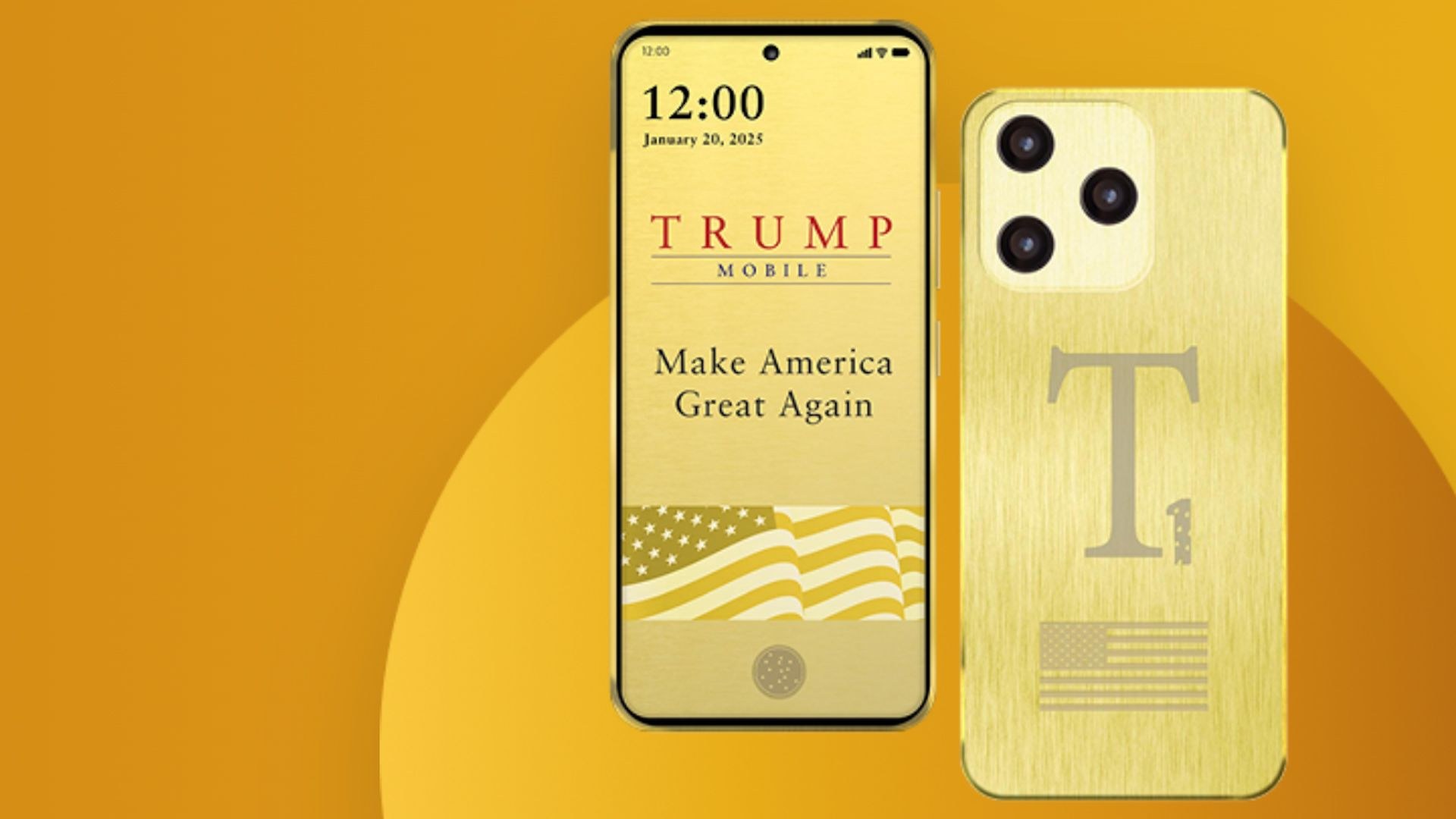
One year after the T1 Phone 8002 (gold version) was announced for preorder, the people who put down $100 deposits are still waiting. The phone was supposed to cost $499 and be designed and built in the United States. It had no release date then, and it has no release date now. A year later, it is still unclear if the T1 Phone will ever ship.
The preorder model is a familiar one in the gadget world, especially for small hardware startups that lack the capital to manufacture at scale. A deposit effectively becomes a zero-interest loan from the customer to the company, with the promise of a product at some uncertain future point. Sometimes it works. Often it does not. The T1 Phone sits in the latter camp so far, with no public update that clarifies when or whether the gold version of the phone will reach the people who paid for it.

WHAT THE T1 PHONE 8002 PROMISED
The T1 Phone 8002 was marketed as a premium device with a gold finish, priced at $499. Its key differentiator was the claim that it was designed and built in the United States. That is a rare claim in consumer electronics, where nearly every phone is assembled in China, Vietnam, or India. A US-made phone carries a certain patriotic appeal and also a higher cost base, which may explain the $499 price point and the deposit-to-preorder strategy.
The $100 deposit was enough to secure a spot in line but not enough to cover the full manufacturing cost of a single unit. That suggests the company needed cash flow before it could commit to a production run. It also meant customers took on all the risk. If the phone never materializes, the deposit may be lost, depending on the terms of the preorder agreement and the solvency of the company behind it.
A FULL YEAR OF SILENCE
No updates have surfaced about the T1 Phone's development status. The lack of any communication at all is a red flag. The absence of news is itself a kind of news. It suggests the internal status is worse than any timeline the company would be willing to share. For a hardware startup, a year with no update usually means the project is stalled, underfunded, or abandoned. The alternative, that the team is working quietly and will surprise everyone with a finished product, is rare in consumer electronics. Most pieces of a modern phone require long lead times for components, tooling, and regulatory testing. None of those happen in secret for a year.
THE DEPOSIT PRE-ORDER TRAP
Deposit-based preorders for products with no release date are a high-risk transaction for the buyer. The company has not yet built the product, which means the deposit is funding development, not reserving a finished unit. If the product never ships, the deposit may be impossible to recover. Small companies can dissolve or simply disappear. Even if the company remains reachable, refunding hundreds or thousands of deposits may be financially impossible if the money has already been spent on tooling or engineering.
The T1 Phone's situation is not unique. The consumer electronics graveyard is full of projects that took deposits and never delivered. The gap between a compelling product video and a shippable product is enormous. The T1 Phone 8002 fits the pattern: a promising spec, a patriotic claim, and a tiny window into the company's ability to execute.
WHAT SHOULD HAPPEN NEXT
The company behind the T1 Phone has a clear obligation to communicate with its deposit holders. A one-year checkpoint with no update is not acceptable, even for a startup. At a minimum, it should provide a status report, a revised timeline, and an option to request a refund. If the project is dead, it should be transparent about that and process refunds if possible. If the project is alive, it must explain the delay and set realistic expectations.
Deposit holders who want to recover their money should begin by checking the company's website and customer support channels. If there is no response, filing a dispute with a credit card issuer or payment processor may be the next step, depending on how the deposit was collected.


THE LESSON FOR EVERYONE
The T1 Phone story is a reminder that a product announcement is not a product. A deposit is not a purchase. And a claim of US manufacturing, while admirable, is not a guarantee. The smartphone market is brutal. The economics of small-scale US phone assembly are punishing. If the T1 Phone ever ships, it will be an impressive achievement. If it doesn't, it will be a cautionary tale for anyone tempted by a $100 deposit on a device that does not exist yet. Either way, the people who put money down deserve clarity. A year is long enough to wait for an answer.
what did you make of it?
more from consumer tech
consumer tech
GOOGLE ADDS YOUTUBE MUSIC, INSTACART & CANVA TO AI MODE SEARCH
Starting this week, US users can ask AI Mode to make a playlist, fill a grocery cart, or design a flyer without leaving the search…
consumer tech
ONEPLUS DEAD IN THE WEST, OPPO OVERLORDS PULL PLUG
The brand that built its reputation on has settled for leaving its biggest markets. Existing phones still work. New ones won't come.
consumer tech
GOOGLE PIXEL 10 PRO DROPS TO 699, BEST DEAL YET!
A $300 discount on the 128GB model undercuts Prime Day pricing and signals a clear runway to the pixel 11 launch.
consumer tech
APPLE RAISES APPLE ON BUNDLE FOR FAMILY AND PERMIER PLANS
the Family plan jumps $2 to $27.95 a month and the Premier to $39.95; Apple hasn’t explained the bundle increase beyond citing music licensing for…