VOLKSWAGEN PLANS 100,000 JOB CUTS AND FOUR PLANT CLOSURES
The restructuring could be the biggest in the automaker's 89-year history and far surpasses previously agreed reductions.
by editor4 min readcomments soon
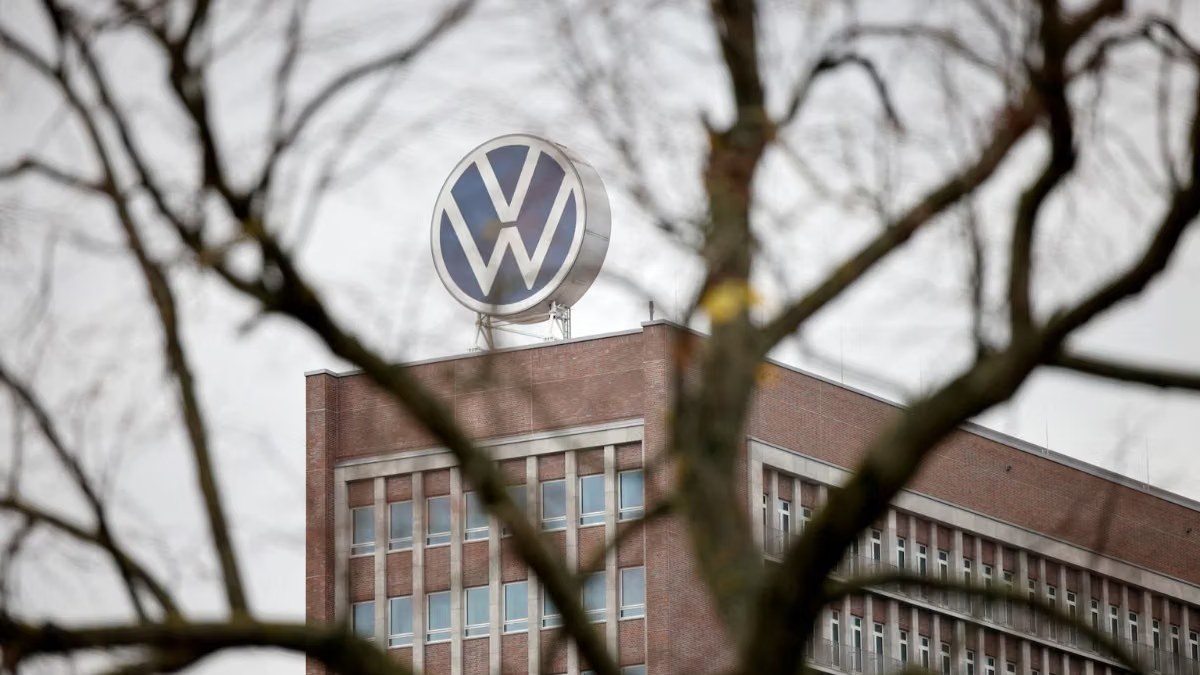
Volkswagen is preparing to cut 100,000 jobs and close four plants in Germany, according to a report from Manager Magazin that has since been corroborated by Reuters and other outlets. If the plan goes through, it could be the most dramatic overhaul in the automaker's history, slashing roughly 15% of its workforce and accelerating cost-cutting measures already on the table.
The proposals are still just proposals. Volkswagen has not officially confirmed them, and a spokesperson declined to comment on internal documents, saying the relevant facts will be discussed by the appropriate bodies. But the scale of what is being discussed signals that Europe's largest carmaker sees its current trajectory as unsustainable. The stock has lost almost 60% of its value since CEO Oliver Blume took over nearly four years ago, and it is down more than 25% year to date.

THE REPORTED NUMBERS
The plan could eliminate 100,000 jobs worldwide and close four factories in Germany. That is roughly double the 50,000 job cuts Volkswagen had already agreed to through 2030 as part of a prior restructuring. The new figure accounts for about 15% of the company's total workforce of roughly 657,400 as of the first quarter of 2026.
On the investment side, Volkswagen would trim its planned five-year spending by around 15%, bringing it to just over €130 billion ($148 billion). The cuts would affect some of the company's most important EV operations. The Zwickau plant, Volkswagen's flagship EV facility, would eventually end production, as would the Emden plant that builds the ID.4 and ID.7. Hanover and the Audi plant in Neckarsulm, Baden-Württemberg, are also on the closure list, with production ending after current vehicle programs are phased out.
THE EV EQUATION
The report does not suggest Volkswagen is walking back its electric vehicle ambitions altogether. Instead, it points to a consolidation of EV production as the automaker tries to cut costs and boost margins in a segment that has become brutally competitive. Chinese automakers are flooding global markets with cheaper EVs, tariffs are disrupting supply chains, and the cost of transitioning from internal combustion to electric drivetrains has squeezed profits across the industry.
Closing Zwickau and Emden would be particularly painful. Zwickau is the flagship EV plant. Emden builds the ID.4 and ID.7. Ending production there after their current lifecycles suggests VW expects those vehicles to be replaced by something built elsewhere, likely at lower cost or on a newer platform.
THE LABOUR FIGHT
The plan would run straight into the agreement Volkswagen reached with German labour unions in late 2024. That deal ruled out plant closures in Germany and compulsory redundancies through the end of 2030. The reported cuts would demolish that agreement.
The union response has been immediate and aggressive. Volkswagen's General Works Council and IG Metall pledged to fight the proposals. "If such plans were to be pushed forward, we would prevent them with all our might"
The company knows what it is walking into. Any major restructuring requires approval through the company's governance process, and the unions have already signalled their opposition. The spokesperson's careful language suggested the company is not ready to confirm anything yet, but the direction is clear. "The relevant facts of the matter will be discussed and approved by the relevant bodies. We will not pre-empt this process. The Group Executive Board has repeatedly emphasised that our current business model no longer works for all brands in its present form."
The need for a profound transformation has been acknowledged internally. "The entire Group—including its brands and subsidiaries—must undergo profound change, but whether the company can push through cuts of this magnitude without triggering a prolonged labour confrontation is an open question. The union has already signalled it will use every tool available, including strikes.
THE BIGGER PICTURE
Volkswagen is not alone in its struggles, but the scale of its restructuring dwarfs what most other legacy automakers are attempting. The company is trying to navigate three overlapping pressures at once: intense competition from Chinese automakers, higher costs tied to the shift to EVs, and the impact of tariffs in key markets.
The 60% stock decline under Blume is a brutal metric. The reported plan suggests he has decided that incremental change is no longer enough.



For now, the proposals remain just that. The supervisory board is expected to discuss them in the coming weeks, and any final decision will require approval through the company's governance process. But the fact that these numbers are even being presented as internal options means the conversation at Volkswagen has shifted. The possibility of 100,000 job cuts is no longer unthinkable. It is a negotiating position, or a worst-case scenario, or maybe both. However it shakes out, the company is about to change in ways that would have seemed impossible a few years ago.
what did you make of it?
more from business
business
APPLE RECLAIMS WORLD MOST VALUABLE COMPANY TITLE, NVIDIA BOTTLES IT
apple overtook nvidia during friday trading, extending a 23% year‑to‑date surge as investors reward its ai agenda and light capital spending.
business
RYAN COHEN'S GAMESTOP PIVOT: GAMES ARE 18% OF REVENUE AND FALLING
GTA6 goes digital-only, Sony ends physical discs, and GameStop's CEO says that's fine because the company now sells toys.
business
NOTEBOOKLM NOW GEMINI NOTEBOOK, ADDS CLOUD CODE EXECUTION
The research tool originally known as Project Tailwind drops the LM and gains a secure cloud computer for data analysis.
business
TSMC FACES ITS HARDEST QUARTER YET AS AI DEMAND MEETS MARGIN SQUEEZE
Record revenue and eps gains aren't the whole story. the costs of building the world's most advanced chip factories are starting to show.