BYD PRIMED FOR SECTOR DOMINANCE, GLOBALLY
The Chinese EV giant sold 4.8 million vehicles last year, overtaking Tesla globally. Now it's spending billions on European factories and five-minute charging to close the gap with Toyota.
by editor4 min readcomments soon
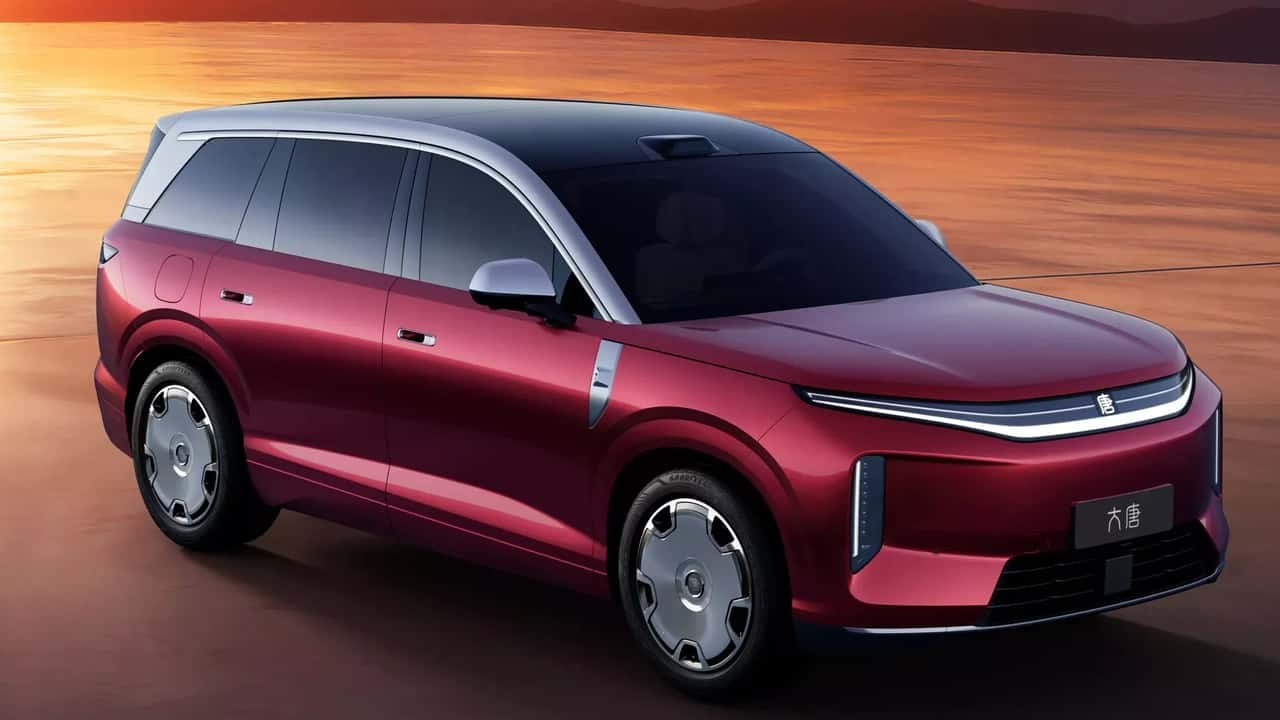
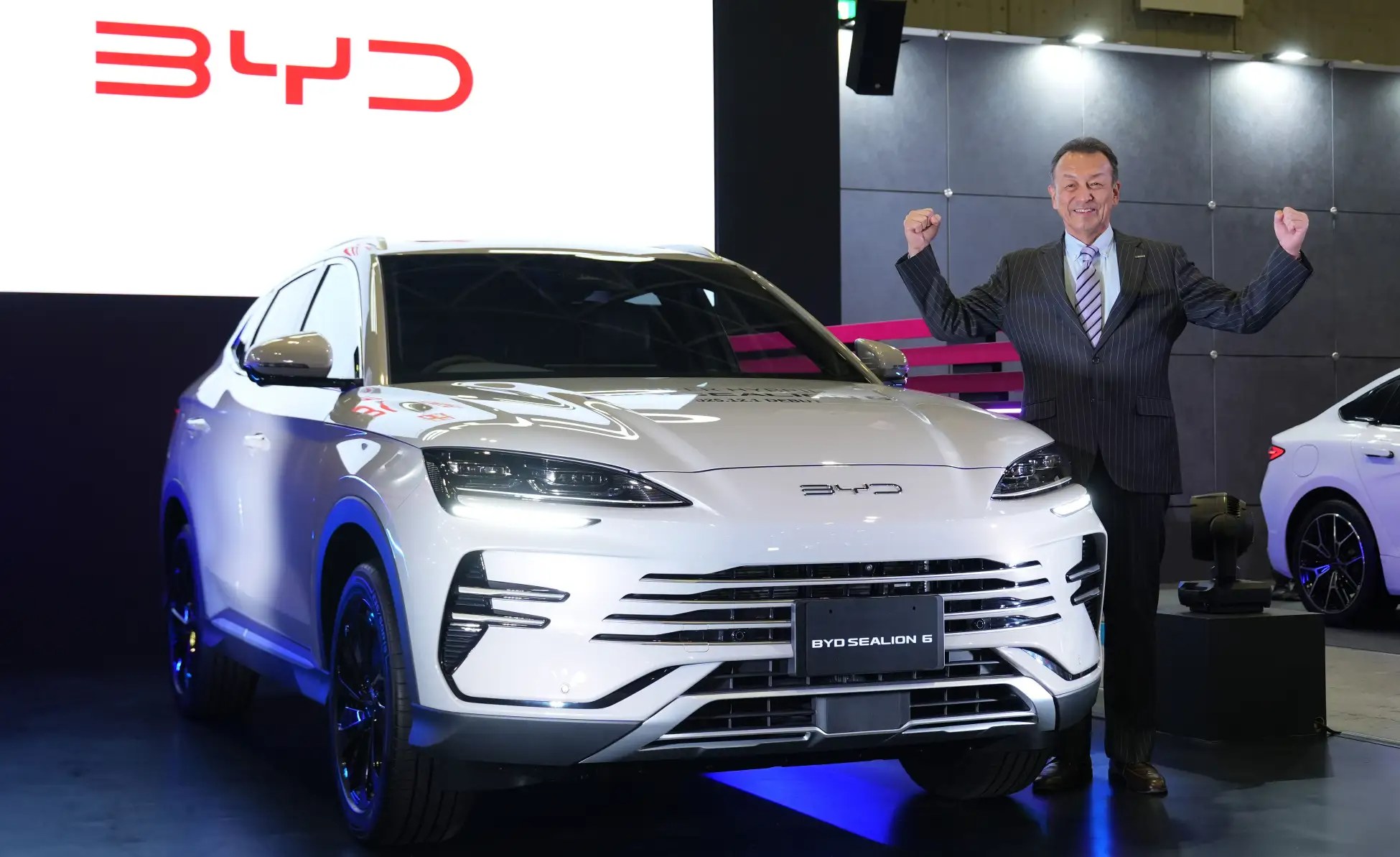
BYD sold 4.8 million vehicles last year, while Toyota sold 11.3 million. The gap is still roughly two-to-one, but BYD's CEO is not fazed. "BYD will truly become the number one automaker globally in terms of scale in five years" Wang Chuanfu told investors this week, laying out a plan to spend nearly £1.8bn in Europe on flash charging infrastructure alone.
The ambition is not idle. BYD overtook Tesla last year as the world's biggest EV maker by sales, and in May it sold more than 160,000 vehicles abroad, an 80% jump from the year before. The overseas sales target for this year is 1.5 million vehicles, up more than 40% from last year's 1.05 million. In Australia, Brazil, and the United Kingdom, BYD has already become the best-selling EV brand, surpassing both Tesla and Kia.
FACTORY-FIRST
The company will start assembling cars at its new plant in Hungary in the fourth quarter, and Stella Li, BYD's executive vice president, made clear where European priorities lie. "Hungary is the number one priority right now" she said. "The second priority will be to focus on finding a second [production] facility in Europe" The company paused work on a plant in Turkey while focusing on production in the EU, a tactical shift designed to navigate the tariffs Brussels introduced on Chinese EVs two years ago. Locally assembled cars in the EU will help BYD beat those tariffs.
But the European expansion has already run into trouble. The Hungary plant in Szeged faced allegations that EU employment laws were being breached using Chinese migrant workers, according to reporting by China Labour Watch. Separately, excavated soil from the factory site was dumped on surrounding farmland, potentially contaminating it. Local authorities ordered the destruction of affected crops and placed sanctions on three companies involved in the factory's construction. The findings of the investigation had not yet been made public.
WHILE COMPETITORS RETRENCH, BYD IS ACCELERATING
The company stopped making cars powered solely by internal combustion engines in 2022 to focus entirely on EVs and plug-in hybrids. It builds nearly everything in-house: batteries, electric motors, drivetrains, electronic control systems, infotainment, and software. In March, BYD launched its Blade Battery 2.0 and Flash Charging system. Demand has exceeded the company's battery production capacity, and orders for some new models have topped 100,000.
The charging numbers are striking. BYD's Flash Charging stations can deliver up to 1,500 kW of charging power, enough to recharge a compatible vehicle's battery from 10% to 70% in just five minutes. A full recharge from 10% to 97% takes only nine minutes. The company has opened its first Flash Charging stations in Europe and the UK, with plans to install 300 across the UK and 3,000 across Europe by the end of 2026.
BYD also introduced China's first in-house 4nm smart driving chip, enabling L3 and L4 autonomous driving capabilities. The company has branded this push "the highest level of vehicle intelligence".
LANDSCAPE MOVEMENT
Toyota sold 11.3 million vehicles in 2025, which is twice as many as BYD. But BYD surpassed Ford for the first time last year, ranking as the sixth largest global automaker. More telling: Toyota, Ford, and several other global automakers are turning to BYD for batteries or other EV components. The supplier relationship has inverted.
Global OEMs continue to delay or cancel major EV projects. Volkswagen, once aggressive on electrification, has pulled back. Ford has extended its hybrid lineup. The traditional giants are hedging, and BYD is eating their lunch in the markets where EV adoption is accelerating.
THE POLITICS OF IT ALL
The Pentagon added BYD to a list of Chinese military companies deemed a national security risk to the US. China responded by saying it believed its addition to the US list "lacks factual basis". The designation creates fresh regulatory risk for BYD in Western markets and adds another layer to an already complex trade relationship.



The numbers still favor Toyota by a wide margin. But the trajectory is unmistakable: BYD is growing faster, building more in-house technology, and expanding into more markets than any other automaker on the planet. Five years is a long time in the auto industry. The question is not whether BYD closes the gap with Toyota. The question is what Toyota and its peers do while they wait.
what did you make of it?
more from business
business
APPLE RECLAIMS WORLD MOST VALUABLE COMPANY TITLE, NVIDIA BOTTLES IT
apple overtook nvidia during friday trading, extending a 23% year‑to‑date surge as investors reward its ai agenda and light capital spending.
business
RYAN COHEN'S GAMESTOP PIVOT: GAMES ARE 18% OF REVENUE AND FALLING
GTA6 goes digital-only, Sony ends physical discs, and GameStop's CEO says that's fine because the company now sells toys.
business
NOTEBOOKLM NOW GEMINI NOTEBOOK, ADDS CLOUD CODE EXECUTION
The research tool originally known as Project Tailwind drops the LM and gains a secure cloud computer for data analysis.
business
TSMC FACES ITS HARDEST QUARTER YET AS AI DEMAND MEETS MARGIN SQUEEZE
Record revenue and eps gains aren't the whole story. the costs of building the world's most advanced chip factories are starting to show.