BYD NAMED CHINESE MILITARY COMPANY BY US DEPT. OF DEFENSE
The world's largest EV maker says the designation will not affect its normal business operations or securities trading, but the move escalates a broader US crackdown on Chinese clean-tech firms.
by editor3 min readcomments soon
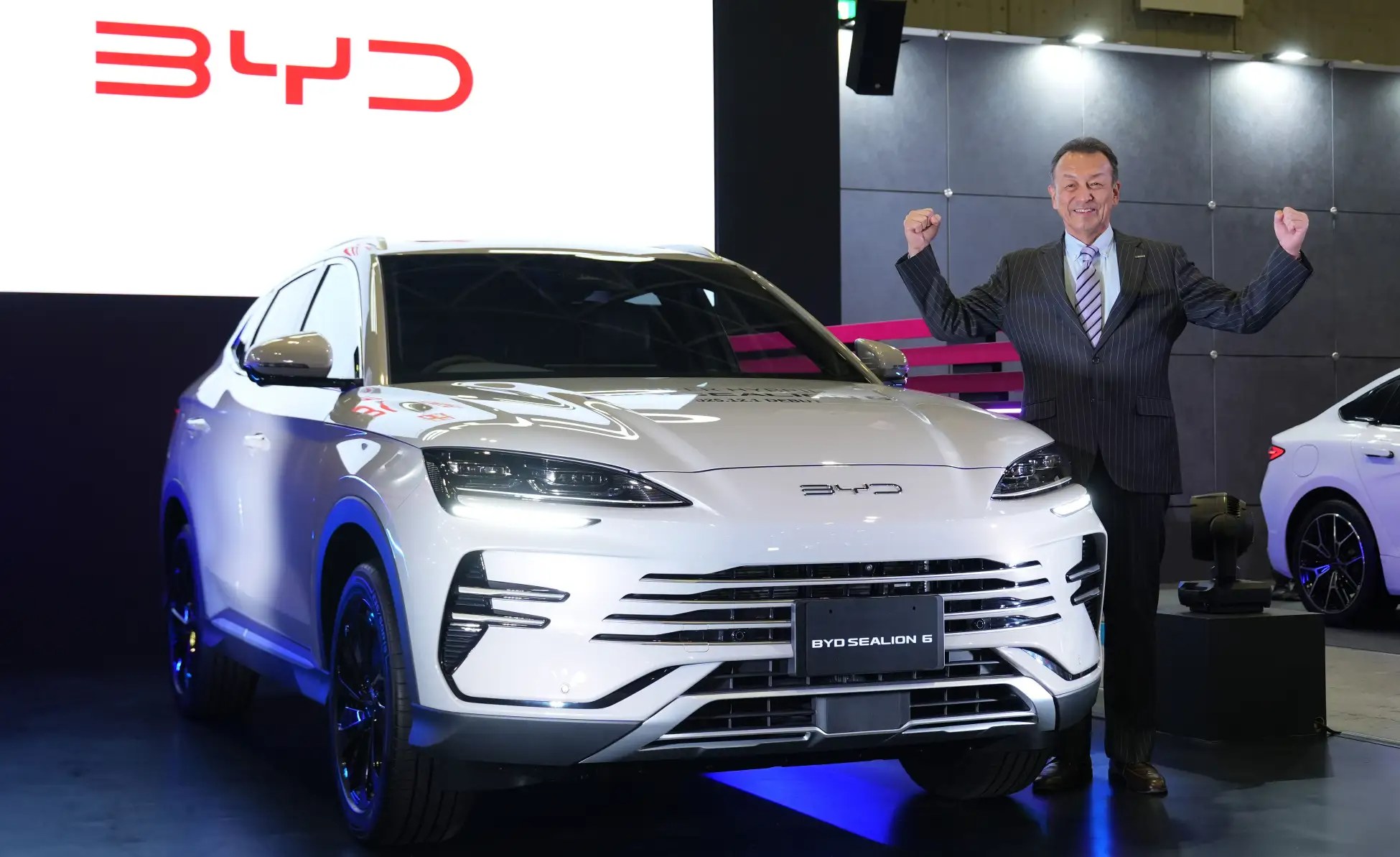
BYD, the world's largest electric vehicle maker, has been added to a US Department of Defense list identifying Chinese companies deemed to be military industrial enterprises, the company confirmed in a filing to the Hong Kong Stock Exchange.
The notification was issued on June 8, 2026. BYD responded with a statement asserting it is neither a Chinese military enterprise nor a military-civilian integration enterprise. The company said the designation will not affect its normal business operations and that the list will not restrict trading of BYD's securities.


WHAT THIS ACTUALLY MEANS
The practical impact of the designation is narrow. BYD said the only business dealings affected are those directly with the US Department of Defense. US government procurement restrictions tied to the list will not affect BYD's business, according to the company's filing.
The DoD previously published a version of this list months ago and then retracted it, creating confusion about the criteria and enforcement scope. This latest iteration appears to be the operational version.
WHO'S ON THE LIST VS WHO ISN'T
The DoD's targeting of private sector technology companies in clean technology represents a notable shift. The claims against these companies center on cooperating with regulatory agencies or supplying state-run companies. But the private sector firms being designated are actually the ones shifting China's economy away from state-run industry, a point that undermines the logical framework of the list itself.
The list does not target state-run companies that directly supply the military. It omits state-run fossil fuel companies and removed CNOOC from a prior version. This inconsistency has drawn criticism: companies like SAIC and FAW, which directly supply the Chinese military, remain absent while private clean-tech firms are designated.
THE GM QUESTION
The selective targeting becomes more pointed when compared to US companies operating in China. GM has a US defense division and derives approximately one-third of its global sales through Chinese state-run joint ventures. The asymmetry, US companies profiting from state-run Chinese partnerships while Chinese private companies are penalized for the same, has not been addressed by the DoD.
BYD SAYS "ITS BUSINESS AS USUAL"
BYD's statement is a measured dismissal: business as usual. For now, the designation is largely symbolic, but the list's expanding scope and inconsistent logic suggest more designations are coming, and companies like NIO that also operate in the clean-tech space should watch the next iteration carefully. The regulatory framework remains unstable, and the June retraction-and-republish pattern indicates the DoD is still figuring out its own criteria.



The deeper question the list raises is whether a tool designed to target direct military suppliers can coherently be applied to private companies building consumer EVs and battery systems. The answer from the DoD appears to be yes, regardless of whether the logic holds.
what did you make of it?
more from business
business
APPLE RECLAIMS WORLD MOST VALUABLE COMPANY TITLE, NVIDIA BOTTLES IT
apple overtook nvidia during friday trading, extending a 23% year‑to‑date surge as investors reward its ai agenda and light capital spending.
business
RYAN COHEN'S GAMESTOP PIVOT: GAMES ARE 18% OF REVENUE AND FALLING
GTA6 goes digital-only, Sony ends physical discs, and GameStop's CEO says that's fine because the company now sells toys.
business
NOTEBOOKLM NOW GEMINI NOTEBOOK, ADDS CLOUD CODE EXECUTION
The research tool originally known as Project Tailwind drops the LM and gains a secure cloud computer for data analysis.
business
TSMC FACES ITS HARDEST QUARTER YET AS AI DEMAND MEETS MARGIN SQUEEZE
Record revenue and eps gains aren't the whole story. the costs of building the world's most advanced chip factories are starting to show.