APPLE KILLS PROJECT TITAN, WAYMO ON TOP
Waymo acquired the 5,500-acre testing site in Wittmann, Arizona for $220 million, a facility Apple used to develop its cancelled self-driving car project.
by editor5 min readcomments soon
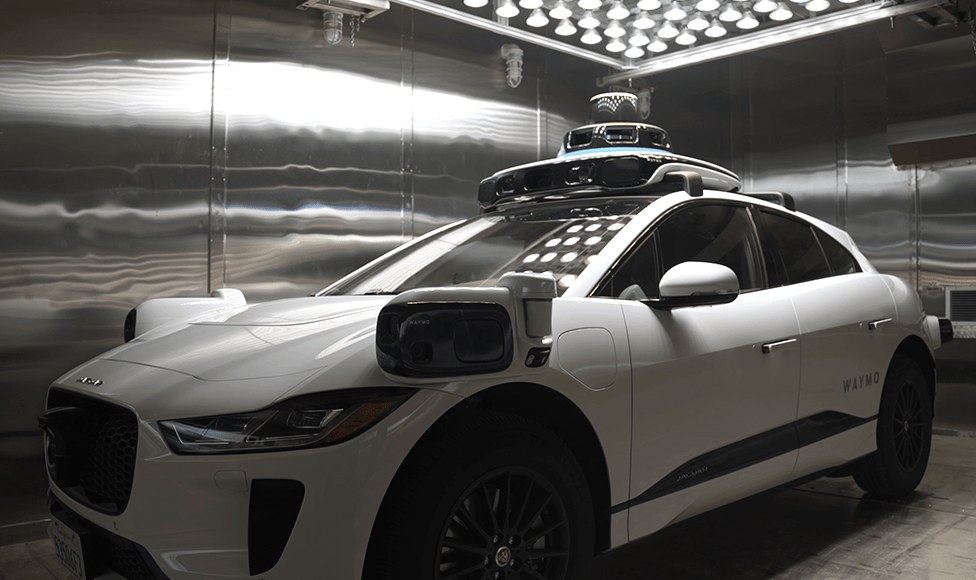
Apple has officially cancelled Project Titan, the decade-long effort to build a self-driving car. The proving ground the company used to test those prototypes is now Waymo's.
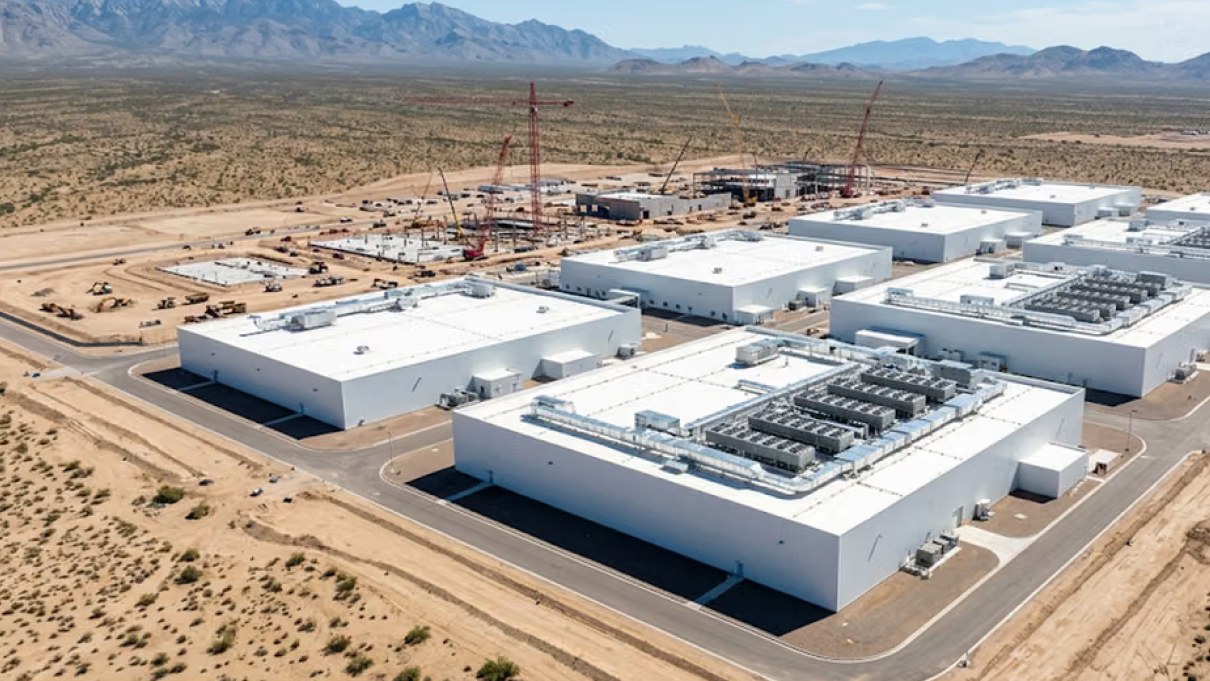
Waymo purchased the 5,500-acre facility in Wittmann, Arizona from Route 14 Investment Partners for $220 million. Route 14, a shell company linked to Apple, bought the same site for $125 million in 2021. The sale marks the end of Apple's automotive ambitions and the consolidation of Waymo's testing infrastructure across the United States.

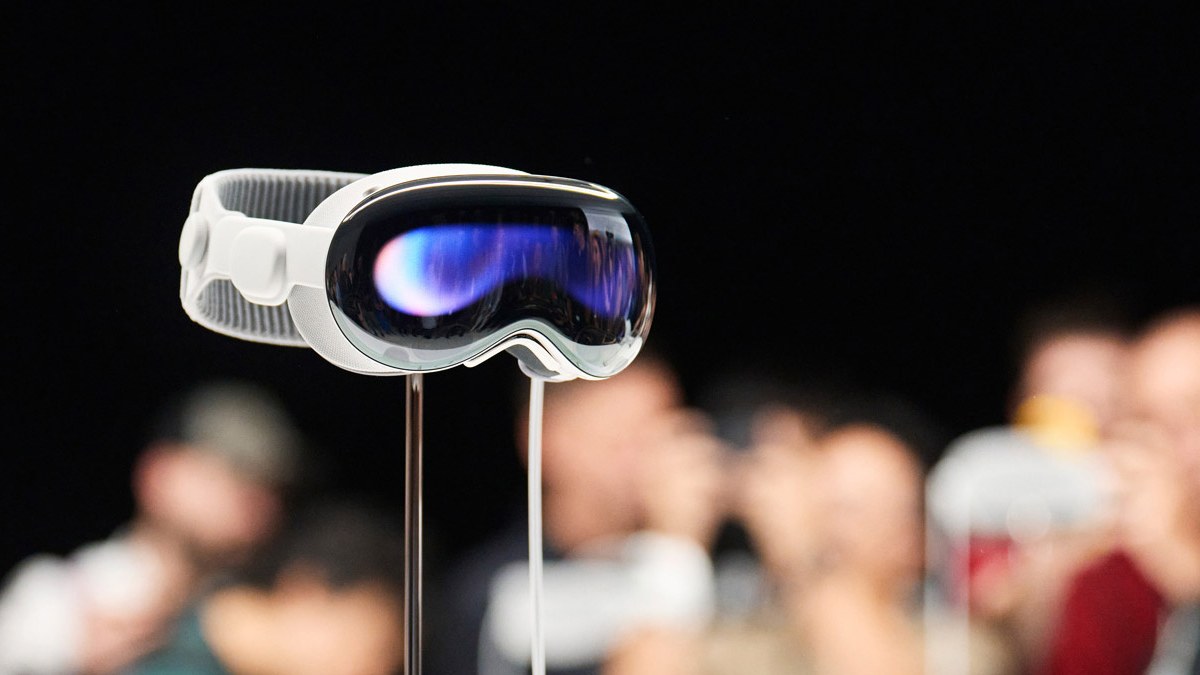

The Wittmann site is a purpose-built automotive proving ground designed for the kind of high-speed, edge-case testing that autonomous vehicles require. It includes a 115-acre city course simulating urban driving, a 35-acre vehicle dynamics area for handling tests, a four-mile oval track, and a freeway course specifically designed for autonomous vehicle testing. Waymo plans to use the facility to simulate driving scenarios in a controlled environment, including rider-only testing, motion control testing, and operational training workflows.
The acquisition gives Waymo its third proving ground, expanding a testing network that already spans locations in California and Ohio. The company is scaling aggressively. Soon, Waymo will cover more than 1,400 square miles across 11 cities, a coverage area that will be larger than the entire state of Rhode Island. Waymo is also expanding production at its Phoenix-area factory to tens of thousands of vehicles per year.
That scaling is backed by new hardware. Earlier this year, Waymo began letting employees and guests take trips in vehicles powered by its sixth-generation autonomous driving system. The sixth-generation Waymo Driver is running in new Ojai robotaxis built on base vehicles supplied by Chinese automaker Geely. The system is designed to work across different vehicle types and currently includes the Ojai taxis alongside Hyundai Ioniq 5 SUVs. The existing fleet of Jaguar I-Pace vehicles will continue running on Waymo's fifth-generation technology. Waymo received its final delivery of Jaguar I-Pace cars last year.
Waymo is also pushing into energy infrastructure. The company announced a partnership with B2U Storage Solutions to repurpose old batteries to help stabilize power grids, a secondary business line that leverages the massive battery packs sitting in decommissioned robotaxis.
WHAT THE APPLE EXIT MEANS
Project Titan was one of Apple's most secretive initiatives, consuming billions of dollars and hundreds of engineers over roughly ten years. The project went through multiple leadership changes, strategic pivots from a fully autonomous vehicle to a more limited system, and persistent reports of internal disagreement about what the end product should be. The cancellation confirms what industry watchers had suspected for the past two years: Apple could not find a path to a shippable product that justified the investment.
The Wittmann sale is the physical footprint of that failure changing hands. Apple spent years and hundreds of millions of dollars building a world-class testing facility, only to sell it at a significant markup to the leading company in the space it abandoned. The $95 million gain on the property sale will not move Apple's balance sheet, but the symbolic weight is unmistakable. Waymo, the Google-born autonomous driving unit, is buying the tools Apple built and then abandoned.
WAYMO ON TOP
Waymo's expansion comes at a moment when the autonomous driving market is consolidating around a few major players. Waymo's 1,400-square-mile coverage footprint puts it far ahead of any competitor in terms of permitted operating area. Cruise, once Waymo's closest rival, has been rebuilding after a 2023 incident that led to a suspension of its California operations. Other players like Zoox and Mobileye are still in earlier stages of deployment.
The Geely partnership is notable because it marks a deliberate shift away from the Jaguar I-Pace as Waymo's primary vehicle platform. The Jaguar fleet was limited in volume and expensive to maintain. The Geely-built Ojai taxis are designed for scale, and the partnership signals that Waymo is no longer just proving the technology works but is preparing to manufacture it at automotive scale.
The sixth-generation system's modularity is also strategic. By designing the Waymo Driver to work across different vehicle types, Waymo avoids the trap of being locked into a single OEM relationship. If one vehicle supplier runs into problems, Waymo can pivot to another without rewriting its software stack.
WHAT COMES NEXT
The Wittmann facility will begin operating under Waymo in the coming months. The proving ground gives Waymo a West Coast complement to its existing test tracks, expanding capacity for the kind of high-reliability testing that regulators demand before expanding rider-only operations to new cities.
With coverage now approaching the scale of a small state, Waymo's challenge shifts from proving the technology works to proving it works at commercial scale. The partnership with B2U on battery repurposing hints at a broader vision: Waymo sees itself not just as a robotaxi company but as an infrastructure player whose vehicles and data can feed into larger energy and transportation systems.

Apple's exit from the space leaves one less potential competitor in a market that is rapidly moving from pilot programs to paid commercial service. For Waymo, the Wittmann acquisition is less about eliminating a rival and more about securing the physical real estate needed to keep scaling.
what did you make of it?
more from business
business
APPLE RECLAIMS WORLD MOST VALUABLE COMPANY TITLE, NVIDIA BOTTLES IT
apple overtook nvidia during friday trading, extending a 23% year‑to‑date surge as investors reward its ai agenda and light capital spending.
business
RYAN COHEN'S GAMESTOP PIVOT: GAMES ARE 18% OF REVENUE AND FALLING
GTA6 goes digital-only, Sony ends physical discs, and GameStop's CEO says that's fine because the company now sells toys.
business
NOTEBOOKLM NOW GEMINI NOTEBOOK, ADDS CLOUD CODE EXECUTION
The research tool originally known as Project Tailwind drops the LM and gains a secure cloud computer for data analysis.
business
TSMC FACES ITS HARDEST QUARTER YET AS AI DEMAND MEETS MARGIN SQUEEZE
Record revenue and eps gains aren't the whole story. the costs of building the world's most advanced chip factories are starting to show.