VALVE CONFIRMS STEAM MACHINE OVERHEAT TRIGGER FAULTY, FIX INCOMING
A BIOS update will raise the warning threshold to 100 degrees Celsius, ending unnecessary red lights for owners.
by editor5 min readcomments soon
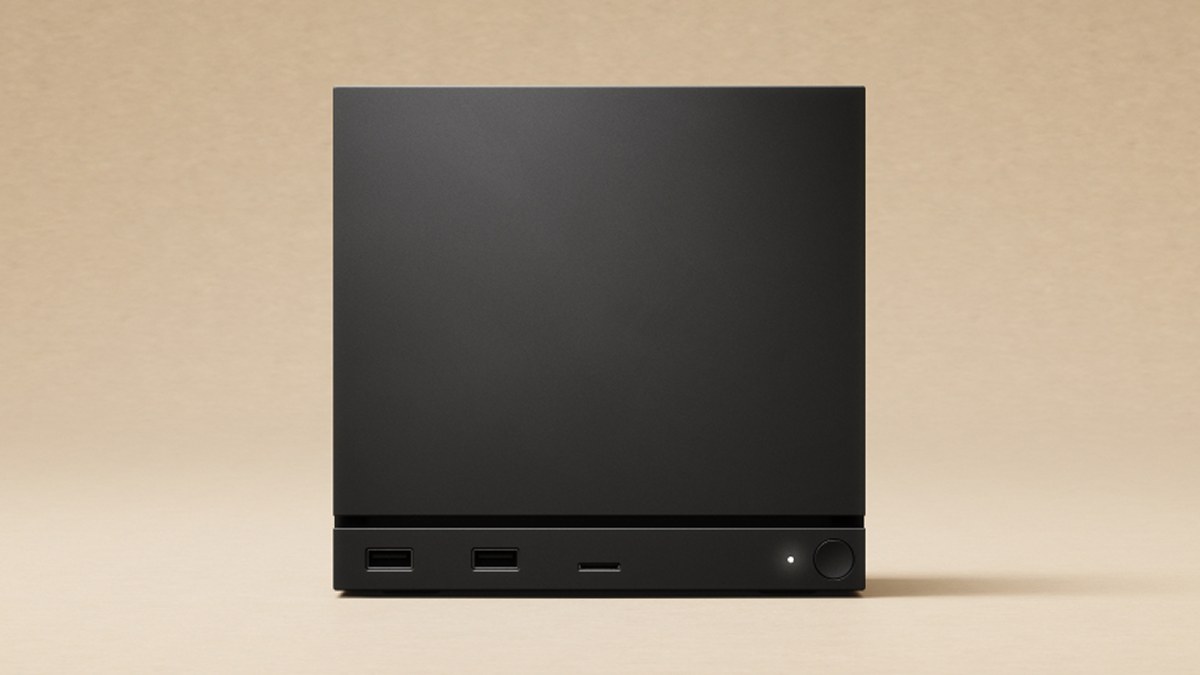
Valve has acknowledged that the Steam Machine's red overheating warning light has been crying wolf. The company confirms the indicator triggers earlier than it should, and a BIOS update is coming that will raise the activation threshold to 100 degrees Celsius.
The confirmation follows user reports of the full red LED bar lighting up during normal gaming sessions, causing alarm for owners who reasonably interpreted the signal as a warning—a sign of trouble. In reality, the hardware was fine. The software was just jumpy.


THE PROBLEM
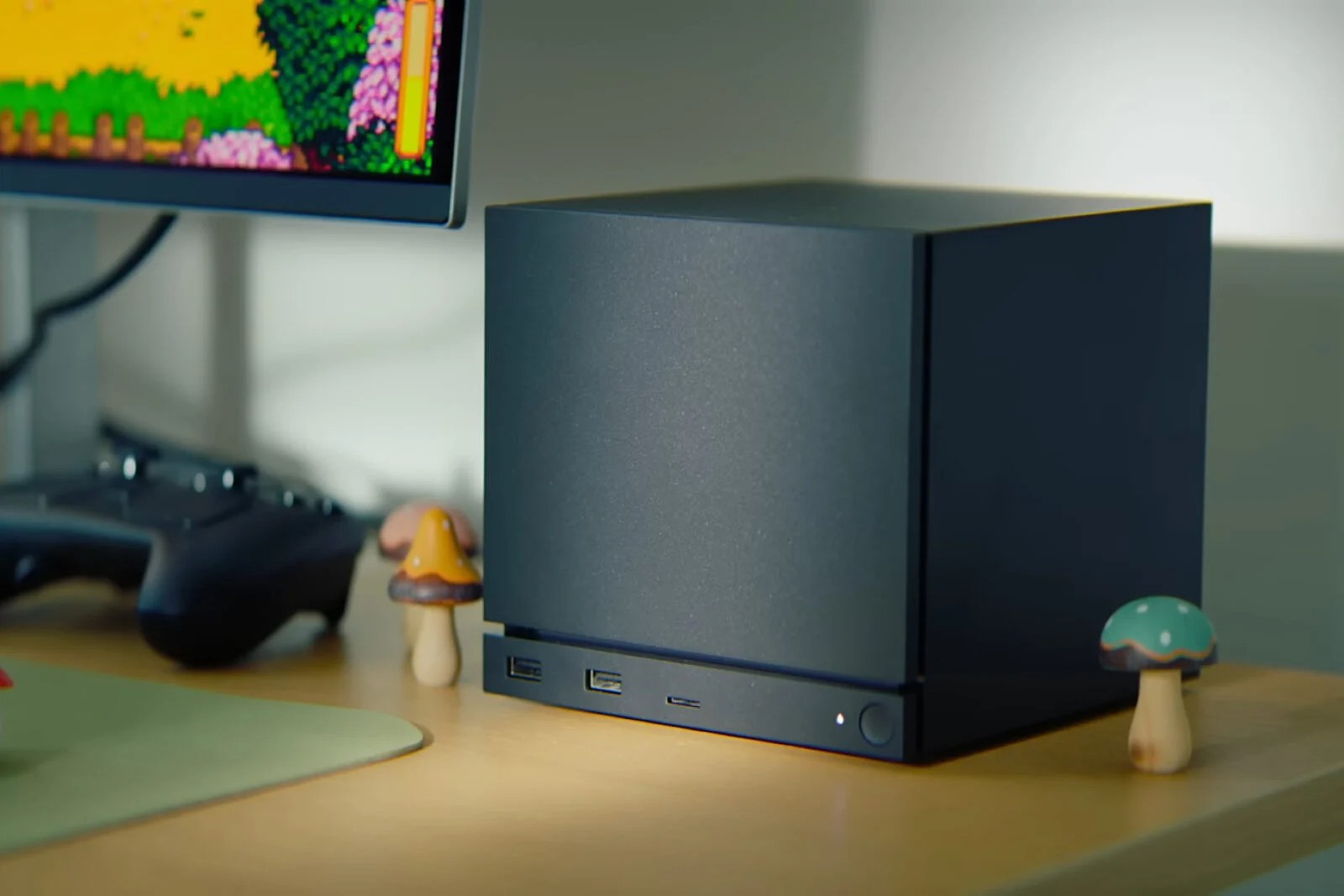
The Steam Machine's thermal management system includes an LED bar running across the front of the device. It shifts from green through yellow to red as internal temperatures rise. A solid red bar indicates the system is dangerously hot, potentially entering a thermal throttle or even a protective shutdown state.
But users started seeing full red under loads that the hardware could easily handle. The bar would go red while the reported CPU and GPU temperatures sat well within safe operating limits. That is not just misleading. It is anxiety-inducing for people who spent serious money on a device and want to know when it is actually in trouble.
Valve's internal testing apparently confirmed the mismatch. The threshold was set too low, meaning the red bar would illuminate when the hardware still had thermal headroom. The company now says the fix is a BIOS update that will move the full red trigger to 100°C, which is a far more sensible panic line for modern silicon.
WHAT 100°C REALLY MEANS
A 100°C threshold might sound alarming to anyone who remembers the old rule of thumb that died with modern mobile processors and thin laptops. AMD and Intel both design their laptop-class chips to operate at temperatures up to 105°C before throttling, and the Steam Machine uses a custom AMD APU. 100°C is the high end of normal during sustained gaming, not a fire alarm.
The change means the LED bar will stay in yellow or orange under most gaming loads and only go full red when the system is genuinely at risk of overheating. That matches what users intuitively expect: green is fine, yellow is warm, red is problem.
HOW THE FIX GETS DELIVERED
The update comes via a BIOS flash rather than a simple driver or OS level patch. That is typical for low-level hardware behaviour, but it does mean the user has to find a bootable USB or use a built-in BIOS update tool. Valve has not yet described the exact delivery mechanism, but given the company's track record with SteamOS and firmware updates, the process should be straightforward. Steam Machine owners with an internet connection should be able to pull the update through the system's own update check, perhaps triggered when a new BIOS version is detected.
The bigger question is why the threshold was set where it was in the first place. Launch hardware often ships with conservative thermal limits because the manufacturer lacks millions of hours of real-world data. A low red line is safer than a high one in the absence of field evidence. But after the first wave of user testing, Valve apparently decided the conservative line was too conservative and degraded the user experience with false alarms.
A SYMPTOM OF A BIGGER PHILOSOPHY SHIFT
This move fits a broader pattern Valve is showing around the Steam Machine. The company has been transparent about early issues, publicly posting known bugs and discussing firmware improvements on community forums. They are treating the device less like a finished console and more like a PC that will evolve. That honesty is refreshing, but it also means that early adopters are effectively beta-testing the final thermal signature.
The overheating light was never a safety risk. It was a UX problem. The false red bar made users worry; some may have turned down graphical settings or limited play sessions because they thought the hardware was struggling. That is a bad experience for a device that is supposed to be a capable living room gaming PC. A BIOS update that fixes it is a small patch, but it matters for trust.
THERE WILL BE EDGE CASES
Valve says the BIOS fix is usually weeks rather than days. For a living room device that stays plugged in and sleeps often, the delay is minimal. Owners who see red can either ignore it until the update arrives or temporarily reduce settings to keep the LED green. No hardware damage will result from the current behaviour because the actual thermal throttling logic is independent of the LED. The light is just an alarm. It was overreacting, and we will recalibrate it.



The long-term lesson is that hardware launch validation never catches every edge case. A threshold that looked good in a test lab can feel wrong in a user's living room. Valve's willingness to adjust and communicate the fix openly is the right approach. The red light will eventually stop crying wolf, and owners can go back to worrying about frame rates instead.
what did you make of it?
more from gaming
gaming
XBOX LAYOFFS GUT ELDER SCROLLS ONLINE LEADERSHIP AS 200+ LOSE JOBS AT ZENIMAX
Studio head, game director, and executive producer depart; the remaining team is now roughly the size it was during the Summerset expansion.
gaming
HOT WHEELS INFINITE RUSH PULLS AHEAD TWO WEEKS, LANDS SEPTEMBER 10
The arcade racer escapes a crowded launch day by moving up to september 10, with advanced access starting the 7th.
gaming
BLACK FLAG RESYNCED HITS 3MN SALES IN A WEEK, NEW GAME PLUS ON THE WAY
The 2013 pirate remake sailed past 2 million in its first day and keeps climbing, despite an $85 microtransaction wall at launch.
gaming
SPLATOON RAIDERS PRE-ORDER: $10 OFF AT WALMART, FULL PRICE ON AMAZON
the switch 2 exclusive launches july 23, and walmart has the physical edition for $49.99 right now.