ANDROID 17 IS CINNAMON BUN. WE ARE SO BACK!
Google dropped public dessert names in 2019, but inside the company each release still gets a sweet treat codename.
by editor5 min readcomments soon

Every Android release from 2009 to 2019 had a public dessert name, starting with Cupcake and running through KitKat, Lollipop, Marshmallow, Nougat, Oreo, and Pie. Then, in 2019, Google killed the public tradition, and Android 10 shipped with just a number. But the kitchen never closed. Internally, Android 10 was called Quince Tart. Android 11 was Red Velvet Cake. Android 12 was Snow Cone. And the latest version, Android 17, is known inside Mountain View as Cinnamon Bun.
The public doesn't see that name anywhere. No press release announces it, no settings menu displays it, no marketing material carries it. But it exists as an internal codename, used by the engineers building the OS. The tradition that began with Android 1.5 Cupcake in 2009 now lives in commit logs and build tags, visible only to the people writing the code.
WHY THE PUBLIC NAMING STOPPED
Sameer Samat, vice president of product management for Android, explained the decision in a blog post around the time of Android 10. The naming scheme posed challenges for a global audience. In many parts of the world where treats like jelly beans or gingerbread aren't particularly popular, it didn't make much sense to market and label an entire version of Android around them. The final few public dessert names (KitKat, Lollipop, Marshmallow, Nougat, Oreo, Pie) had broader international recognition, but even then, the list was running out of globally recognisable sweets.
The problem went deeper than local taste preferences. The alphabetical naming convention can be confusing for languages where certain letters or sounds aren't easily distinguishable. Samat specifically called out Japanese, where speakers often struggle to differentiate between "L" and "R," making a name like Lollipop harder to process than it would be for an English speaker. A number, by contrast, is universally readable and does not require cultural translation. Google opted for a far simpler naming system based on numbers, and Android 10 was the release that marked the public break.
THE SWEETS LIVE ON INTERNALLY
But inside Google, the habit was too fun to abandon entirely. Every major Android version since Android 10 has carried a confectionery codename that nobody outside the company was supposed to know.
Quince Tart for Android 10, the first version to carry a number publicly. Red Velvet Cake for Android 11. Snow Cone for Android 12. And now Android 17 is Cinnamon Bun. The names are purely functional, used by developers to reference branches and builds without the baggage of global marketing. They are the private joke the company never stopped laughing at.
WHAT THE NAME TELLS US
Keeping the dessert tradition alive internally is not just whimsy. It serves a real purpose: codenames are easier for engineers to say and remember than version numbers, especially when tracking multiple active branches across different Android versions. A developer on the Snow Cone branch knows immediately which major version they are working on, without having to write or say it every time. The names also create a small sense of continuity and culture inside a massive organisation, a shared reference that has persisted for more than a decade.
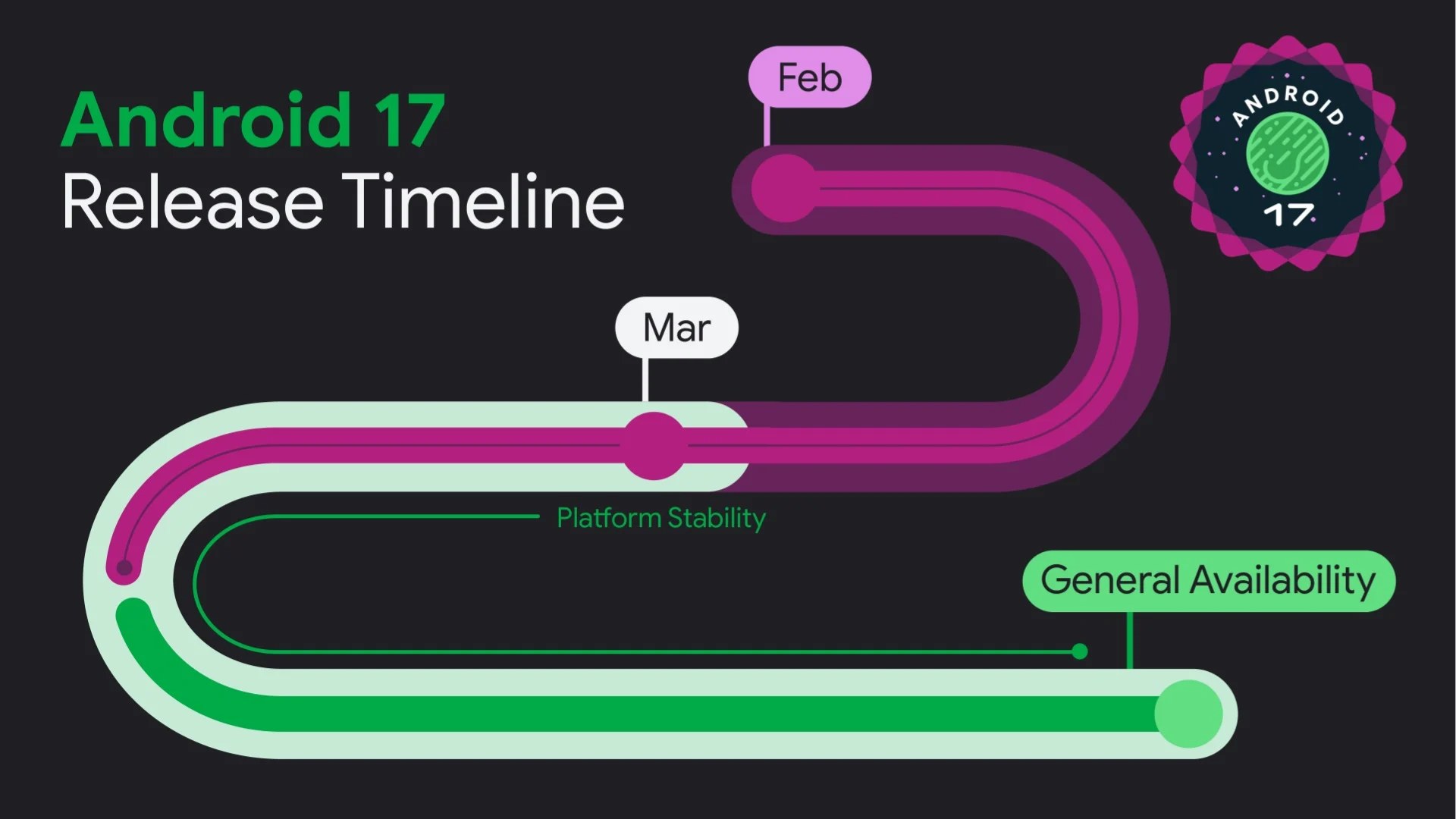
The list of internal codenames also reveals something about Google's planning horizon. The company has already assigned a codename to Android 17, which means that version has been in active development for some time, even though the public release may still be months away. Internal naming is not a random decision; it is assigned early in the development cycle.
EASTER EGG CONNECTION
The internal dessert names have also found their way into Android's Easter eggs, the hidden screens and mini-games that appear when you tap the entry in Settings repeatedly. Android 14 featured an interactive space-themed mini-game Easter egg. The Easter egg is the only place where the public can still catch a faint echo of the naming tradition that was once proudly displayed on every new phone.
WHAT THE SHIFT MEANS
Going numerical was the right call. A global operating system cannot rely on references that only make sense in Western food culture. But losing the public dessert names also removed one of Android's most distinctive branding elements. No other major OS has named its versions after sweets. It gave each release a personality that a version number simply cannot replicate. Nobody gets excited about the way they got excited about or the names made the software feel approachable, even playful, at a time when iOS releases were just numbered updates.
Google traded that personality for clarity, and the trade was probably worth it. But the internal continuation shows the company is not ready to let go entirely. The codenames remain, used by the people who actually build the OS, and they will keep coming. Cinnamon Bun is the latest. The rest of us will never see the next one.



Android's public dessert era ended in 2019, but the private dessert era is alive and well. The names are now a tool for engineers, not a marketing hook. They are a small, quiet piece of Android culture that survived the move to numbers. If you ever find yourself in a Google office and hear someone refer to something that is not talking about breakfast. They are talking about the operating system on your phone, and you are now in on the joke.
what did you make of it?
more from consumer tech
consumer tech
GOOGLE ADDS YOUTUBE MUSIC, INSTACART & CANVA TO AI MODE SEARCH
Starting this week, US users can ask AI Mode to make a playlist, fill a grocery cart, or design a flyer without leaving the search…
consumer tech
ONEPLUS DEAD IN THE WEST, OPPO OVERLORDS PULL PLUG
The brand that built its reputation on has settled for leaving its biggest markets. Existing phones still work. New ones won't come.
consumer tech
GOOGLE PIXEL 10 PRO DROPS TO 699, BEST DEAL YET!
A $300 discount on the 128GB model undercuts Prime Day pricing and signals a clear runway to the pixel 11 launch.
consumer tech
APPLE RAISES APPLE ON BUNDLE FOR FAMILY AND PERMIER PLANS
the Family plan jumps $2 to $27.95 a month and the Premier to $39.95; Apple hasn’t explained the bundle increase beyond citing music licensing for…