ALEX KARP SAYS AI COMPANIES DONT KNOW HOW UNLIKEABLE THEY ARE
The Palantir CEO called out the AI industry's detachment from real-world problems, labeling the OpenAI Deployment Company a while acknowledging he has with rivals Sam Altman and Dario Amodei.
by editor4 min readcomments soon
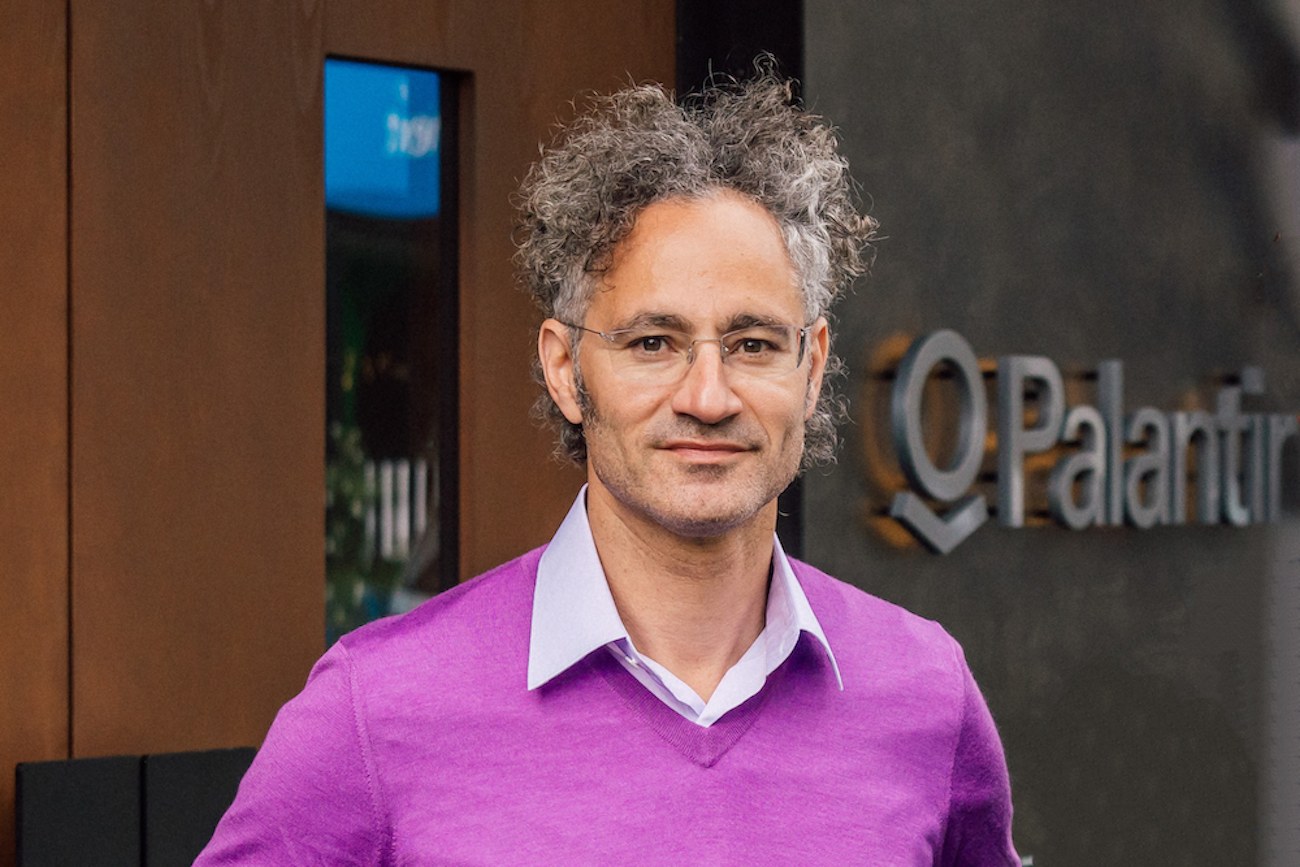
Alex Karp has a message for the AI industry, and it is not a warm one. The Palantir CEO said that leading AI companies and their executives do not grasp how unlikeable they have become, "They don't understand how unlikeable they are" in the process of building technology that fails to solve problems customers actually have.
The criticism, delivered in an interview, reflects a deepening fracture between Palantir's business model and the approach taken by the AI giants it now competes with. OpenAI and Anthropic are both partners and competitors to Palantir, a duality that Karp acknowledged while laying out what he sees as fundamental flaws in how the broader AI industry approaches customer delivery.

Karp's core complaint is that AI companies are too future-forward. They operate as though today's problems do not need solving because tomorrow's advances will resolve them automatically. "don't have to solve your problem today", he said, is the prevailing mindset. The products, in his view, "don't actually work the way" customers expect, and the industry has treated this gap as acceptable because the underlying technology continues to improve.
THE FORWARD-DEPLOYED MODEL
Palantir built its business on what it calls the forward-deployed model: embedding engineers directly with customers to customize AI systems for specific operational needs. The approach is labor-intensive and expensive, but it produces software that works within the constraints of actual business workflows rather than expecting customers to adapt to the software.
Karp said his competitors have embraced variations of this model, with OpenAI and Google both attempting to replicate the approach. But he argued they have executed poorly. "replicate Palantir" has been the goal, Karp said, but the results have fallen short. The OpenAI Deployment Company, specifically, he called a "complete farce".
The critique is notable because Palantir itself relies on the same ecosystem it is criticizing. The company's Gotham and Foundry platforms integrate with models from OpenAI and Anthropic, meaning Karp's public dismissal of their customer-facing strategies comes from a position of direct interdependence.
WHAT MAKES THE CRITICISM UNUSAL IS THE PERSONAL DIMENSION
He described Sam Altman and Dario Amodei as providing "some of the best and most interesting conversations I've had in business". On Amodei specifically, Karp said "he believes what he's saying" and called him "He's a very, very important person" in the industry.
The respect is genuine, but the disagreement is complete. Karp's philosophy centers on solving near-term problems: "I believe that we need heaven on earth, not heaven in 20 years", he said, contrasting his view with what he characterized as the AI industry's fixation on distant technological horizons. The debate is not academic. It maps directly onto how each company structures its sales motion, pricing, and customer success operations.
MARKET DYNAMICS
The tension between Palantir's approach and the broader AI industry reflects competing theories of enterprise AI adoption. The hyperscalers, OpenAI, Google, Anthropic, have pursued broad platform strategies, building APIs and tooling that let customers integrate models into existing systems. The implicit bet is that the models will improve fast enough that custom implementation becomes unnecessary.
Palantir's bet is the opposite: that enterprise customers need bespoke solutions now, that the gap between model capability and operational readiness is too large to bridge with general-purpose tools, and that the companies capturing enterprise AI spend will be those willing to do the expensive, unglamorous work of deployment.
The market has not resolved the debate. Palantir's revenue has grown consistently, but the AI giants continue to raise billions in funding at valuations that assume they will eventually crack the enterprise market at scale. What Karp's comments reveal is that the technical progress many anticipated would settle the question has instead deepened the strategic divide.
KARP'S CRITICISM IS NOT NEW
Industry analysts have made similar observations about the AI industry's deployment gap for years. What gives his comments weight is the source: a CEO whose company is simultaneously dependent on and competing with the firms he is critiquing.
The forward-deployed model Palantir uses is capital-intensive and does not scale like software-as-a-service. If the underlying AI models improve to the point where custom deployment becomes unnecessary, Palantir's competitive advantage erodes. If they do not, Karp's critique ages well and the industry converges on his playbook.



Either way, the relationship between Palantir and the AI labs it depends on will remain complicated. Karp appears comfortable with that. "I told them this.", he said, referring to his history of delivering this message. Then, with a self-awareness that mirrors his critique of the industry's blind spots: "I probably shouldn't have".
what did you make of it?
more from business
business
APPLE RECLAIMS WORLD MOST VALUABLE COMPANY TITLE, NVIDIA BOTTLES IT
apple overtook nvidia during friday trading, extending a 23% year‑to‑date surge as investors reward its ai agenda and light capital spending.
business
RYAN COHEN'S GAMESTOP PIVOT: GAMES ARE 18% OF REVENUE AND FALLING
GTA6 goes digital-only, Sony ends physical discs, and GameStop's CEO says that's fine because the company now sells toys.
business
NOTEBOOKLM NOW GEMINI NOTEBOOK, ADDS CLOUD CODE EXECUTION
The research tool originally known as Project Tailwind drops the LM and gains a secure cloud computer for data analysis.
business
TSMC FACES ITS HARDEST QUARTER YET AS AI DEMAND MEETS MARGIN SQUEEZE
Record revenue and eps gains aren't the whole story. the costs of building the world's most advanced chip factories are starting to show.