OPENAI RELEASE NEW MODELS, LIMITS ACCESS AT GOVERNMENTS REQUEST
The Trump administration asked for restricted access to advanced AI models, and OpenAI complied while warning it shouldn’t be the norm.
by editor4 min readcomments soon
OpenAI is rolling out three new models in the GPT-5.6 series, but you can’t use them yet. The company is starting with a "limited preview for a small group of trusted partners" approved by the U.S. government. The advanced technology is only available to select "trusted partners" at the request of the Trump administration, which had asked OpenAI to limit release due to concerns about the models’ advanced capabilities.
A larger rollout will follow in the coming weeks, but the way this is happening already sets a precedent. OpenAI showed the capabilities of the new series to the U.S. government ahead of Friday’s launch, complying as part of an earlier agreement with the Defence Department that allows the Pentagon to use OpenAI’s AI models. But the company was explicit that this shouldn’t become the "long-term default".

THE THREE MODELS
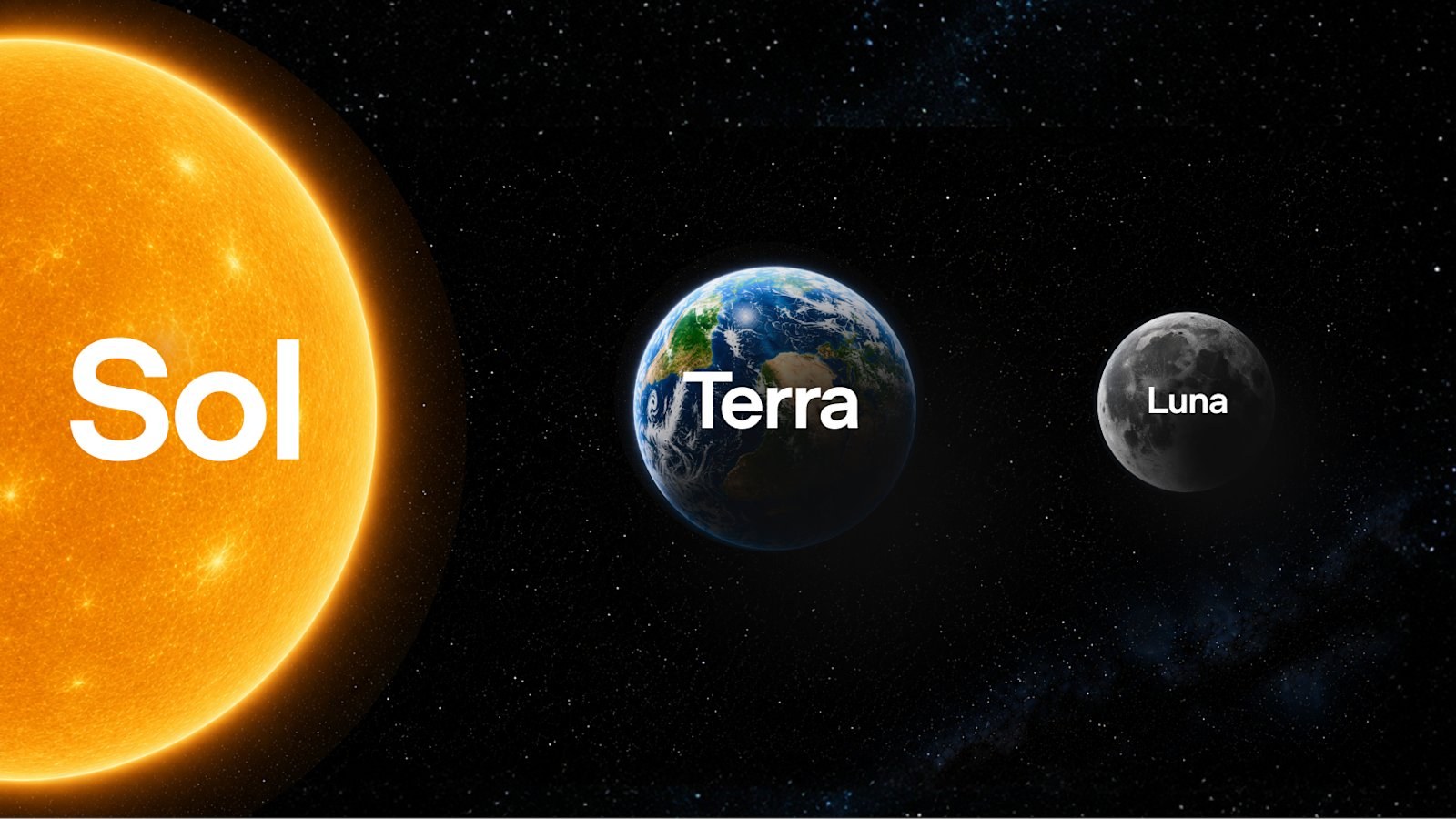
The GPT-5.6 series has three variants. Sol is the flagship, described by OpenAI as its "strongest model yet". It shows advanced capabilities in "coding, biology, and cybersecurity" and outperformed Anthropic’s Mythos technology on Terminal‑Bench 2.1, a benchmark that measures how well a model can complete complex tasks. OpenAI also calls Sol its "most capable model yet for cybersecurity".
Terra is positioned as a model for daily work. Luna is a more affordable version. All three were built with what OpenAI calls its "most robust safeguards to date". The company said it "keeps the best tools from users, developers, enterprises, cyber defenders, and global partners who need them": a line that reads as a defence of the limited preview model, even as they concede to government oversight.
GOVERNMENT GRIP TIGHTENS
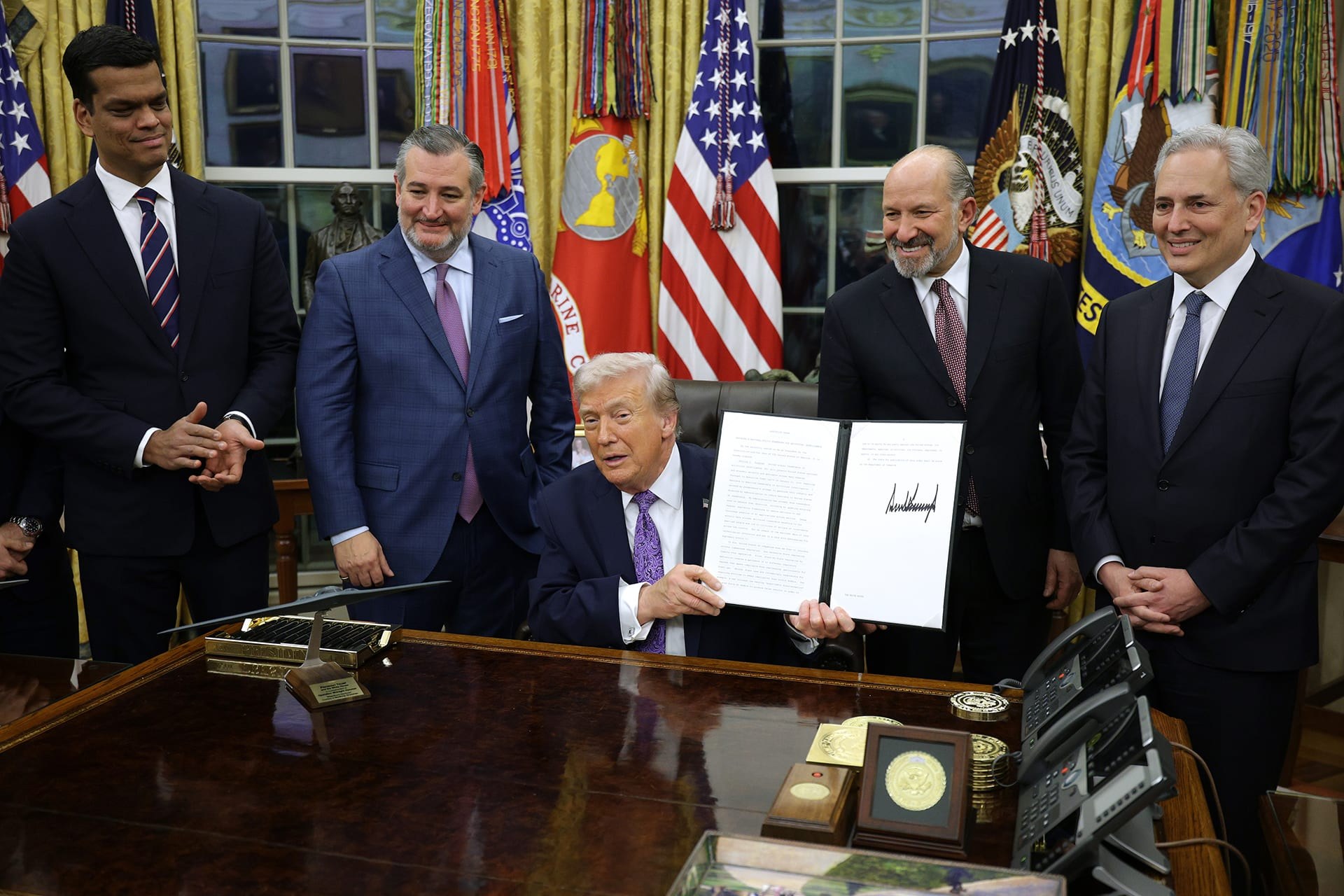
The GPT-5.6 rollout comes weeks after President Donald Trump signed an executive order asking AI companies releasing advanced models to first share the technology with the government to assess their capabilities and select partners who can access the technology before a wider release. That order gave the administration direct leverage over release timing and audience.
OpenAI is complying, but the language in its announcement is telling. Calling the government approval process a potential "long-term default" suggests the company sees this as an exception, not a permanent fixture. They want the door left open for a future where government approval isn’t a prerequisite for every major model release. Whether the administration sees it the same way is the open question.
THE ANTHROPIC SHADOW
If anyone doubts how far the administration is willing to go, look at what happened to Anthropic. Weeks after the executive order, the Trump administration directed Anthropic to disable access for all foreign nationals to its Mythos models, citing national security concerns. Secretary of Defence Pete Hegseth designated Anthropic a supply chain risk to national security. Anthropic disabled access to those models for all customers, saying "the move was necessary to ensure full compliance" was necessary to ensure full compliance.
But the relationship was already fractured. Anthropic’s CEO Dario Amodei had objected to the Defence Department using Anthropic technology for mass domestic surveillance and to power autonomous weapons. In March, Anthropic sued the administration, alleging it illegally retaliated against the company for its position on AI safety. Some Anthropic employees and cybersecurity experts believe the administration is unfairly targeting the company. The contrast with OpenAI is stark: OpenAI has a standing agreement with the Pentagon, while Anthropic resisted and got hammered.
IPO TIMING
OpenAI is preparing to go public but may delay its initial public offering until 2027. The delay appears driven in part by the performance of SpaceX, which went public earlier this month. SpaceX’s stock price has slid since its debut, a factor that influenced OpenAI to postpone. The three companies planning blockbuster IPOs, OpenAI, SpaceX, and Anthropic, now have very different trajectories. SpaceX is public and struggling. Anthropic is fighting a legal battle with the administration. OpenAI is trying to manage government relationships while keeping its own IPO window viable.
The government’s role in shaping who gets access to advanced AI is not just a safety question. It is a business question. If the default becomes that every new model must be reviewed and approved by the administration before a wide
what did you make of it?
more from ai
ai
TSMC ADDS $100 BILLION TO ARIZONA CHIP BET, TOTAL HITS $265 BILLION
The additional investment will build at least four more 2nm fabs and advanced packaging, bringing the company's total US commitment to $265 billion.
ai
META WILL ALERT PARENTS IF TEENS DISCUSS SUICIDE WITH META AI
The opt-in feature flags self-harm references in chatbot conversations, with human review before any notification is sent.
ai
ROBLOX'S "BUILD" LETS ANYONE MAKE A GAME FROM THEIR PHONE WITH AI
The new toolset, launching July 28, turns text prompts into playable experiences and puts game creation on iPhone and iPad.
ai
ZOOX REALLS ENTURE ROBOTAXI FLEET OVER SMOKE DETECTION FAILURE
A robotaxi drove into an active fire scene obscured by smoke. NHTSA called emergency scenes not edge cases.