XIAOMI OFFERS FREE REPLACEMENTS, DOUBLES DOWN ON LONG-TERM OWNERSHIP
A five-year guarantee promises a free battery swap if capacity drops below 80 percent in the first four years, and a capacity boost in year five.
by editor4 min readcomments soon
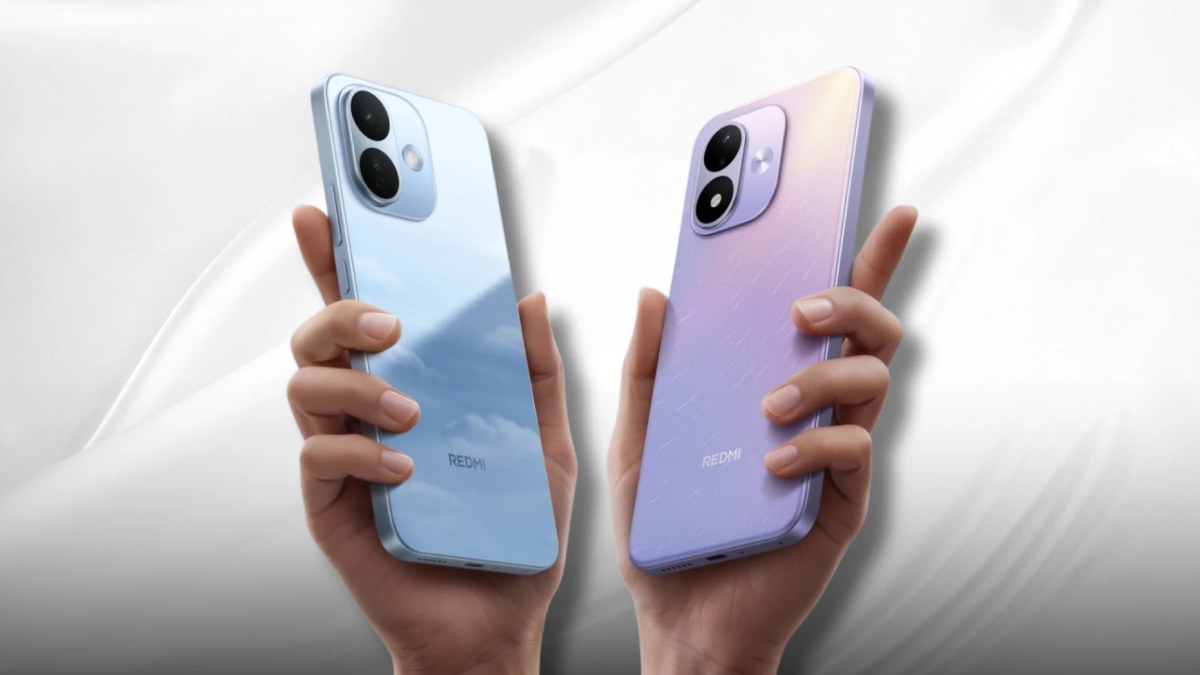
Xiaomi is betting that battery anxiety is the main thing holding phone buyers back from long-term ownership. The Redmi Note 17 Pro, set to debut in China on July 14, comes with a battery that is unlike anything the Android market has seen. Buy a unit during the launch window, and Xiaomi will replace the battery for free if it falls below 80% of its original capacity within four years. In the fifth year, the company will swap it for one that holds 1,000mAh more, bumping an already massive 9,000mAh pack to a potential 10,000mAh.
The battery figures alone are eye-popping. A 9,000mAh cell with 67W wired charging and 22.5W reverse charging is territory usually reserved for rugged phones or tablets. But Xiaomi is pairing the capacity with a guarantee that says, effectively: we are confident enough in our chemistry and software that we will eat the cost if you wear it out.



HOW THE GUARANTEE WORKS
The coverage period runs five years from purchase. During the first four years, if the battery's usable capacity dips below 80%, Xiaomi provides a free replacement. In the fifth year, the offer shifts to an upgrade rather than a straight replacement. The phone is designed to retain at least 80% after four years of typical use, so the guarantee is really insurance against defects or premature degradation rather than free money for heavy users. Xiaomi Group President Lu Weibing revealed the program on Weibo, and the company is clearly betting that most batteries will hold up.
The label suggests the offer may be limited to buyers who pick up the phone during its initial launch period, a tactic to drive early sales volume and word of mouth at the same time.
WHAT ELSE IS INSIDE THE PHONE
The Redmi Note 17rumoured rumored to pack a Snapdragon 6 Gen 5 processor and a 200MP primary camera, while the standard Redmi Note 17 is expected to settle for a 50MP main sensor. Official images show different rear camera layouts for the two models, so the design is visibly differentiated, not just a spec sheet shuffle.
Xiaomi is not leaving longevity to the battery alone. The phone ships with HyperOS tweaks that include foreground optimisations and accelerated startup times designed to keep the phone feeling snappy over five years. Storage levelling is also baked in, spreading writes across the flash to keep read and write speeds high and delay degradation.
On the physical durability front, the Redmi Note 17 Pro uses Gorilla Glass Victus 2 on the front and passed a 3-meter marble drop test. The IP rating story is unusually thorough: IP66, IP68, IP69, and IP69K. That means protection against splashes, full submersion, high-pressure water jets, and hot water steam cleaning. It is a set of ratings more common on industrial tablets than midrange phones.
WHY THIS MATTERS SO MUCH
Battery degradation is the unspoken expiration date on most phones. Two years in, even a well-treated lithium cell has lost noticeable capacity. Three years in, many users start shopping for a replacement or pay for an out-of-warranty swap. Xiaomi is making the math simpler for the Redmi Note 17 Pro owner: you do not need to budget for a battery replacement within the first five years, and in year five you actually get a capacity increase.
The upgrade in the fifth year is the cleverest part. It gives the phone a second wind right when the user might be thinking about upgrading. A free +1,000mAh battery makes the phone feel new again, and it costs Xiaomi less than acquiring a new customer. The 80% threshold is also well chosen. It is the industry-standard target in wear testing, but many phones fall below it before four years are up, especially under heavy charging cycles. By guaranteeing it, Xiaomi is putting engineering pressure on its signalling to buyers that this phone is built for the long haul.
The other durability features reinforce the same message. Gorilla Glass Victus 2 and IP69K water resistance mean the phone can survive real-world abuse. Storlevelling leveling and optimisationsizations mean software performance should not degrade over time. The phone is designed not just to last physically but to feel fast the whole way through.

THERE IS MORE!
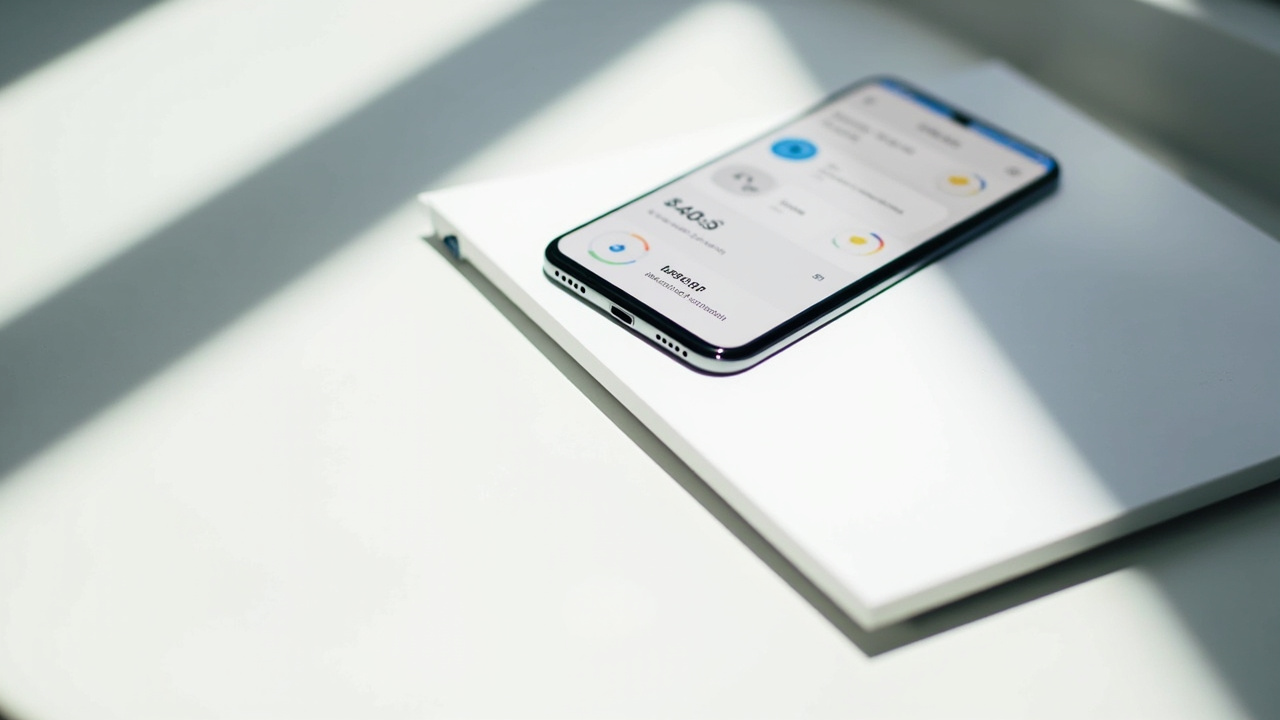
Xiaomi is also adding two software features aimed at current threats. The phone will flag suspicious calls for potential scams, and it will detect AI-generated face swaps, better known as deepfakes. These are practical additions that make the long-term use case stronger: a phone you keep for four or five years needs to stay protected against threats that evolve over that span.
what did you make of it?
more from consumer tech
consumer tech
GOOGLE ADDS YOUTUBE MUSIC, INSTACART & CANVA TO AI MODE SEARCH
Starting this week, US users can ask AI Mode to make a playlist, fill a grocery cart, or design a flyer without leaving the search…
consumer tech
ONEPLUS DEAD IN THE WEST, OPPO OVERLORDS PULL PLUG
The brand that built its reputation on has settled for leaving its biggest markets. Existing phones still work. New ones won't come.
consumer tech
GOOGLE PIXEL 10 PRO DROPS TO 699, BEST DEAL YET!
A $300 discount on the 128GB model undercuts Prime Day pricing and signals a clear runway to the pixel 11 launch.
consumer tech
APPLE RAISES APPLE ON BUNDLE FOR FAMILY AND PERMIER PLANS
the Family plan jumps $2 to $27.95 a month and the Premier to $39.95; Apple hasn’t explained the bundle increase beyond citing music licensing for…