GOOGLE DISCONTINUE NEST & MINI, UNVEILS GEMINI SPEAKER
The new Google Home speaker is built for Gemini AI, while the five-year-old Nest series gets retired.
by editor4 min readcomments soon
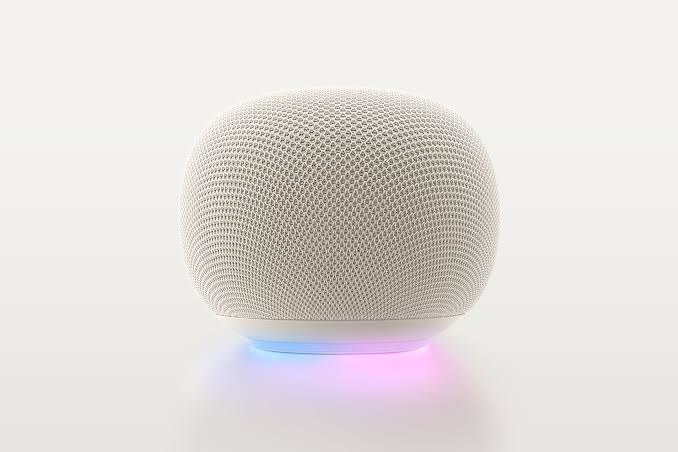
Google killed the Nest Mini and Nest Audio yesterday and replaced them with a single new speaker. The new Google Home speaker costs $100 and was designed from the ground up with Gemini AI interactions in mind, making it a more sophisticated device than the ageing Nest line.
The Nest Mini and Nest Audio launched more than five years ago. The Mini was a $35 entry-level puck, while the Audio was a $100 mid-range speaker that never quite escaped its predecessor's shadow. Either way, both are now done. "As part of this evolution, we have ended production of the Google Nest Mini and Google Nest Audio."
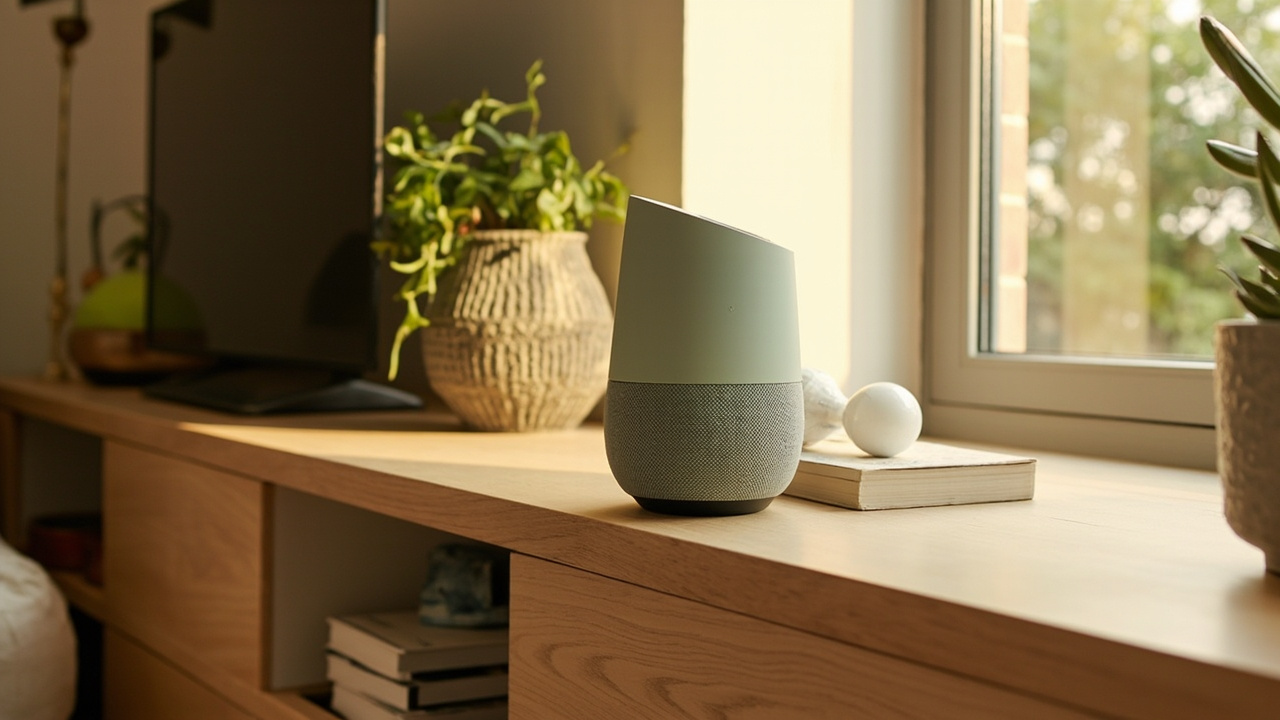
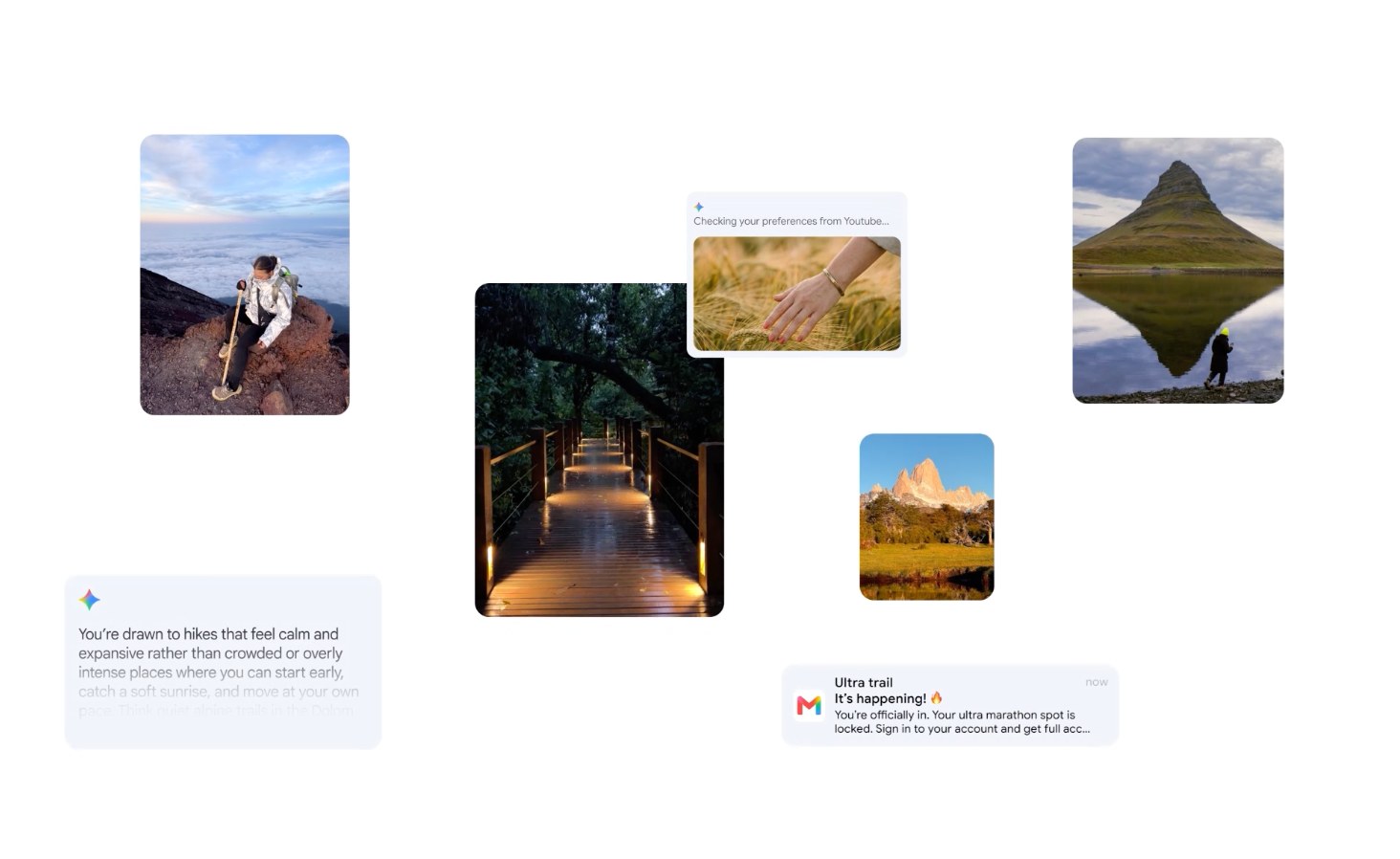

Google framed the move as part of a broader evolution. "As we continue to build the future of the smart home, we are refining our portfolio of Google Home and Nest devices" The company is clearly steering its smart home portfolio toward a single point of focus, and that point is Gemini. The old Nest speakers ran Google Assistant, which still works fine, but Gemini represents a large-language-model layer that Google wants on every surface in your home. A speaker built for that from the chip up beats a retrofitted one.
WHAT EXISTING USERS SHOULD EXPECT
Google promised that existing Nest Mini and Nest Audio devices will keep working. "Existing Nest Mini and Nest Audio devices will continue to be fully supported with regular software updates, security patches and customer care" That means regular software updates, security patches, and customer care. The hardware is not being bricked. If you already own one, nothing changes today except the knowledge that you are not getting a sequel.
The support commitment matters because it gives owners time. Nobody needs to rush out and buy the new speaker right away. But the writing is on the wall: the Nest lineup is legacy now, and the new hardware is where Google will invest its engineering attention. Features that rely on server-side upgrades will likely land on the new speaker first, then maybe trickle down if the old hardware can handle them.
THE PRICING
The new Google Home speaker costs $100, exactly what the Nest Audio cost at launch. The cheapest Nest option was the Mini at $35, so Google is effectively removing its entry-level tier. If you want a Google smart speaker now, you pay $100. That is a deliberate narrowing of the product range, not a casual SKU cleanup.
It is also a bet that the Gemini experience is compelling enough to justify the higher floor. A $35 Mini could hook casual buyers. A $100 speaker demands more commitment. Google is gambling that the AI-powered interactions will make that feel like a good deal rather than a barrier.
THE TIMING IS REVEALING
The Nest Mini and Nest Audio arrived in 2019, back when Google Assistant was the voice layer and smart speakers were mostly about timers, music, and weather queries. The AI landscape looks completely different now. Gemini can have conversations, generate text, and tie into Google's broader ecosystem in ways the old speakers were never built for.
It seems logical for Google to prioritise the newer generation, given the strategy of putting Gemini everywhere it possibly can. The alternative would have been to keep making two or three speaker models that all ran different levels of assistant sophistication. That complexity is not worth maintaining when the goal is a unified AI surface.
WHAT'S MISSING
The new speaker fills the mid-range slot, but there is no replacement for the cheap puck. Google used to have a $35 door-opener. Now the barrier to entry is $100. For someone who just wants a voice assistant for their nightstand, that is a real jump. The Home Mini (which launched in 2017 at a different price point) and the Nest Mini were impulse buys. The new speaker is a considered purchase.
THE SMART HOME IS GETTING SMARTER
Google will push the new speaker hard through its store and retail partners. The old Nest devices will fade from inventory over the coming months. Software support will continue, but the hardware will not be restocked.
For the enthusiast, this is a clean break. The Nest era is over. The Gemini era has its first dedicated home speaker. Whether that speaker earns its $100 price tag depends on how well Gemini works in the living room. If it nails the conversational AI, the price feels reasonable. If it stumbles, the cheap Nest Mini starts looking like a smarter buy even if you cannot get one new anymore.
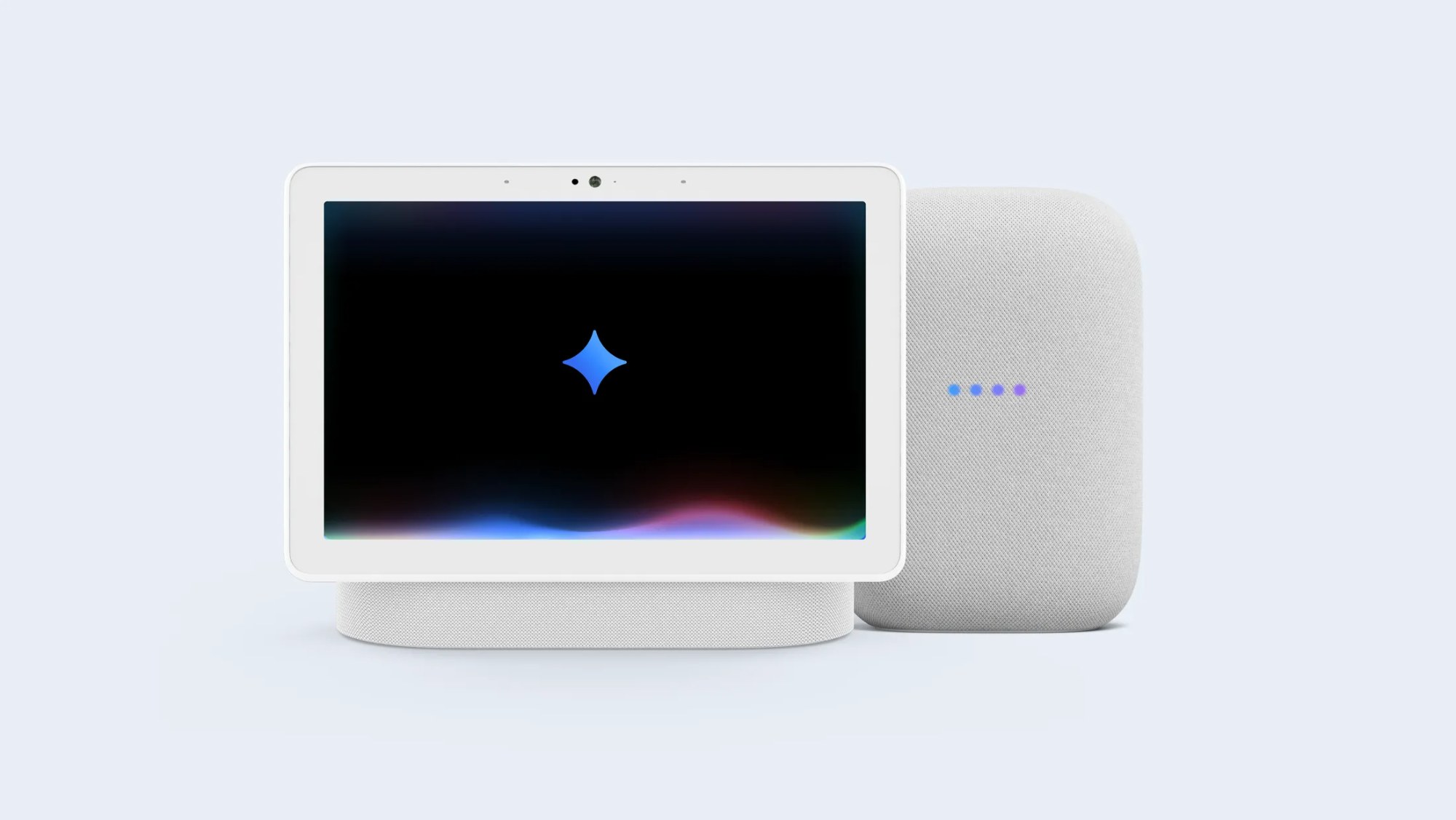

The smart home is getting smarter. It is also getting more expensive. That is the tradeoff Google is asking users to accept.
what did you make of it?
more from consumer tech
consumer tech
GOOGLE ADDS YOUTUBE MUSIC, INSTACART & CANVA TO AI MODE SEARCH
Starting this week, US users can ask AI Mode to make a playlist, fill a grocery cart, or design a flyer without leaving the search…
consumer tech
ONEPLUS DEAD IN THE WEST, OPPO OVERLORDS PULL PLUG
The brand that built its reputation on has settled for leaving its biggest markets. Existing phones still work. New ones won't come.
consumer tech
GOOGLE PIXEL 10 PRO DROPS TO 699, BEST DEAL YET!
A $300 discount on the 128GB model undercuts Prime Day pricing and signals a clear runway to the pixel 11 launch.
consumer tech
APPLE RAISES APPLE ON BUNDLE FOR FAMILY AND PERMIER PLANS
the Family plan jumps $2 to $27.95 a month and the Premier to $39.95; Apple hasn’t explained the bundle increase beyond citing music licensing for…