META PULLS MUSE AFTER 3 DAYS, PRIVACY DEBACLE
The feature let users generate AI images of any public Instagram account by @-mentioning them, without consent, and was on by default.
by editor4 min readcomments soon
Meta pulled a controversial feature from its new Muse Image model three days after its introduction, following widespread criticism over how it handled consent. The feature let users generate AI images of other people by @-mentioning their public Instagram accounts, and it was on by default. Users had to manually opt out through Instagram's settings to prevent their likeness from being used.
The company admitted the design was a mistake. Meta said "this feature missed the mark" and that it had wanted to build "a useful creative tool and to give people control over whether their public content could be referenced in this way". The apology came after a wave of backlash from users, privacy advocates, and regulators who flagged the feature as a fundamental violation of consent in AI-generated content.
WHAT IS MUSE
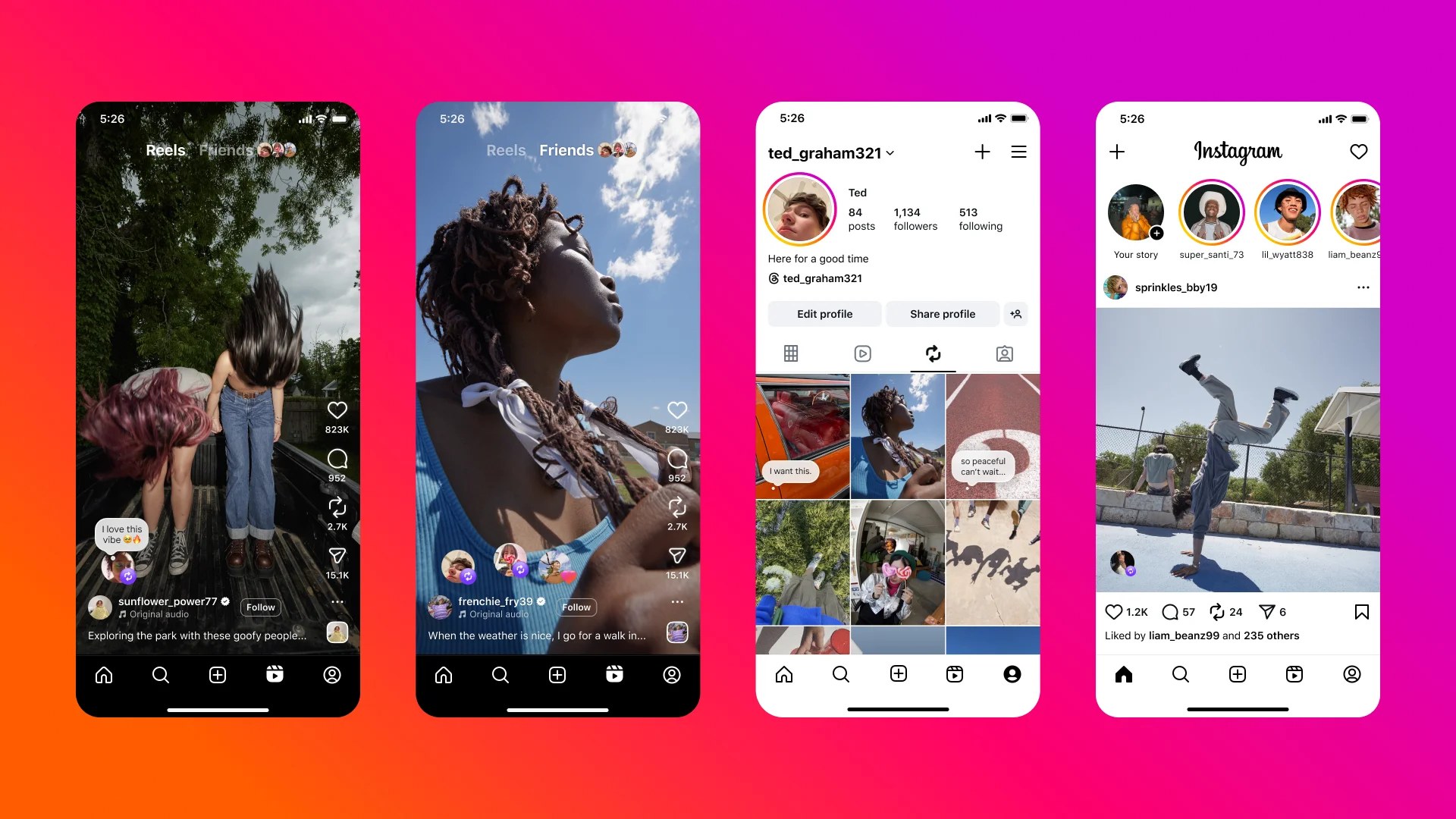
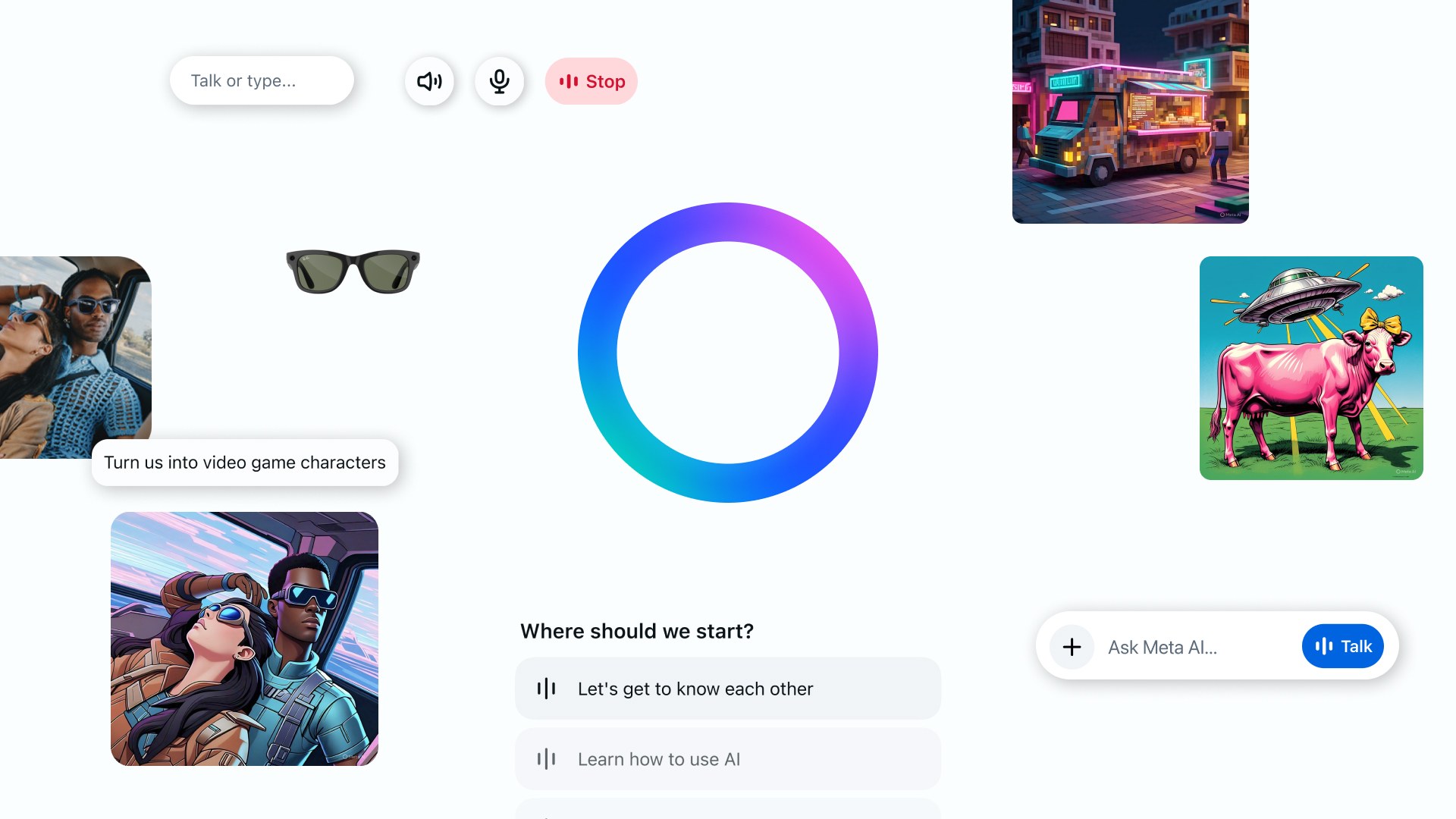
Muse Image, Meta's new AI feature, allows users to create synthetic images from text prompts. The controversial addition was a social layer: by typing an @-mention followed by a public Instagram handle, the model could reference that person’s public photos to generate a new image, effectively putting someone in a scene they never agreed to. The output wasn’t a deepfake in the traditional sense, but it was a synthetic representation derived from real content the person had posted.
Because the feature was on by default, every public Instagram account became fodder for the model unless the owner knew to dig into settings and turn it off. That put the burden of privacy on the person being referenced, not on the person generating the image or on Meta. For a company that has spent years trying to convince regulators it can handle privacy responsibly, the default-on choice was a particularly clumsy misstep.
THE BACKLASH AND BACKTRACK
Criticism arrived almost immediately. Users reported feeling violated by being inserted into strangers’ AI creations. Privacy researchers pointed out that even public Instagram posts don’t imply consent for commercial AI training or generation. The negative reaction forced Meta to pause the feature three days after its launch. Meta said "We missed the mark" and promised to review the design before any potential reintroduction.
The speed of the reversal suggests that internal safeguards either weren’t in place or were bypassed in the rush to ship. A feature this tone-deaf on consent should have been caught in any competent product review. That it made it to launch at all says something about how Meta evaluates the risks of its AI tools.
ALL OF THIS FEELS FAMILIAR
Meta may have borrowed the idea from OpenAI’s now-discontinued Sora app. Sora included a cameo feature that was a viral hit at launch, but interest faded fast. The parallel is instructive. Both companies saw a feature that generated buzz and rushed it out without fully thinking through the consent mechanics.
In Europe, the feature likely wouldn’t have survived at all due to stricter data protection rules. An opt-out model (on by default, user must disable) does not meet that standard for most uses. The fact that the feature launched globally without an EU-specific block indicates Meta either banked on regulatory inertia or expected to handle complaints after the fact. The three-day pull suggests they underestimated the immediate reaction.
IS META'S AI STRATEGY BROKEN?
Meta has been racing to embed generative AI into its products. The Muse Image model is part of that push, and the company has repeatedly emphasised the creative potential of letting people remix public content. But each new feature tests the line between creative expression and a privacy violation.
The @-mention feature crossed that line so clearly that even Meta’s own internal post-mortem called it a miss. The question now is whether Meta will take real lessons from this, or wait for the heat to die down and try again with a slightly different opt-in mechanism. The company said it wants to give people control over how their public content is referenced. But actions speak louder than press releases, and a feature that was enabled by default said otherwise.

For now, users who never opted out are protected by a very quick reversal. But the underlying model still exists, and so does Meta’s appetite for pushing boundaries. The three-day lifespan of this feature will be remembered as one of the faster backtracks in recent tech history, and as a reminder that the consent questions around AI-generated content have not been solved, just postponed.
what did you make of it?
more from ai
ai
TSMC ADDS $100 BILLION TO ARIZONA CHIP BET, TOTAL HITS $265 BILLION
The additional investment will build at least four more 2nm fabs and advanced packaging, bringing the company's total US commitment to $265 billion.
ai
META WILL ALERT PARENTS IF TEENS DISCUSS SUICIDE WITH META AI
The opt-in feature flags self-harm references in chatbot conversations, with human review before any notification is sent.
ai
ROBLOX'S "BUILD" LETS ANYONE MAKE A GAME FROM THEIR PHONE WITH AI
The new toolset, launching July 28, turns text prompts into playable experiences and puts game creation on iPhone and iPad.
ai
ZOOX REALLS ENTURE ROBOTAXI FLEET OVER SMOKE DETECTION FAILURE
A robotaxi drove into an active fire scene obscured by smoke. NHTSA called emergency scenes not edge cases.