SAM ALTMAN OFFERS 5% OF OPENAI TO US GOVT
The proposal would apply to Google, Anthropic, xAI, and Meta too, and follows an executive order requiring early model review.
by editor4 min readcomments soon
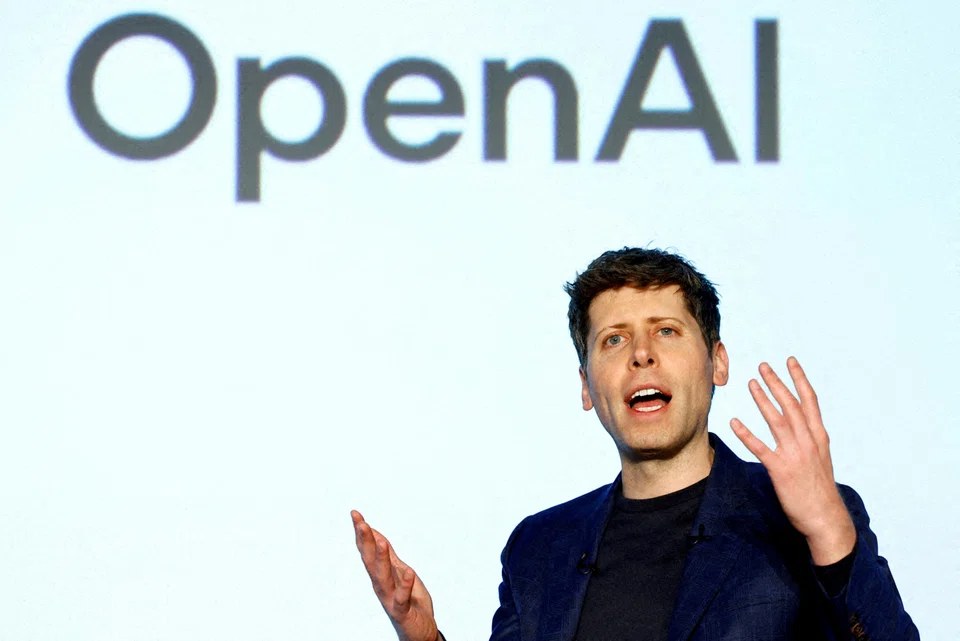
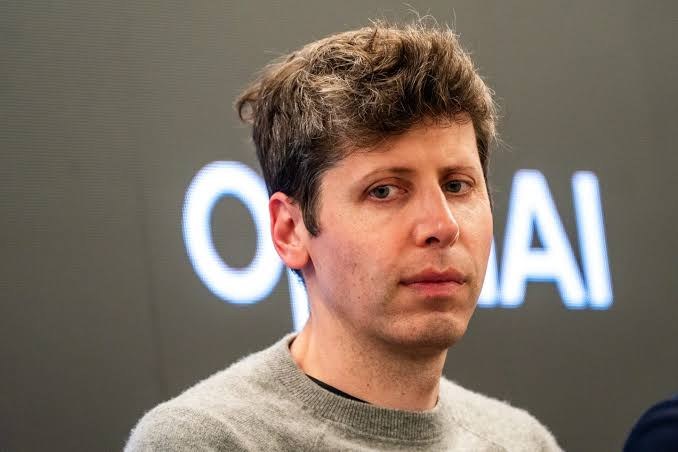
Sam Altman is in talks with the US government about giving American taxpayers a direct ownership stake in OpenAI. The proposal on the table is five per cent of the company. Altman has reportedly suggested that other top AI builders, including Google, Anthropic, xAI, and Meta, would have to grant the government a similar stake. The discussions are still very early, and any deal would require approval from Congress.
What makes this worth paying attention to is not the number itself. Five per cent of a private company that has not yet settled on a for-profit structure is a symbolic stake. But it signals something real about the trajectory of the relationship between AI companies and the federal government, and it fits a broader pattern the Trump administration has already established.
THE PATTERN THAT CAME BEFORE
The Intel precedent is the cleanest parallel. President Trump used to call for Intel CEO Lip-Bu Tan to resign until his administration took a 10 per cent stake in the company. Trump has since boasted that "America's stake [in Intel] is now over 60 billion dollars". That is up from $8.9 billion in 2025. The stake grew roughly sevenfold, which is the kind of return that tends to get the attention of people who set policy.
The Intel case makes clear that the administration views direct equity as a legitimate tool for asserting influence over strategically important companies. AI is at least as strategic as chip manufacturing, and the regulatory pressure on the industry has been building all year.
THE PRESSURE CAMPAIGN
In June, Trump signed an executive order asking AI companies to share powerful models for voluntary government review 30 days before public release. That same administration ordered Anthropic to block access to its Mythos and Fable cybersecurity models, though Anthropic was recently granted permission to restore user access. OpenAI itself had to roll out a limited preview of its GPT-5.6 model to government-approved partners at the administration's request.
None of these actions required an equity stake to execute. The executive branch already has enough leverage through export controls, procurement rules, and national security authorities to shape what AI companies do. What equity adds is permanence and upside. A stake gives the government a seat at the table that survives changes in administration, and it turns the government into a shareholder that benefits when the company succeeds.
THE BROADER REGULATORY MOOD
Politicians, including Trump's allies, and organisations like the UN are calling for more stringent AI policies. The direction of travel is clear across the political spectrum. The question is not whether AI will be regulated, but what form that regulation takes. Direct equity is one answer. Others include mandatory safety testing, licensing regimes, and liability frameworks that hold companies accountable for downstream harms.
The five per cent proposal is notable partly because Altman did not stop with the US government. He and other OpenAI executives also floated the idea of giving five per cent equity to sovereign funds like the Alaska Permanent Fund. That suggests a broader strategy: treat government as an investor rather than an adversary, and normalise the idea of public ownership stakes in frontier AI companies across multiple jurisdictions.
WHAT THE CRITICS WILL SAY
The obvious objection is that a five per cent stake does not give the government meaningful control over OpenAI. It does not get the government a board seat unless the voting structure grants it one, and it does not override the existing investors who hold larger positions. The equity would be more symbolic than operational, a political gesture rather than a governance structure.
The counterargument is that the gesture itself changes the terms of the relationship. Once the government is a shareholder, it has a direct financial interest in the company's growth and a legal basis for information requests that would otherwise face resistance. Equity creates alignment of incentives in a way that regulatory oversight alone does not.
PROBABLY WON'T HAPPEN
The talks are early enough that the proposal could collapse before it reaches a formal vote. Congressional approval would be required for any deal, and the legislative calendar is crowded. The Intel stake was executed through different mechanisms, so there is not a clean legislative template to reuse.
But the fact that the conversation is happening at all tells you something about how the Trump administration thinks about strategic industries. If the AI companies resist, the administration has other tools, as Anthropic and OpenAI have already learned. If they accept, the US government becomes a direct participant in the most important technology race of the decade. Either way, the relationship has changed.
what did you make of it?
more from ai
ai
TSMC ADDS $100 BILLION TO ARIZONA CHIP BET, TOTAL HITS $265 BILLION
The additional investment will build at least four more 2nm fabs and advanced packaging, bringing the company's total US commitment to $265 billion.
ai
META WILL ALERT PARENTS IF TEENS DISCUSS SUICIDE WITH META AI
The opt-in feature flags self-harm references in chatbot conversations, with human review before any notification is sent.
ai
ROBLOX'S "BUILD" LETS ANYONE MAKE A GAME FROM THEIR PHONE WITH AI
The new toolset, launching July 28, turns text prompts into playable experiences and puts game creation on iPhone and iPad.
ai
ZOOX REALLS ENTURE ROBOTAXI FLEET OVER SMOKE DETECTION FAILURE
A robotaxi drove into an active fire scene obscured by smoke. NHTSA called emergency scenes not edge cases.